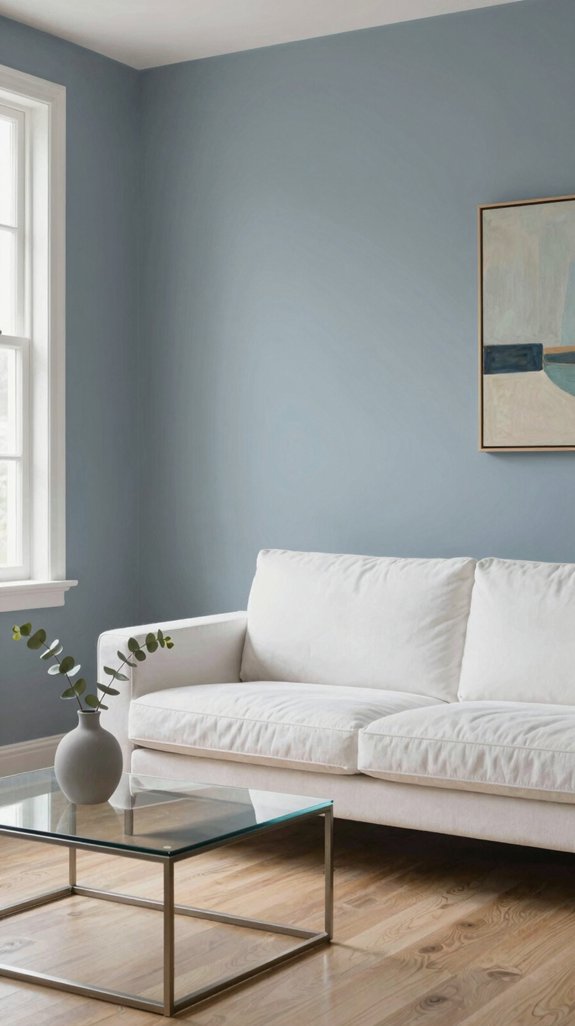
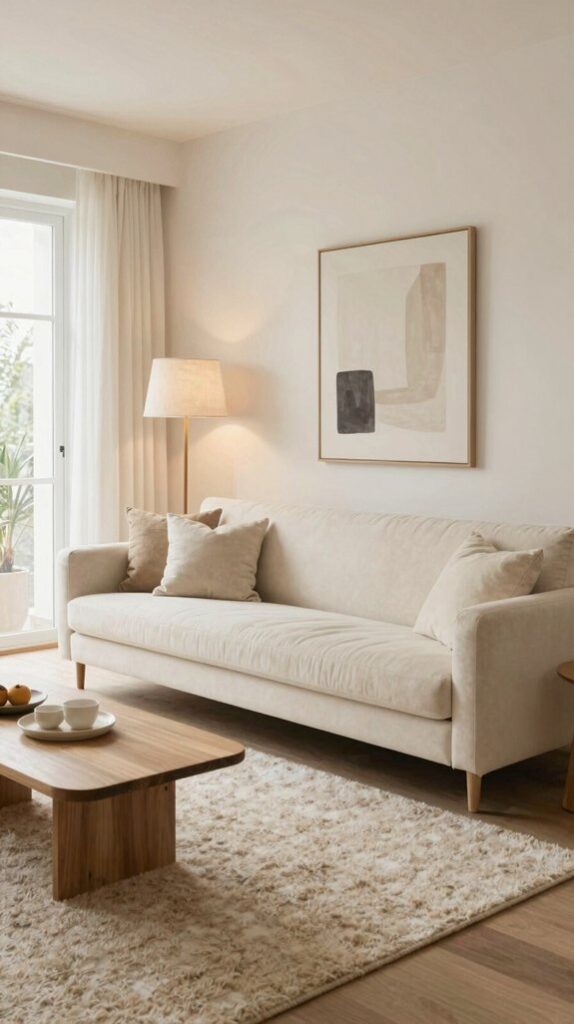

Pick a soft ivory‑white cream for walls and ceilings to amplify natural light, then balance it with a warm, golden‑undertoned beige on trim, accent walls, or shelving. Test swatches at sunrise, noon, and dusk to guarantee the hues shift gracefully. Pair the neutrals with matte textures—linen, brushed metal, or low‑pile woven rugs—to keep glare low and depth high. Add a muted jewel accent like sage or rust for personality, and you’ll instantly create a luminous, harmonious interior that feels both modern and inviting.
Swift Summary
- Use a subtle ivory‑white cream on large surfaces to amplify natural light, then add a warm beige with golden undertones for depth.
- Pair cream walls with beige trim, shelving, or accent walls, testing swatches at different times of day for harmonious hue shifts.
- Incorporate matte finishes on both colors to soften glare while textured‑diffusing minerals enhance luminosity.
- Balance the palette with muted jewel‑tone accents (sage, teal, rust) in small accessories for personality without overpowering.
- Mix complementary textures—linen, silk, brushed metal, woven rugs—to reinforce the cream‑beige scheme and maintain a clean, functional aesthetic.

All Match Paint: Our All Match Paint kit is Paint+Primer in one, no sanding, no priming, no top coat needed
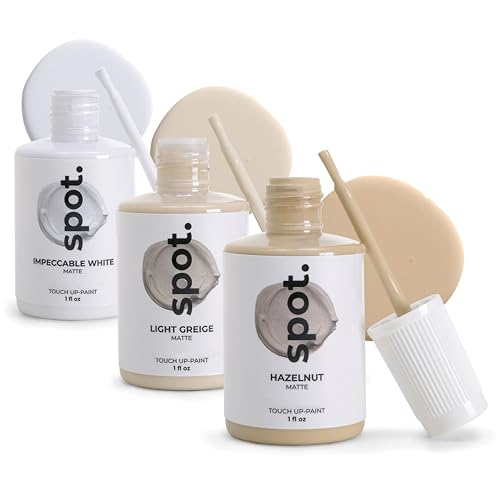
Includes Three Shades to Match 90% of Surfaces: We offer two color shades of Matte Beige and one Matte White to instantly achieve the perfect color match. Eliminating the need for color charts, returns, and waiting for the right color to arrive. Instead, match to one of the two beige colors or mix colors and match to your desired shade.

Instant Color Matching (3-Color Shades Kit): This Sundaze 3-pack touch-up paint kit includes 1 fluid ounce bottles of Matte White (Flat Finish) paint in color shades: Pure White, Ivory White, and Winter White. Premium paint formulated for use alone or mixed to achieve a perfect, seamless color match on almost any surface. Instantly eliminate color-chart guesswork and perfectly repair scratches, chips, and stains.
Choose the Right Cream Tone for Your Space
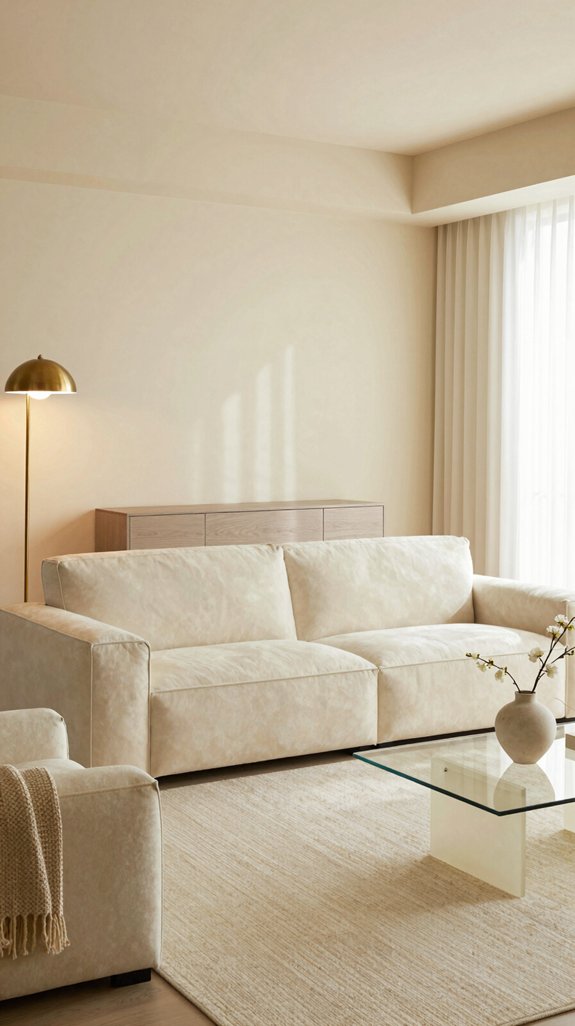
When you step into a room, the right cream tone can instantly set a mood, balancing warmth and openness without overwhelming the space. You’ll notice how a subtle ivory‑white whisper amplifies natural light, while a richer almond hue grounds modern furnishings. Choose a shade that mirrors the material palette—marble, wood, or metal—to create seamless continuity. Test swatches at different times of day; the hue should shift gracefully, never dominate. Pair the cream with sleek, innovative textures, like matte concrete or brushed brass, to reinforce a forward‑thinking aesthetic. Consider complementing your cream palette with decorative planters that echo these neutral tones for a cohesive look. This calibrated approach guarantees your interior feels both inviting and avant‑garde.

ALL SEASON PAINT & PRIMER-IN-ONE: Cascadia XL is a 100% Acrylic Latex Paint & Primer-in-One with advanced technology for rain protection and a superior finish

CONVENIENT SIZE - This Apple Barrel Acrylic Paint comes in a versatile 2 oz size that is great for basecoating, stenciling, and so much more

This product is Non-toxic
Select a Complementary Beige Shade That Enhances Light
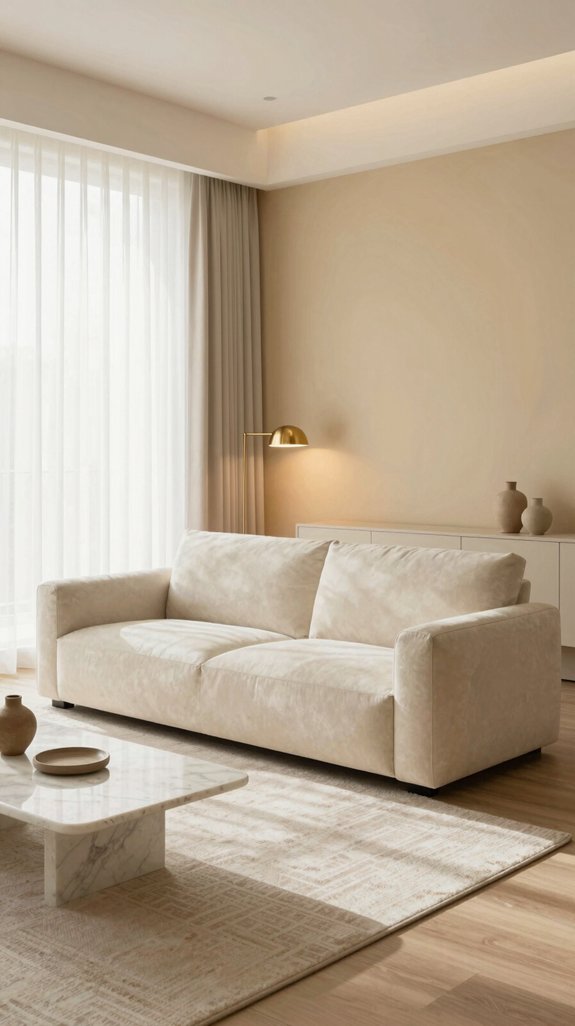
If you let a soft, warm beige catch the daylight, it will amplify the room’s brightness while keeping the atmosphere cozy. Choose a shade with subtle golden undertones—think “sun‑kissed sand” or “warm oat”—that reflects natural light without overwhelming it. Pair this hue with matte finishes to soften glare, and let strategically placed mirrors bounce the glow across surfaces. Opt for pigments enriched with light‑diffusing minerals; they enhance luminescence while preserving depth. By calibrating saturation and value, you create a luminous backdrop that highlights architectural details, fostering a serene, forward‑thinking aesthetic that feels both airy and grounded.

WELL MADE: Sold as 2 panels, each panel is W52" x L84", and W104" x L84" in total. Each curtain panel has 2-in-1 top style design: rod pocket and back tab. With 3-inch inner diameter fit most standard rod. Curtains also can be hung with clip rings. 3 ways meet your various needs.
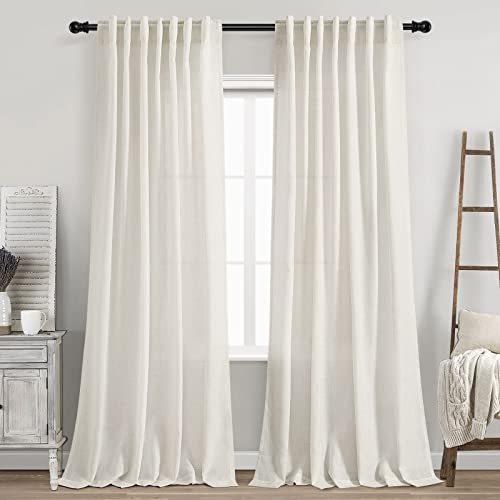
READY MADE: 2 Linen Curtain Panels per package.Each panel measures 52 inches wide by 84 inches long. Top design of Back tab & loop pocket provide 3 hanging options. <1> hanging from the back patch to create an elegant pleated look, <2> from the 3 inch rod pocket for a classic look <3> Hanging with clip rings for easy, slide open and closed (clip rings are not included)

100% Blackout Curtains: Our Blackout Curtains ensure a completely dark room, isolate noise and protect privacy. These room darkening curtains can block 100% sunlight.Heavy duty curtains keep heat indoors in winter and discharge heat in summer, thereby reducing cooling and heating costs , While protecting your furniture, floors and artwork from the sun damage
Step‑by‑Step Guide to Pairing Cream and Beige
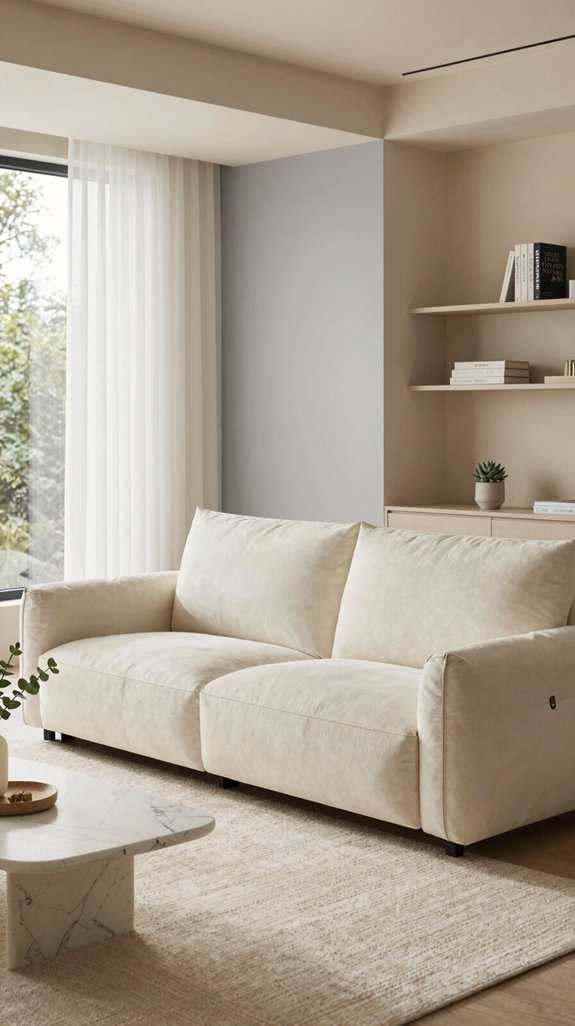
Creating a harmonious blend of cream and beige begins with a clear vision of the space’s mood; you’ll first select a base cream that offers a soft, luminous canvas, then layer a complementary beige that adds depth without overpowering. Start by mapping the room’s focal points—walls, ceiling, large furniture—and apply the cream to the most expansive surfaces. Choose a beige with subtle undertones that echo the cream’s warmth, then introduce it on accent walls, trim, or built‑in shelving. Test swatches under varied lighting, adjust saturation until the tones converse fluidly, and finalize with coordinated accessories that reinforce the balanced, innovative palette. Unlike sky-blue walls that create vibrant airy spaces, cream and beige combinations offer a more subtle, understated approach to achieving relaxation through neutral warmth.

Stylishly Display Your Memories - With our meticulously crafted 5x7 metal frame made from premium aluminum alloy, you can showcase your cherished moments in a stunning and elegant way. It's lightweight yet sturdy, with a superior quality finish and a perfectly sized white mat opening that is ideal for 4x6 pictures with the mat and 5x7 pictures without it

Contemporary silver metal frame that will compliment any decor

Mix Cream & Beige Textures: Fabrics, Rugs, Wall Finishes
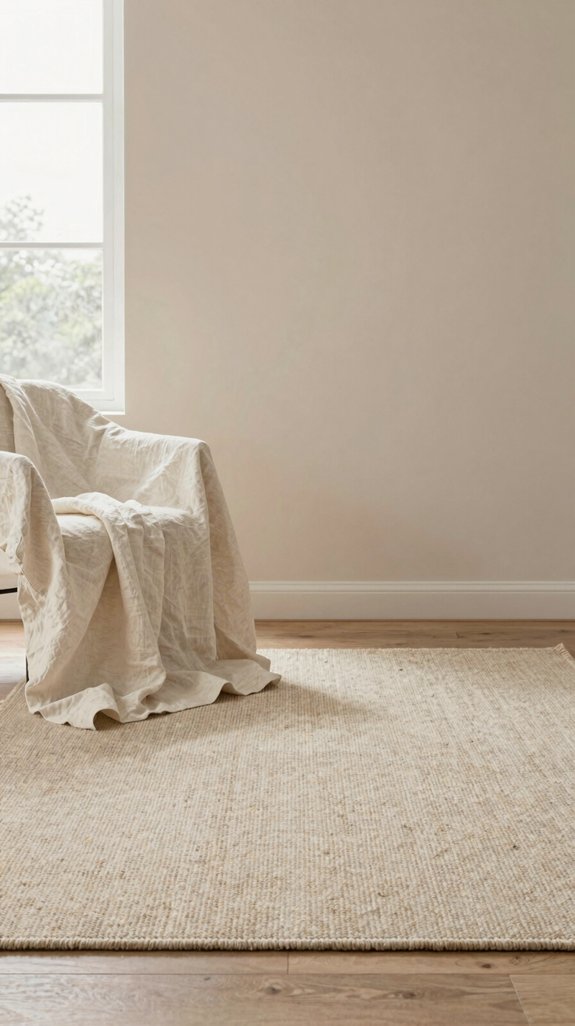
Because texture speaks louder than color alone, you’ll want to layer creamy fabrics, plush rugs, and subtle wall finishes to give depth to the beige‑cream palette. Choose a linen sofa in soft ivory, then drape a silk throw in muted almond for tactile contrast. Pair a low‑pile, hand‑woven rug in sand‑tone fibers with a polished concrete wall treated in a matte, pastel wash. Introduce a brushed metal accent panel that reflects light while maintaining the neutral tone. Mix woven walliders, velvet cushions, and a lightly textured plaster finish to create a harmonious, innovative space where every surface invites touch and visual intrigue. To keep this serene environment functional and visually clean, consider implementing smart cable management solutions that hide unsightly cords behind your furniture and wall finishes.

【Elegant & Beautiful】This serene sage green wooden tray, with delicate decorative beaded edge, brings spring-like freshness and natural simplicity to your space. The distressed finish seamlessly complements vintage farmhouse decoration style

Nice Combination: there are 3 pieces of thankful grateful blessed wall signs in 3 different styles, 1 piece of each style, and the adequate amount and various styles can meet your daily use and replacement demands

Transform Your Bathroom in a Snap: KIBAGA’s 13.5x5.7x4.0” toilet tank basket is your shortcut to a more organized and stylish bathroom. Perfect for stashing toilet paper, hand towels, bathroom accessories, and more – it’s the perfect blend of function and flair
Add Accent Colors Without Overpowering the Neutral Base
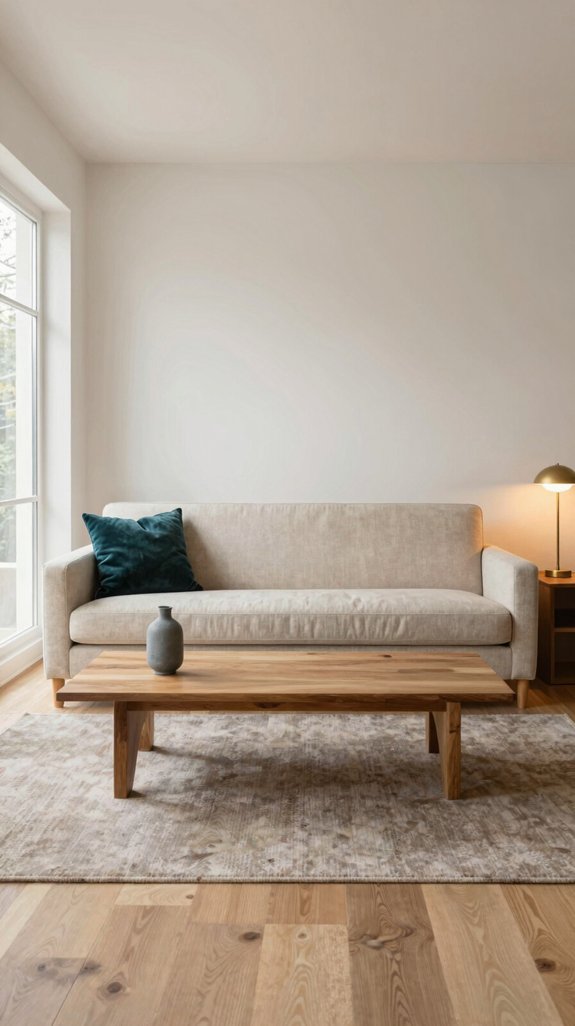
While the creamy‑beige foundation sets a calm, sophisticated tone, a well‑chosen accent color can inject personality without stealing the spotlight. Choose muted jewel tones—sage, muted teal, or soft rust—to complement the neutral canvas while preserving visual hierarchy. Apply these hues sparingly: a single throw pillow, a brushed‑metal lamp shade, or a subtle artwork frame. Opt for matte finishes that absorb light, preventing glare that could dominate the space. Balance saturation by pairing deep accents with light, airy textiles, ensuring the room feels cohesive yet dynamic. For those seeking more dramatic impact, deep purple paints can create sophisticated focal points while maintaining overall harmony. This restrained approach lets innovation whisper, not shout, within your harmonious interior.

SPRAY PAINT AND PRIMER – Krylon COLORmaxx Spray Paint and Primer delivers premium coverage and superior color with adhesion and durability. This primer and spray paint can be used on wood, metal, wicker, most plastics, glass, plaster/ceramic and more.
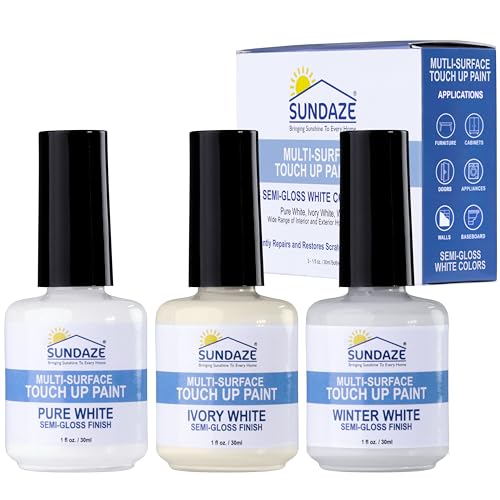
Instant Color Matching (3-Color Shades Kit): This Sundaze 3-pack touch-up paint kit includes 1 fluid ounce bottles of Semi-Gloss White paint in color shades: Pure White, Ivory White, and Winter White. Premium paint formulated for use alone or mixed to achieve a perfect, seamless color match on almost any surface. Instantly eliminate color-chart guesswork and perfectly repair scratches, chips, and stains.

Apply to metal, wood, plaster, masonry and unglazed ceramic
Apply Cream & Beige to Minimalist, Rustic, or Modern Styles
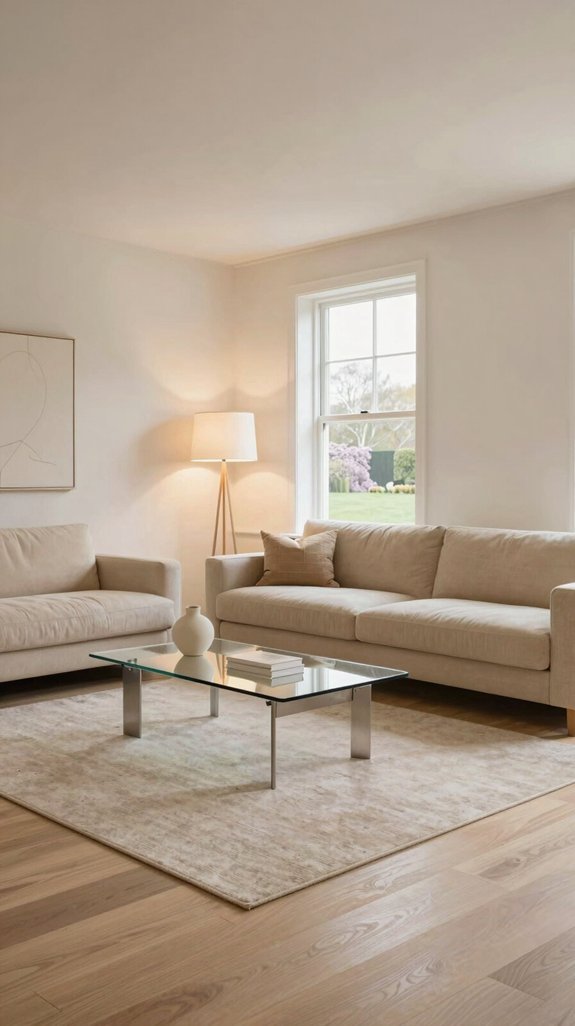
A few carefully chosen pieces let you weave cream and beige into minimalist, rustic, or modern interiors without overwhelming the design. In minimalist spaces, select sleek low‑profile furniture in muted beige, pair it with crisp cream walls, and accent with geometric metal fixtures to maintain clean lines. For rustic charm, choose reclaimed wood tables finished in creamy wash, layer with beige linen cushions, and let natural light highlight the texture. Modern rooms benefit from bold cream‑colored sectional sofas, brushed‑steel lighting, and beige concrete flooring that grounds the space. Each style embraces the soft palette while preserving its distinct character, creating harmonious, innovative environments. Versatile beige wall paints offer the flexibility to transition seamlessly between these design approaches, ensuring your color choice works across multiple room styles and purposes.

AUTOMOTIVE SPRAY PAINT – Dupli-Color Perfect Match Automotive Spray Paint is a high-quality, fast-drying, acrylic lacquer vehicle paint that is specially formulated to match the exact color of the original factory-applied coating
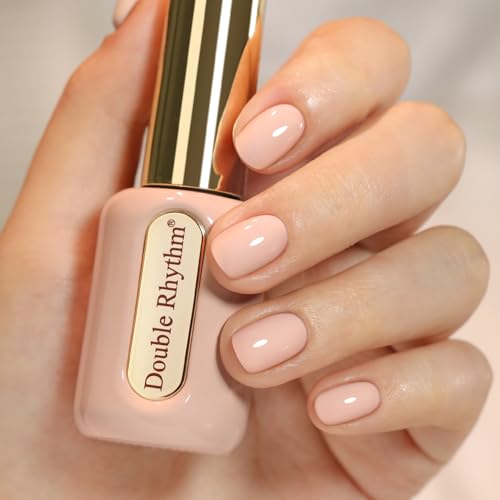
Same Color Gel with Same Color Bottle: 1 pc 15ml 0.5OZ gel polish with round bottle and gold handle, different layers with different effects,need to be cured under UV or LED Lamp for 60-124s. Must apply with Base Gel and Top Coat. Please shake the bottle or warm it with hot water before use, to acheive a better effect.

Repair and Restore in Minutes: Restore walls, furniture, trim, and more with our matte finish touch-up paint—designed to blend effortlessly into a wide range of flat and matte surfaces. Ideal for both interior and exterior use.
Avoid Common Mistakes When Working With Cream & Beige
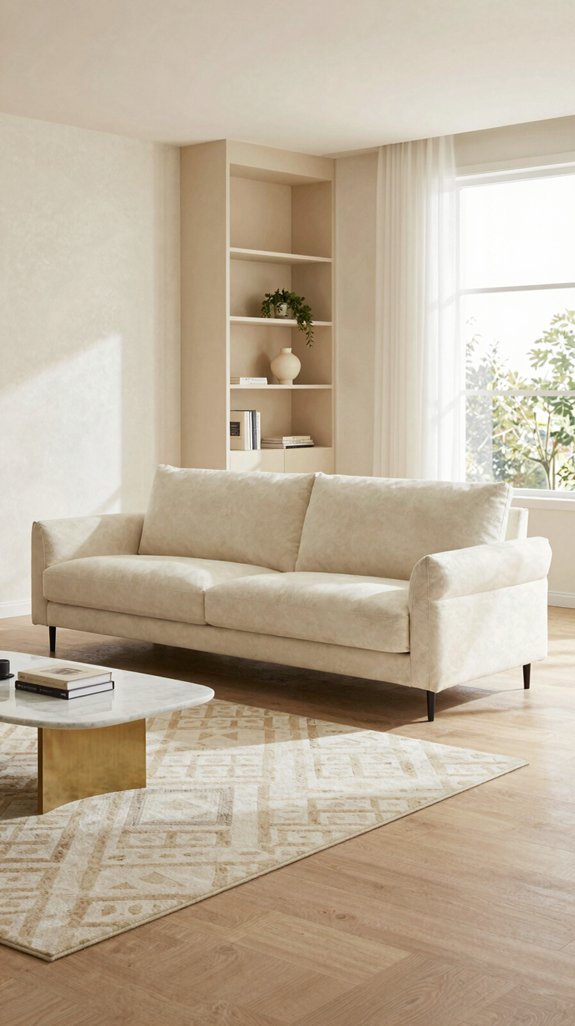
After exploring how to weave cream and beige into minimalist, rustic, or modern interiors, it’s easy to stumble into common pitfalls that dull their subtle elegance. You might overload a room with too many neutral shades, erasing contrast essential for visual interest. Avoid pairing cream with overly warm yellows; the hue clash can mute sophistication. Don’t neglect texture—flat fabrics flatten depth, while varied finishes restore richness. Resist the urge to match every piece exactly; slight variance in tone creates dynamic harmony. Finally, balance lighting: harsh fluorescents bleach nuance, whereas warm, layered illumination lets cream and beige breathe, preserving their refined allure. When selecting paint finishes for cream and beige walls, choose non-toxic interior paints to ensure your carefully curated color scheme doesn’t compromise your home’s air quality.
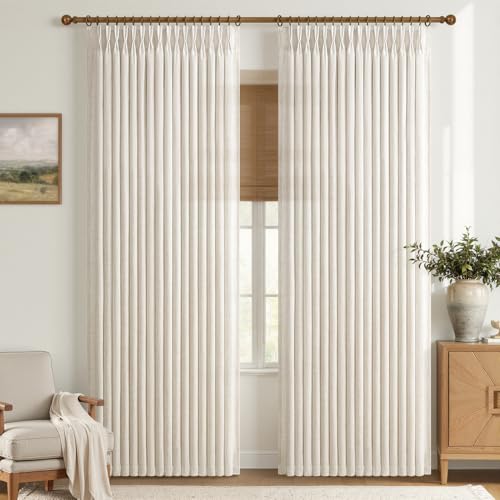
Memory Shape Pinch Pleated Design: Each 50 inch wide curtain panel is designed with 8 pinch pleats, here with 248°F memory shape trained technology ensure every pleated stays perennially sharp, effortlessly beautiful and neatly draped that elevates every window in the home.

Ready Made: The package includes 2 panels of thick linen semi sheer curtains, and each panel 42"W (84"W for pair), 3 hanging options to meet your needs: rod pocket, back tab, or hanging ring (clips or hooks not included).

WELL MADE: Sold as 2 panels, each panel is W52" x L90", and W104" x L90" in total. Each curtain panel has 2-in-1 top style design: rod pocket and back tab. With 3-inch inner diameter fit most standard rod. Curtains also can be hung with clip rings. 3 ways meet your various needs.
Easy DIY Projects With Cream & Beige to Refresh Your Interiors
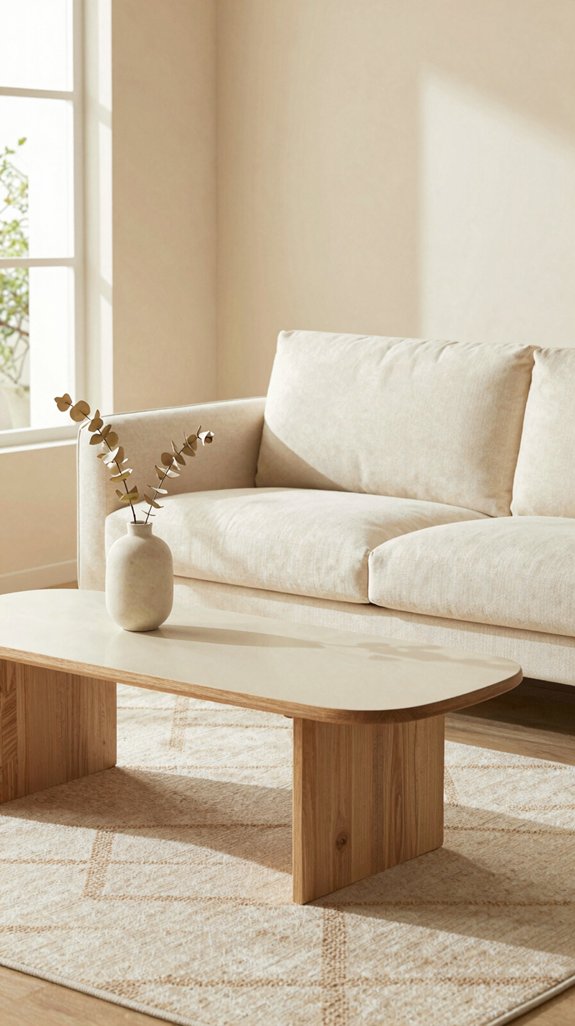
Transforming a space with cream and beige doesn’t require a full remodel; a few thoughtfully chosen DIY projects can instantly revive any room. Start with a silk‑finished canvas rug: dip plain cotton in a muted cream dye, then hand‑paint subtle beige marbling for depth. Next, craft floating shelves using reclaimed pine, staining them a warm beige and adding a translucent cream glaze for a luminous finish. Update lamp shades by wrapping them in linen fabric dyed a soft cream, then stitch a thin beige border for contrast. Finally, assemble a gallery wall of minimalist frames painted in alternating cream and beige, filling them with abstract line art that echoes the palette’s serene rhythm. These warm, traditional interiors serve as the perfect backdrop for displaying personal artwork and treasured collections.

DESIGNER FRAME: Heavyweight cast metal picture frame with rope design.

DESIGNER FRAME: Heavyweight cast metal picture frame with rope design.
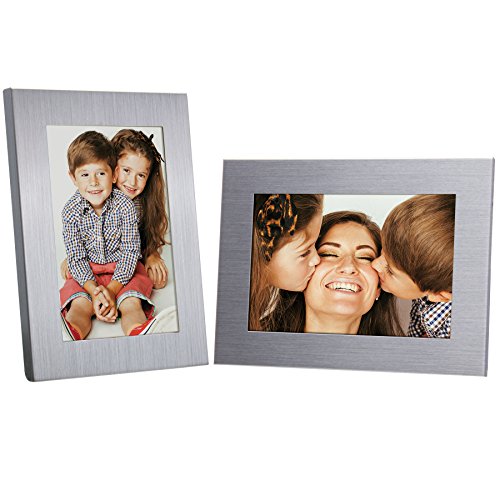
Silver picture frames have a brushed silver finish, and come wrapped in tissue paper packaged in a gift box
Frequently Asked Questions

✅【Great Value Plastic Bathroom Accessories】Our green bathroom accessories set makes the bathroom in order and adds a boho, modern farmhouse element to match your bathroom perfectly. The sage green bathroom decor includes 2 pack bathroom soap dispensers a toothbrush holder set, a tip holder, and a cotton ball holder with bamboo lids, the classic elegant green design is the perfect accent for your home-style remodels of your main room, making your life simple.

Introduce a sense of calm and sophistication to your space with our Orbit Glass Knot Decor Ball. Our Orbit Balls subtly enhance any surface to make a statement through its simplicity as a glass art decor that shines with a delicate brilliance under the soft light of day. Measures 3x3" but may vary slightly due to its handmade nature

Luxurious Boho Texture: Crafted from super-soft, premium corduroy, these decorative throw pillow covers are a must-have for boho decor and bedroom decor, adding instant character with an elegant stripe pattern.
Can Cream and Beige Cause Allergies in Sensitive Occupants?
Yes, they can trigger allergies if dust, mold, or pet dander settle on the soft surfaces; you’ll notice sneezing, itchy eyes, or congestion, especially when ventilation’s poor or humidity spikes.
Do Cream and Beige Paint Affect Indoor Air Quality?
You’ll find cream and beige paints generally won’t compromise indoor air quality, unless they contain high‑VOC solvents; choose low‑VOC, water‑based formulations for a breath‑fresh, innovative living space.
How Do Pets React to Cream and Beige Interiors?
You’ll notice pets feel soothed by cream and beige tones; they’re calmer, less anxious, and more likely to settle, because the muted palette mimics natural, comforting environments that reduce visual overstimulation.
Are There Eco‑Friendly Cream and Beige Paint Options?
Like a sunrise on canvas, you can choose low‑VOC, plant‑based creams and beiges that meet LEED standards, delivering vibrant, sustainable hues while reducing chemicals and carbon footprints in your space.
Can Cream and Beige Be Used in High‑Traffic Commercial Spaces?
Yes, you can use cream and beige in high‑traffic commercial spaces; choose durable, low‑VOC, stain‑resistant finishes, pair them with sleek accents, and they’ll maintain sophisticated, timeless appeal while with heavy footfall.