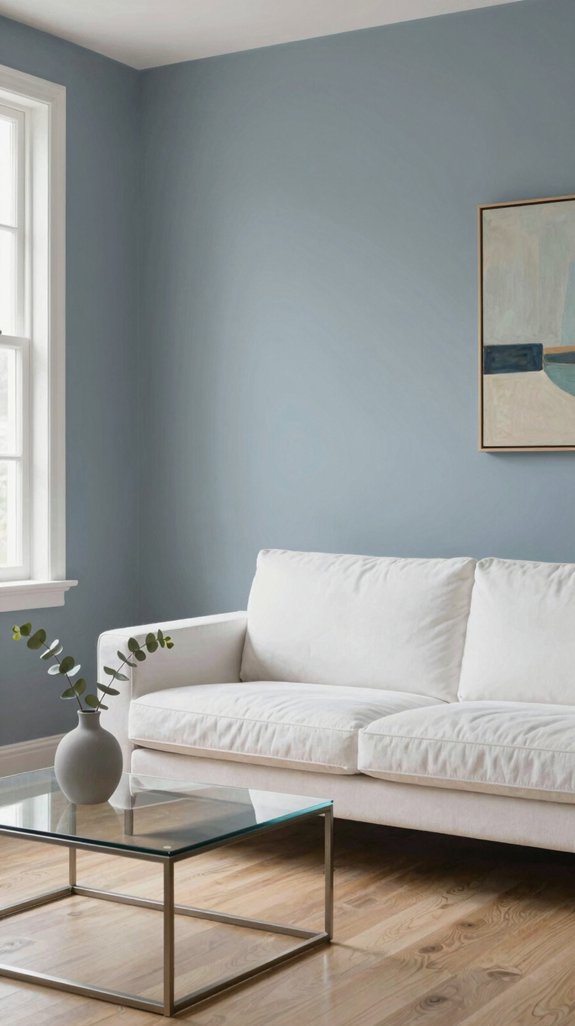


I’ll tell you how to make walnut’s deep caramel grain sing by pairing it with warm terracotta, muted olive, or dusty sage for an earthy vibe, while matte mustard or wine‑red accents add luxe contrast. Cool blues can dull its richness, so stick to warm undertones like warm greys, creamy ivory, or sand‑tone neutrals. Think brushed brass hardware and olive‑green velvet for texture, and you’ll keep the wood’s natural elegance intact—continue and you’ll discover the full palette and styling tricks.
Why Walnut’s Palette Matters for Your Color Choices

Because walnut’s deep, warm tones set a sophisticated backdrop, I always start by considering its natural palette before picking any other colors. I notice how the chocolate‑rich grain whispers of amber, mahogany, and muted teal, inviting hues that echo its elegance. Pairing walnut with crisp ivory or soft sage amplifies its richness, while a daring mustard accent injects modern energy. I balance contrast and harmony, ensuring each shade respects the wood’s depth without overpowering it. Much like how design and movement work together in creating functional beauty, color coordination requires both aesthetic vision and practical consideration. By aligning trends—minimalist neutrals, bold jewel tones—I craft interiors that feel both timeless and forward‑thinking, letting walnut’s palette dictate a confident, innovative aesthetic.

Large Decorative Orbs & Balls Bag

Vintage Dark Brown Aesthetic: This 7-inch vase boasts a deep, rich brown finish that mimics antique pottery. It is the ultimate accessory for rustic farmhouse and dark academia decor themes

Natural OAK Wood Frame in Walnut Color: Crafted from authentic natural OAK wood with a refined walnut finish, adding warmth and rustic charm to your space.
Choose Earthy Tones for Walnut Wood

Ever wonder how a muted terracotta or soft olive can echo walnut’s rich grain without stealing the spotlight? I pair walnut cabinets with warm ochre walls, letting the wood’s deep brown dance against subtle amber. I choose a dusty sage accent rug, its muted green whispering through the grain’s natural sheen. I layer a matte rusty terracotta throw pillow, its earthy depth reinforcing walnut’s elegance while preserving visual breathing room. I integrate reclaimed leather seating in a soft caramel tone, creating a cohesive, grounded palette. These earth tones amplify walnut’s timeless appeal, delivering a fresh, sophisticated vibe that feels both innovative and inviting. When selecting wall paints to complement these warm tones, consider using non-toxic interior paints to ensure your color scheme doesn’t compromise the air quality of your home.

No Assembly & 24/7 Customer Support: This swivel chair arrives fully assembled, so you can enjoy its stylish design and functional features right out of the box. If you encounter any issues, please visit our website christopherknighthomes.com or feel free to reach out to us at [email protected]

Authentic Holy Land Wood Each palm worry cross is hand-carved from genuine Bethlehem olive wood, with rich wood grain. Made from smooth olive wood, hand-carved by artisans of the Holy Land.

Wooden Jewelry Box: The jewelry box is made of high-quality black walnut wood, solid brass handles and velvet. Protect high-end jewelry from oxidation and loss of luster. Jewelry storage box with velvet to protect jewelry from scratches and tarnishing.
Pair Walnut Wood With Cool Blues and Teals

When I pair walnut wood with cool blues and teals, the deep, warm grain instantly gains a contemporary edge. I start by selecting a muted teal wall that mirrors the wood’s natural richness while introducing a fresh, aquatic vibe. A sapphire accent chair or cobalt rug adds depth, creating a dialogue between organic texture and crisp color. I sprinkle glassware and matte‑finished metal accents in icy blue, letting light reflect off the walnut’s sheen. This contrast highlights the wood’s grain, while the cool palette keeps the space feeling airy and modern. The result feels both timeless and forward‑thinking, perfect for innovative interiors. Much like how artistic color choices transform modern spaces, these cool blue and teal pairings elevate walnut wood’s natural beauty with contemporary sophistication.

Soft Area Rug: This 6'x9' area rug features chic, faded floral motifs in a vintage color palette.Blending retro, flowers and boho styles, it complements any décor. Made from durable faux wool, it’s luxuriously soft—perfect for barefoot comfort

Vintage Decorative Rug: Distressed Bohemian floral pattern, multiple low-saturation vintage color schemes, fits living rooms, offices, bedrooms and more. Classic patterns are soft, not abrupt, and versatile with wood and leather furniture
Soft Area Rug: This 5'x7' area rug features chic, faded floral motifs in a vintage color palette.Blending retro, flowers and boho styles, it complements any décor. Made from durable faux wool, it’s luxuriously soft—perfect for barefoot comfort
Use Mustard Yellow & Olive Green With Walnut Wood
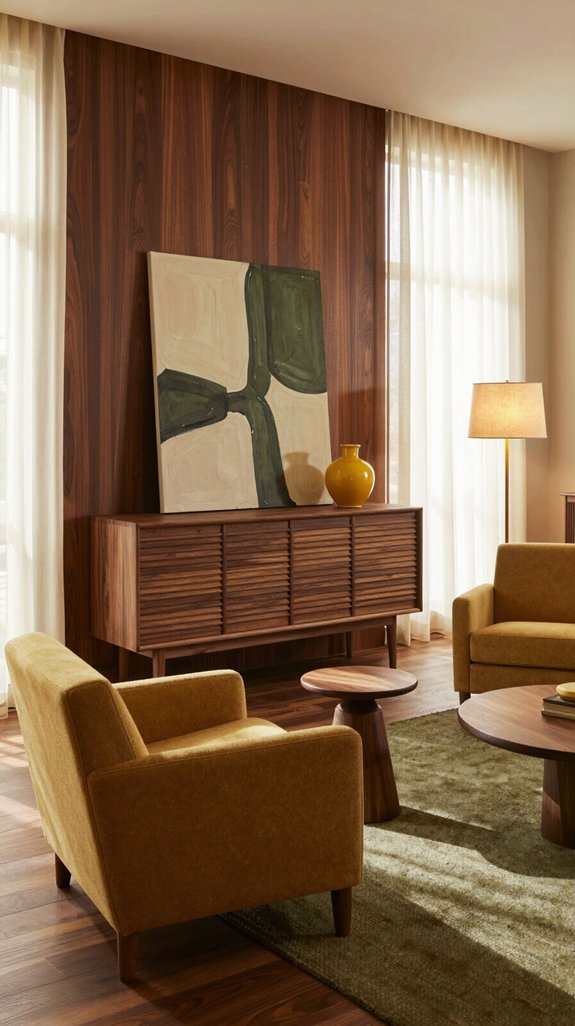
If I blend mustard yellow and olive green with walnut wood, the rich, dark grain instantly pops against the warm, earthy hues, creating a balanced yet vibrant backdrop. I start by selecting a matte mustard accent wall; its golden intensity highlights walnut’s natural luster without overwhelming. Then I introduce olive green furnishings—think velvet sofas or woven baskets—to inject organic depth. The juxtaposition feels fresh, echoing 2024’s nature‑inspired palettes while maintaining sleek modernity. I layer subtle textures, like brushed brass hardware, to tie the colors together. For a more dramatic approach, consider pairing these warm tones with wine-red accent walls to add sophisticated depth and luxury to your design scheme. This combination transforms a space into a dynamic, yet harmonious, visual narrative that feels both avant‑garde and inviting.

Ideal for use on interior/exterior surfaces including wood, plastic, plaster, metal, masonry and unglazed ceramic
This product is Non-toxic

Ideal for use on interior/exterior surfaces including wood, plastic, plaster, metal, masonry and unglazed ceramic
Select Neutral Shades for Walnut Wood

Even though walnut’s deep, chocolate‑brown grain commands attention, I find that pairing it with soft neutrals lets its richness breathe while keeping the room airy. I gravitate toward warm greys, muted beiges, and creamy ivories that echo natural light without competing. A subtle dove‑grey sofa creates a serene backdrop, while a sand‑tone rug adds texture and depth. I experiment with layered neutrals—off‑white walls, charcoal accent panels—to sculpt visual hierarchy. These tones amplify walnut’s elegance, allowing its grain to remain the focal point yet feeling contemporary. Cool white paints enhance this minimalist approach by providing a crisp, contemporary foundation that lets walnut woodwork stand out as the primary design element. By balancing tone and temperature, I achieve a timeless, innovative aesthetic.

Distressed Farmhouse Look: these rustic bird figurines feature a warm terracotta brown finish with a naturally weathered texture, bringing cozy, lived-in charm to shelf, mantels, or entryway tables without overpowering your decor

【Size】The size of these vases are: high one is 8.86"H x 3.15"D,Middle one is 7.28"H x 4.25",Small one is 5.32"H x4.13".

ECLECTIC BOHO PRINTS WALL ART: Add pops of color to your living space with our geometric wall art. The boho wall prints feature an eye-catching composition of geometric and abstract shapes in shades of orange and terracotta. This mid century modern wall art will add depth and warmth to empty walls
Use Bold Accents With Walnut Wood Without Overwhelming
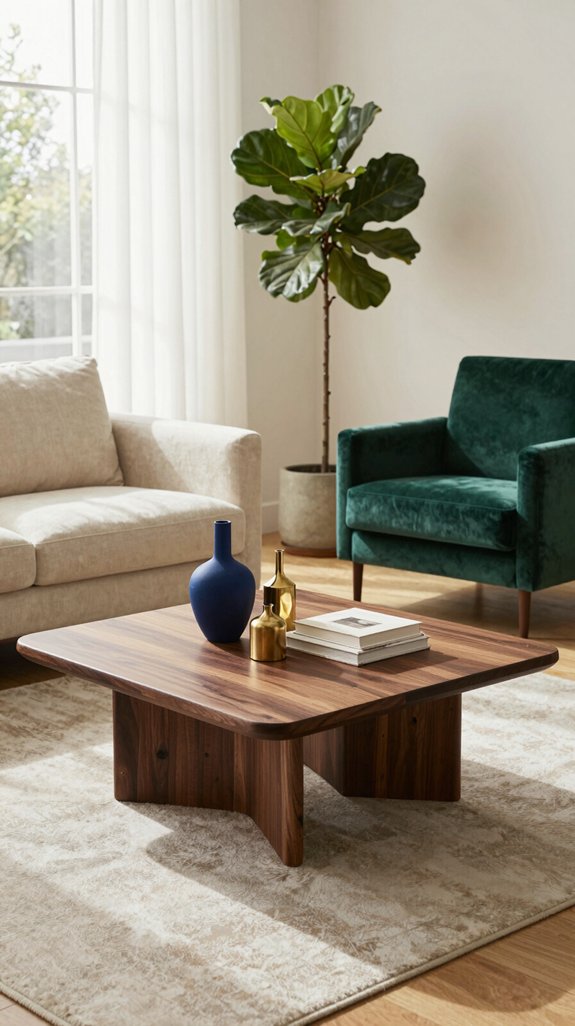
Can a single splash of color truly coexist with walnut’s deep, chocolatey grain without stealing the spotlight? I’ve learned that restraint is my ally. I choose a bold accent—perhaps a teal sofa or a mustard wall art—then anchor it with walnut’s warm glow. I limit the hue to one focal piece, letting the wood’s natural rhythm dictate balance. I pair matte finishes with glossy walnut to create depth, and I sprinkle metallic accessories sparingly for modern flair. Dark brown interior paints can further enhance this sophisticated approach by grounding the space with additional depth and warmth. By confining intensity to strategic zones, I preserve walnut’s elegance while injecting fresh, daring energy that feels both current and timeless.

Elegant and Modern Design: This dining chair set features a high backrest with decorative rivet insets, exuding a sense of nobility and luxury. The sleek lines and contemporary velvet upholstery blend seamlessly with any home decor, creating a warm and inviting atmosphere for your dining room or living space.

Premium Quality Materials: Crafted from high-quality North American black walnut, solid brass, tempered glass, and soft velvet. This wooden jewelry box offers both durability and elegance, ensuring long-lasting use.

【Modern 5-Piece Dining Set】 Comes with one round kitchen table and four coordinating dining room chairs, offering a unified look for your kitchen or dining area. This dining table with chairs complements any dining room decor with its Mid Century Modern style.
Pick Wall Paint & Trim for Walnut Wood Flooring
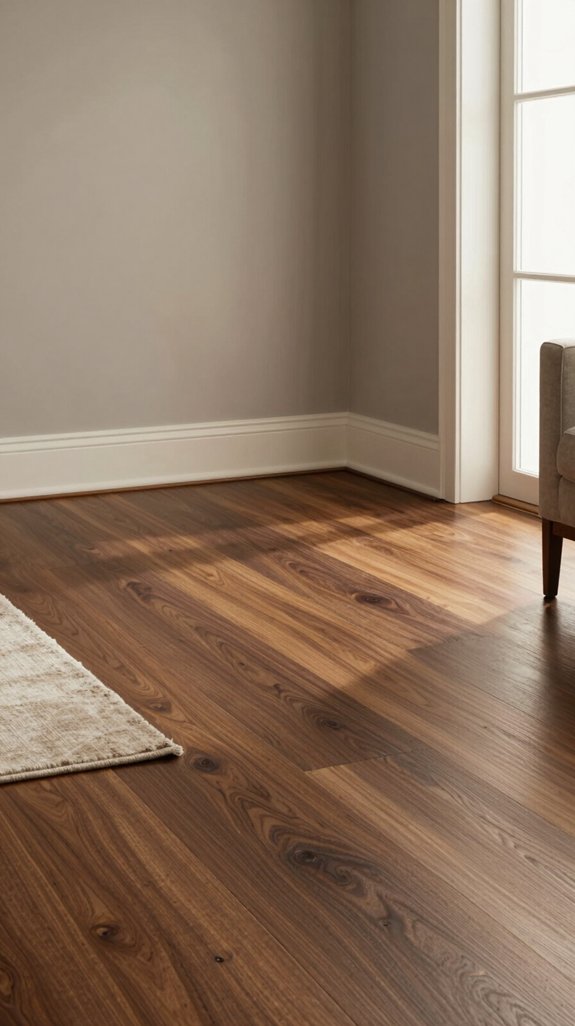
After embracing a single bold accent, I turn my focus to the walls and trim that frame walnut flooring. I choose a muted sage or warm greige for the main walls, letting the deep brown grain breathe while adding subtle depth. For trim, I opt for a crisp, high‑contrast off‑white or a soft charcoal, depending on the room’s light. These hues echo modern Scandinavian palettes yet remain timeless. I consider undertone harmony: cool trim balances warm wood, while warm trim amplifies walnut’s richness. For those seeking warmth, soft orange undertones in wall paint can create an especially inviting atmosphere that complements the natural richness of walnut wood. The result feels curated, inviting, and unmistakably current, letting the floor shine without competing.

【TIMEOFF VINTAGE AESTHETIC & VERSATILE DECOR MATCH】Infused with a retro-modern soul, this checkered pattern paired with a classic geometric border strikes the perfect balance between playful vintage charm and clean contemporary design. It acts as an effortless style anchor that seamlessly complements Mid-Century Modern, Boho Chic, Minimalist, Japandi, or Traditional American Farmhouse aesthetics, instantly elevating the design quotient of any room.

Vintage Decorative Rug: Distressed Bohemian floral pattern, multiple low-saturation vintage color schemes, fits living rooms, offices, bedrooms and more. Classic patterns are soft, not abrupt, and versatile with wood and leather furniture

Soft Area Rug: This 8'x10' area rug features chic, faded floral motifs in a vintage color palette.Blending retro, flowers and boho styles, it complements any décor. Made from durable faux wool, it’s luxuriously soft—perfect for barefoot comfort
Lighting Tips for Walnut Wood Grain and Color Pairings

When I set the mood for walnut flooring, I start with light that respects its rich, warm grain while complementing the surrounding paint and trim. I favor layered illumination: recessed LEDs at 3000 K for a soft, amber glow, paired with directional spotlights that highlight the natural figure. A dimmable pendant over the living area lets me shift from sunrise amber to cool twilight, preserving depth without washing out color. I integrate smart sensors to adjust intensity as daylight fades, ensuring the walnut’s caramel tones stay vibrant. Finally, I add subtle accent strips behind crown molding, casting a gentle halo that accentuates both grain and adjacent hues. Pairing these lighting techniques with humidifier stands helps maintain optimal wood conditions while preserving the aesthetic quality of your space.
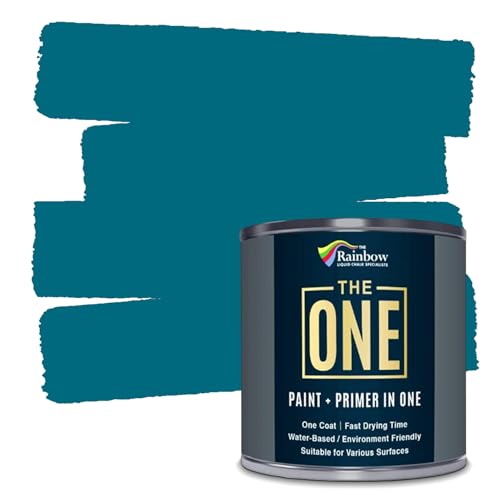
ALL-IN-1 PAINT & PRIMER: A hardy multi-purpose and multi-surface one-coat paint and primer in one for almost any indoor or outdoor surface. A wall, ceiling, floor, skirting board, cabinet, furniture and door paint for your bathroom, kitchen, home and garden.

Ideal for use on interior/exterior surfaces including wood, plastic, plaster, metal, masonry and unglazed ceramic

VERSATILE SIZE - This unique chalk acrylic paint comes in a convenient 8 oz size and has a rich, highly pigmented formula - perfect for all your home décor projects!
Style Textiles and Accessories for a Walnut Wood Color Scheme

I love pairing walnut’s deep, caramel hues with textiles that echo its natural elegance while adding a modern edge. I gravitate toward matte linen in muted sage, which softens the wood’s richness without competing. A silk rug in brushed copper introduces reflective depth, while a velvet throw in deep navy creates a dramatic contrast that feels current. I choose accessories—metallic brass handles, geometric ceramic vases, and woven baskets in natural jute—to reinforce texture and sustain visual balance. Stylish accent pillows can anchor your color scheme while introducing additional layers of comfort and visual interest to your walnut-centered design. By layering these curated pieces, I transform a walnut‑centered space into an avant‑garde sanctuary that feels both timeless and forward‑thinking.

IMPECCABLY COMPOSED WALLS are easier to achieve with these Haus and Hues set of 3 mid century prints. With clean lines and earthy hues, this sun and moon wall decor effortlessly brings a Southwestern vibe in any home or office setting. Decorating with mid century modern wall decor has never been easier and more affordable
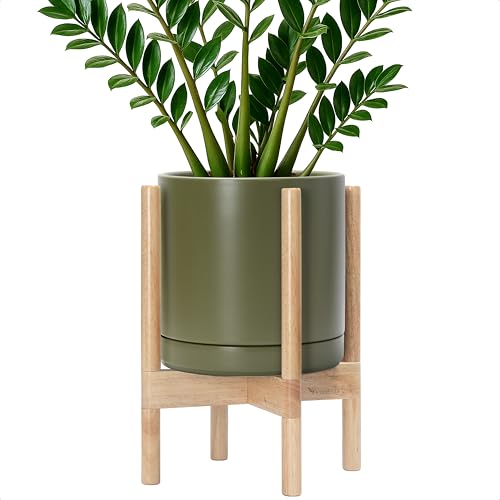
10 Inch Pot with Stand Set: Planter size: 10"Diameter x 10.2"H; pot with stand total height: 16.5 inch.

Donut & circle design – this terracotta vase set of 2 features two coordinating hollow silhouettes that work as both donut vase and circle vase decor. The open-center shape creates a sculptural look from multiple angles, while the two sizes add natural height variation. Display the pair together as round terracotta vase decor or separate them to repeat the same design across your home.
Top 5 Color‑Pairing Mistakes to Avoid With Walnut Wood
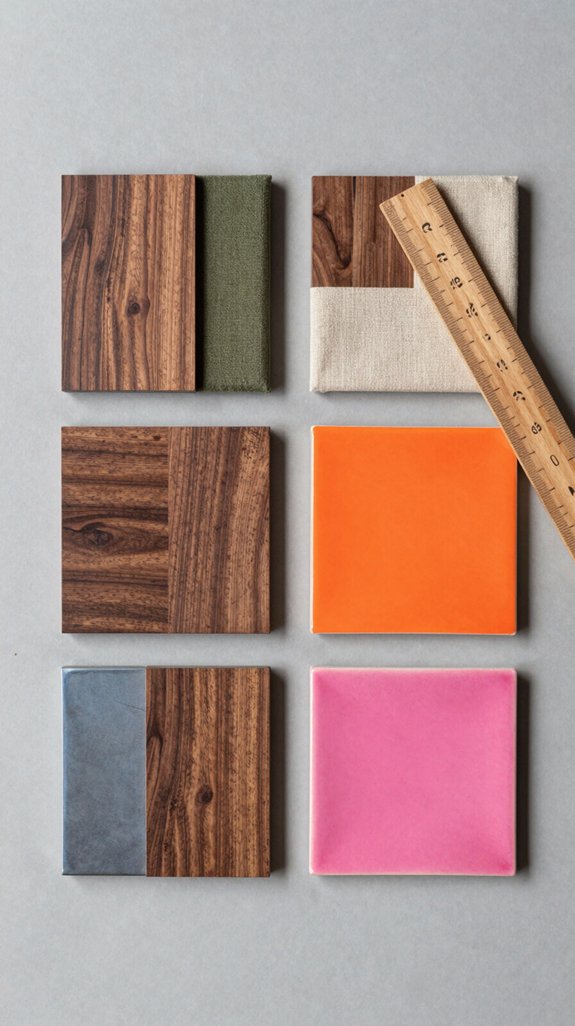
Even a subtle misstep can throw a walnut‑toned room into visual chaos, so I’ll walk you through the five most common color‑pairing errors and how to keep the wood’s deep caramel warmth intact.
- Pairing walnut with flat neon hues— the stark contrast overwhelms its richness.
- Using too much gray; it mutes the wood’s warmth, making the space feel sterile.
- Matching walnut with overly bright pastels—these clash with its earthy depth.
- Ignoring undertone harmony; cool blues can make walnut appear dull.
- Over‑accessorizing with glossy black—its sheen competes with walnut’s subtle sheen.
Stick to muted, complementary palettes, balance texture, and let walnut’s natural elegance lead. Consider incorporating warm grey wall paints to add softness and balance while maintaining the wood’s inherent warmth throughout your space.

【Modern 7-Piece Dining Set】 Comes with one round kitchen table and 6 coordinating dining room chairs, offering a unified look for your kitchen or dining area. This dining...
Frequently Asked Questions
Can Walnut Flooring Be Installed Over Radiant Heating?
I’m thrilled to tell you that walnut flooring can gracefully sit atop radiant heating, provided you choose engineered planks, guarantee proper moisture barriers, and keep temperatures under 80°F for lasting elegance.
How Does Walnut Wood React to High Humidity?
I’ve found walnut swells slightly and darkens when humidity spikes, so I keep indoor humidity between 35‑55 % to preserve its sleek grain and avoid cupping, ensuring it stays chic and stable.
Is Walnut Wood Safe for Pets With Allergies?
Is walnut wood safe for pets with allergies? I assure you it typically isn’t a trigger; its dense grain and low resin content rarely provoke reactions, making it a stylish, hypoallergenic choice for modern, pet‑friendly homes.
What Is the Best Method to Remove Stains From Walnut?
I recommend gently sanding the stained walnut with fine‑grit sandpaper, then applying a citrus‑based wood cleaner and a thin coat of matte polyurethane; this restores its natural luster while preserving modern, eco‑friendly aesthetics.
Can Walnut Be Refinished Without Changing Its Natural Color?
I can refinish walnut while preserving its natural hue; I’d sand lightly, apply a clear, low‑sheen polyurethane, and let the grain breathe, delivering a fresh, sleek finish that feels both timeless and cutting‑edge.