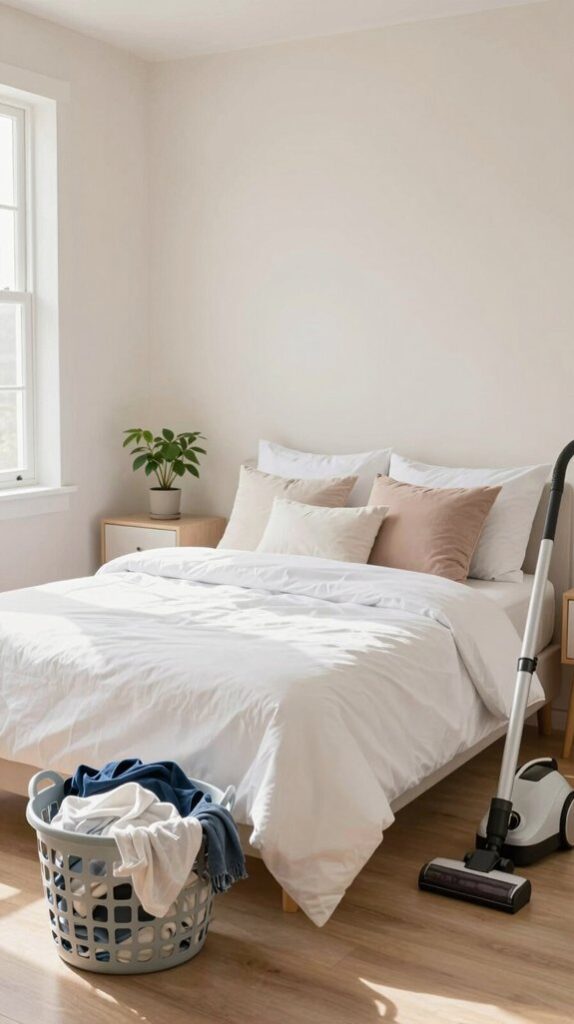
Cleaning my bedroom after a lice infestation can feel overwhelming, but it’s essential to prevent them from returning. I make sure to wash all bedding in hot water and dry them on high heat. I vacuum every corner, paying special attention to the mattress and stuffed animals. I also seal non-washable items and treat them properly. Staying organized and consistent is key in keeping my space lice-free. Want to explore more effective tips for a thorough clean?
Swift Summary
- Strip all bedding and wash in hot water, drying on high heat to eliminate lice and nits effectively.
- Vacuum the mattress and surrounding areas thoroughly to remove any stray lice or nits.
- Inspect and sanitize personal items like hairbrushes, sealing non-washable items in bags for 48 hours.
- Maintain daily cleaning routines by washing sheets and pillowcases regularly at high temperatures.
- Educate household members about lice prevention and monitor for any signs of reinfestation consistently.
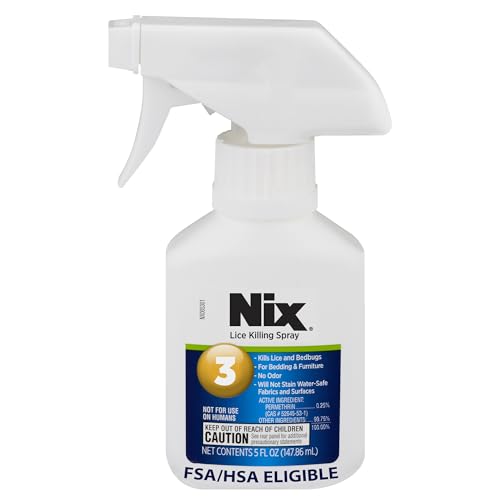
Nix Lice & Bedbug Killing Spray for Home kills lice and bedbugs in your home
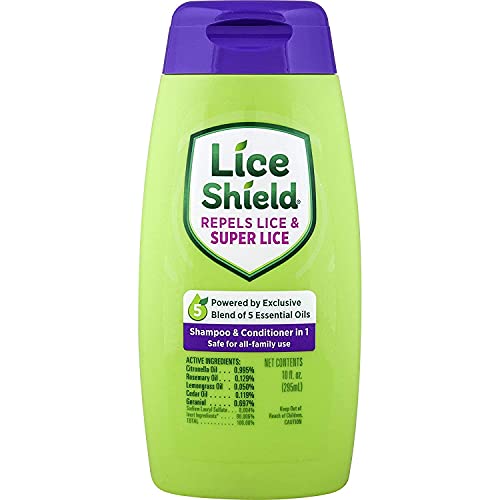
Protect Your Whole Family with Lice Shield: Lice Shield Shampoo & Conditioner is a lice repellent shampoo proven to repel head lice and persistent super lice. A lice repellent 2in1 shampoo conditioner that gently cleanses and conditions hair

Fragrance-Free Clarifying Formula: Our Clarifying Shampoo is fragrance-free and targets the residue left behind by lice treatments, ensuring that your child's hair is free from any remaining oil, dead lice, or nits that might have been missed during the combing process
Understanding the Lice Life Cycle
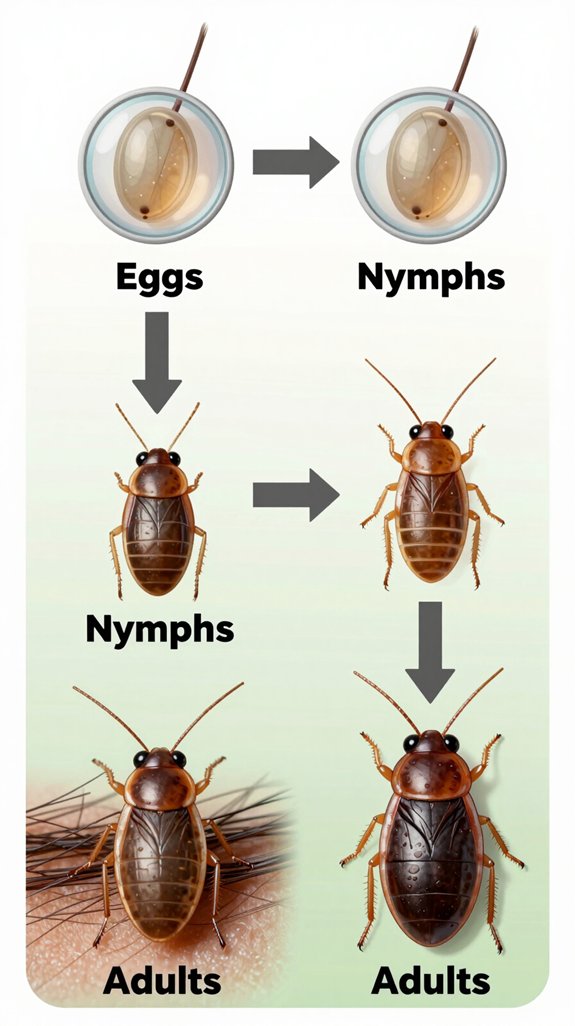
Understanding the lice life cycle is essential if you want to effectively tackle an infestation. It all starts with nits, those tiny yellow eggs cemented near the scalp. They incubate for 6 to 12 days, thriving in warmth.
Once hatched, nymphs emerge, small and ravenous, feeding on blood every few hours, maturing in about two to three weeks. As adults, they grow to 2 to 3 mm, capable of reproducing rapidly—females lay 3 to 10 eggs daily.
This cycle continues every three weeks if left untreated. By grasping this timeline, you can pinpoint the stages of lice and take swift action. Knowledge empowers you to break the cycle and reclaim your space from these unwelcome pests.
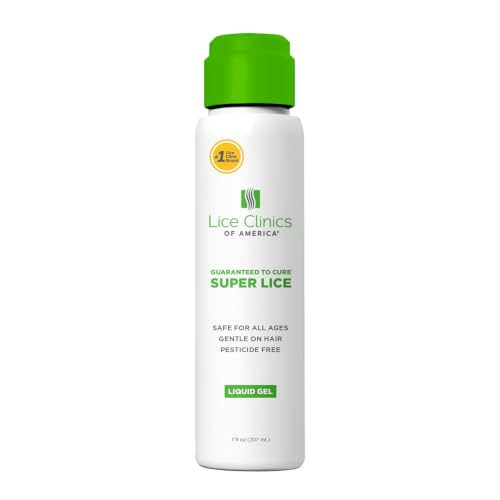
PROFESSIONAL-STRENGTH FORMULA FROM LICE CLINICS OF AMERICA — Developed by the world's largest network of professional lice treatment clinics. The same active ingredient...
Signs of Lice Infestation in Your Bedroom
When I noticed my scalp itching uncontrollably, I began to suspect something was wrong.
I soon spotted tiny nits clinging to my hair and experienced unusual hair shedding patterns.
These signs made it clear that I needed to take immediate action against a lice infestation in my bedroom.

【High-Efficiency Deep Cleaning】Our UV mattress vacuum cleaner features a powerful 500W motor, providing 16kPa of strong suction and 30,000 RPM high-frequency tapping. It penetrates deeply into mattresses and fabric layers, effectively removing fine dust, skin flakes. Keep your mattress and sofa consistently fresh and clean, creating a healthier sleep environment and allowing you to enjoy a healthier home life. (NOTE: Not suitable to absorb pet hair)

【Go Beyond Surface Cleaning】Hyper Helix Motor delivers 2 suction levels, 12kPa and 16kPa spiral negative-pressure suction with 33,000-RPM powerful tapping for deep dust removal. The strong cleaning performance of the mattress vacuum cleaner lifts dust, debris, and pet hair from mattresses and sofas, and LED display allows you to monitor cleaning performance in real time for more thorough surface cleaning. This is a great gift for families with pets

【POWERFUL MOTOR】This professional-grade mattress vacuum cleaner features an upgraded motor with enduring, powerful performance, providing an impressive 17Kpa suction power and a brush speed of 80,000 RPM, significantly enhancing cleaning efficiency. (NOTE: The mattress vacuum is equipped with a roller brush jam protection feature.After turning off the power and clearing any debris around the roller brush, it will return to normal operation.)
Visible Lice and Nits
Visible signs of a lice infestation in your bedroom include unmistakable nits and live lice that can disrupt your peace.
Nits, those small, oval specks in shades of white, yellow, or tan, cling stubbornly to hair shafts close to the scalp. Unlike dandruff, you can’t flick them off easily; their firm attachment signals their viability.
Live lice, often seen crawling near the hairline, behind ears, or around the neckline, resemble tiny sesame seeds. If you spot them on hairbrushes or clothing, it’s time to act.
Their movement can disturb your sleep, leaving you restless and irritable. Recognizing these signs early helps reclaim your space from the discomfort of lice and guarantees a thorough cleaning process begins.
Itchy Scalp Symptoms
As I notice an unsettling itch creeping across my scalp, it’s hard not to contemplate the possibility of lice. This intense itching, often concentrated around the back and sides of my head, feels like an unwelcome visitor. It’s the first sign, a reaction to those tiny bites, and it can take weeks for symptoms to surface.
Alongside the itch, I can feel an eerie crawling sensation, as if something’s moving through my hair, especially at night. Small red bumps may form, an indication of my skin’s irritation from scratching. If I find myself restless, tossing and turning, it’s often a result of this discomfort.
My bedroom may be harboring more than just dust; it could be a breeding ground for lice.
Hair Shedding Patterns
Noticing unusual hair shedding can be alarming, especially if lice are involved. I’ve learned to pay attention to where the shedding occurs—behind the ears, along the neck, and particularly at the hairline. These areas often reveal thin patches or even bald spots from constant scratching.
I’ve found clumps of hair in my brush, signaling mechanical damage from irritation. When lice infest, tiny white or yellow nits cling stubbornly to hair shafts, a sure sign of ongoing trouble. If I see nits mixed with shed hair, it’s time to act.
Keeping my bedding clean is essential, as lice can survive on pillowcases, leaving a trace of their presence. Staying vigilant about these patterns has been key in my battle against lice.
First Actions After Discovering Lice
Upon discovering lice, it’s imperative to act quickly to prevent further spread and guarantee effective treatment.
First, I check all household members and close contacts, treating only those with live lice or nits. It’s essential to notify the school for potential checks and include bedmates in this process.
It’s crucial to check all household members and notify the school to ensure effective lice management.
Next, I tackle the initial hair treatment by using a fine-toothed nit comb on wet hair, inspecting each section thoroughly.
After that, I soak combs and brushes in hot soapy water or rubbing alcohol to eliminate any lingering lice.
Vacuuming surfaces—especially where the infested person sat—becomes a priority.
Regular follow-ups are critical; I recheck every few days to confirm no lice remain, keeping the household lice-free.
How to Strip Your Bedding Effectively
When it comes to stripping your bedding, I’m all about efficiency and thoroughness.
I’ll guide you through washing sheets and maintaining your mattress and pillows, ensuring every corner is covered. Using a high-quality cleaner specifically designed for soap scum removal can help keep your bathroom hygienic as you tackle the lice issue. Let’s make sure your sleep space isn’t just clean, but truly lice-free.
Effective Sheet Stripping
Stripping your bedding effectively is essential in the fight against lice infestations. I always start by removing every fabric item from my beds, ensuring nothing is left behind.
Here’s my process:
- I take off pillowcases, sheets, and duvet covers, leaving the mattress bare.
- I don’t forget stuffed animals that might be sleeping on the bed.
- All removed items go directly into laundry bags to prevent spreading lice.
- Finally, I wipe the bed frame and nearby furniture with a damp cloth for extra precaution.
This method not only helps eliminate any remnants of lice but also provides peace of mind. Using pet-friendly cleaning solutions can further ensure that any products used during cleaning are safe for your furry friends.
The thoroughness of this approach makes all the difference in achieving a lice-free sanctuary.
Mattress Pad Maintenance
After ensuring my sheets and pillowcases are lice-free, I turn my attention to the mattress pad.
First, I machine wash it in cold water with a mild detergent, selecting a gentle cycle to protect the fabric and vinyl backing. I skip the bleach and fabric softeners, knowing they can weaken fibers.
To banish any lingering residue, I opt for an extra rinse cycle. For stains, I blot immediately with a clean cloth and apply a mild soap solution, gently rubbing in circular motions.
Finally, I air dry it or tumble dry on low heat to prevent damage. Regular cleaning every one to two months keeps my mattress pad fresh and ready for restful nights. Additionally, using top upholstery fabric cleaners can help maintain its quality and appearance over time.
Pillow Care Tips
To effectively care for your pillows, I always start by washing the pillowcases in hot water, ideally at least 130°F. This temperature is essential for killing lice and their stubborn nits.
Here’s what I do next:
- Tumble dry everything on high heat for at least 30 minutes.
- For non-washable pillows, I seal them in plastic bags for 72 hours.
- I use sticky lint rollers to catch any stray lice on surfaces.
- If I air-dry, I place items in direct sunlight for extra effectiveness.
Additionally, deep cleaning your carpets and upholstery can help eliminate any lingering lice or allergens in your bedroom environment.
Daily Maintenance Tips to Prevent Lice in Your Bedroom
Maintaining a lice-free environment in your bedroom starts with a few straightforward daily routines.
First, I wash my sheets and pillowcases in hot water at 130°F, followed by high-heat drying, ensuring I repeat this for items used in the last two days.
Next, I vacuum the mattress and surrounding areas diligently, targeting any fabric-covered surfaces.
I also bag my hair accessories tightly and freeze them for twelve hours, while non-washable items sit sealed for up to two weeks.
To deter lice attachment, I secure long hair in braids and minimize head-to-head contact.
Finally, I use a daily preventative lice spray before heading out, keeping everyone informed to coordinate prevention efforts effectively.

【18KPA POWERFUL SUCTION & 48,000RPM BEATING】 Equipped with a high-performance motor, say goodbye to hidden dust. This mattress cleaner generates 18KPa suction. It features a high-frequency vibration Brushroll that operates at 48,000 times/min, effectively dislodging deep-seated dust, pet hair, and dander from the inner layers of mattresses, pillows, and sofas. The upgraded 7.3-inch extra-wide suction port covers a larger area, allowing you to clean a king-size bed in minutes.

🌀【16KPA EFFICIENT CLEANING】500W high power mattress vacuum cleaner has 16KPA powerful suction power, combined with the high frequency vibration beat brought by the metal rubber roller brushes with a rotation speed of up to 30,000RPM, which vibrates dust and skin flakes out of the mattress interior onto the fabric surface, easily sucking up hidden dirt. LED green light dust display technology can shine out the dust clearly, with the wider suction opening, you can clean a bed in 3 min to save time

【18KPA Powerful Suction】Powered by an advanced 70,000rpm high-speed brushless motor, this mattress vacuum cleaner delivers a consistent 18Kpa suction. Compared to traditional motors, its brushless design offers higher efficiency, lower noise, and longer service life. Featuring a dual-mode design, this vacuum cleaner allows you to switch between Eco and Boost levels to provide the optimal intensity for various fabric types and surfaces (NOTE: Not suitable to absorb pet hair)
High-Heat Treatment for Pillows and Mattresses
While tackling lice in your bedroom, high-heat treatment for pillows and mattresses becomes essential. Here’s how I handle it:
- Dry your pillows on high heat for 40 minutes to guarantee all lice are eliminated.
- Machine wash those pillows in hot water first, if possible, for added safety.
- Vacuum your mattress thoroughly to remove any stray lice or nits.
- Strip mattress pads and dry on high heat for 40 minutes, killing any lingering pests.
Effective Cleaning Solutions for Personal Items
When tackling lice, I always start with my non-washable items, knowing they need special treatment.
I find that using a reliable lice spray and sealing everything in plastic bags helps guarantee no pesky bugs survive.
It’s also essential to sanitize my daily essentials, so I can feel confident that my space is truly lice-free. Additionally, utilizing proper blind cleaning tools can help maintain a clean environment, preventing any potential reinfestation.
Cleaning Non-Washable Items
To effectively tackle lice from non-washable items, I’ve found several strategies that guarantee thorough cleaning without risking further infestation.
Here are my go-to methods:
- Dry Cleaning: Professional cleaning kills lice and nits on comforters and stuffed animals.
- Plastic Bag Sealing: Seal items in an airtight bag for 48 hours—lice can’t survive without a host.
- Heat Dryer Treatment: A hot dryer cycle for 20 minutes at 130°F effectively eradicates lice.
- Freezer Method: If you’re worried about heat, freezing items for 48 hours also does the trick.
Additionally, using microwave cleaning sprays can help eliminate any lingering odors from items that can withstand heat.
These innovative solutions assure that your cherished belongings remain lice-free while protecting their integrity.
With these methods, I feel confident tackling even the most stubborn infestations!
Sanitizing Daily Essentials
Sanitizing daily essentials is essential for preventing lice from lingering in your home.
I start by washing clothing and bedding from the past two days in hot water (at least 130°F) and drying them on high heat for 20-45 minutes.
For hair tools like combs and brushes, I soak them in hot water for 5-10 minutes, ensuring to remove trapped hair first.
Accessories like hats and scarves can be machine-washed and dried on high heat, while non-washable items should be sealed in bags for 10-14 days or frozen overnight.
Finally, I don’t forget to vacuum surfaces and stuffed animals to eliminate any lingering lice. Using carpet cleaning machines can further enhance the cleaning process and ensure your carpets are lice-free.
This meticulous approach keeps my space lice-free and safe.
How to Clean Hair Tools and Accessories Thoroughly
Cleaning hair tools and accessories is essential after dealing with lice, and I’ve found several methods that work effectively. Here’s how I tackle it:
Cleaning hair tools after lice is crucial; I’ve discovered effective methods to ensure they’re lice-free and ready for use.
- Boiling Water Soak: I soak brushes and combs in boiling water for two minutes, adding disinfectant for extra cleaning power.
- Freezer Treatment: For tools that can’t handle heat, I seal them in plastic bags and pop them in the freezer for 10-12 hours.
- Deep Cleaning Solution: I mix borax, dish soap, and warm water to soak and scrub away debris.
- Hot Soapy Water Wash: After freezing, I wash everything in hot soapy water for at least eight hours.
These methods guarantee my hair tools are lice-free and ready for use!

【Powerful Deep Cleaning Suction】FEPPO Pro mattress vacuum cleaner features a 550W motor delivers 16KPa spiral suction and 40,000 beats/min to lift fine dust from deep within mattresses, sofas, and Bed. Combined with a wide suction inlet, it efficiently refreshes your bed, couch, and upholstery for a cleaner, healthier home.(NOTE: Not suitable to absorb pet hair)

[Next-Gen 18kPa Deep-Down Clean for Dust-Free Sleep] Teant mattress vacuum cleaner goes beyond surface cleaning with 18kPa Hyper Helix suction and high-speed spiral roller delivering 33,000 taps/min; unlike the light vertical tapping in typical cordless vacuums, its roller-based beating action lifts hidden dust, pet hair, skin flakes, and debris from mattresses, sofas, pet beds, and carpets—corded-style cleaning without the cords; a caring gift for your family’s sleep, making each lie-down feel cleaner and cozier

[16kPa Hurricane Suction Lifts Hidden Dust] Go beyond “looks clean.” Powered by ultra-strong dual motors, the MayKing mattress vacuum cleaner delivers 16kPa hurricane-strong suction and 33,000-metal-brush taps/min roller brush rotation, lifting hidden dust, pet hair, and skin flakes from deep inside mattresses, sofas, carpets, and fabrics; a practical gift for families with children and pets who value a truly clean sleep environment
Safely Cleaning Stuffed Animals and Toys
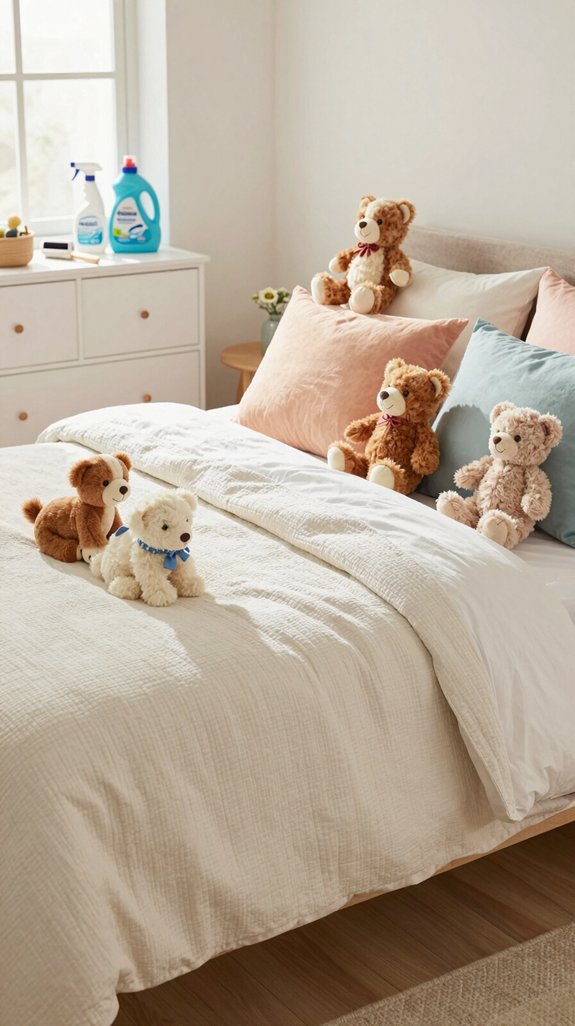
When it comes to tackling lice on stuffed animals and toys, I’ve found a few effective methods that give me peace of mind.
First, I toss my child’s favorite plushies in the dryer on the highest heat setting for 40 minutes; it’s a surefire way to eliminate lice.
For toys that can’t handle the heat, I seal them in plastic bags for at least two weeks, ensuring no lice or nits survive.
If needed, I use a lint roller to pick up any stragglers, as they cling to surfaces rather than burrowing inside.
Using a scrub sponge can also help clean surfaces where lice may have fallen off.
These methods have transformed my approach to cleaning, allowing me to protect my little ones while keeping their cherished toys safe and lice-free.
Why Heat Treatment Matters for Non-Washables
Although dealing with lice can feel overwhelming, understanding why heat treatment is essential for non-washables makes the process much simpler.
Heat effectively eradicates lice and nits by dehydrating them, making it a safe and reliable method for items that can’t be washed. Here’s what heat treatment can do:
Heat treatment safely eliminates lice and nits by dehydrating them, making it ideal for non-washable items.
- Eradicate lice and nits: Temperatures above 125°F kill them in under ten minutes.
- Target hard-to-reach areas: Specialized devices deliver controlled heat and airflow to roots.
- Protect your space: Furniture, sheets, and hats are treated without chemicals.
- Guarantee thoroughness: Professional methods yield high mortality rates for eggs and hatched lice.
This innovative approach not only simplifies cleaning but also guarantees lasting results in your fight against lice. Additionally, effective solutions for a fresh environment can help prevent reinfestation and maintain cleanliness.
Bagging and Freezing Items: A Step-by-Step Guide
Bagging and freezing items is an essential step in your lice elimination process. Start by gathering all items that touched hair in the last 48 hours—think hairbrushes, hats, and stuffed animals.
I recommend using 60L garbage bags for larger pieces and sealing them tightly to prevent any escapees. Label each bag clearly to avoid confusion later.
Next, pop these bags into your freezer at -18°C or lower. For best results, freeze for at least 48 hours to guarantee you’ve killed all stages of lice, including eggs.
After freezing, wash the items in hot water to remove any remnants. This method isn’t only chemical-free but also a reliable way to secure your space from reinfestation.
Informing Close Contacts: What You Need to Know
When I discovered lice, notifying my close contacts became a priority.
I made sure to share treatment guidelines with family members, ensuring everyone was on the same page.
It’s essential to communicate openly to prevent further spread and keep everyone safe.
Notify Family Members
Notifying family members about a lice infestation is essential, especially since immediate action can help prevent further spread.
It’s all about communication, and here’s who I recommend informing:
- Parents of close friends or playmates with recent contact.
- Schools or daycare centers, following their specific policies.
- Coaches or camp leaders if your child is involved in group activities.
- Babysitters or caregivers who’ve had close interactions.
Share Treatment Guidelines
After discovering a lice infestation, it’s essential to share treatment guidelines with close contacts to effectively manage the situation.
First, identify close contacts—everyone who’s had head-to-head contact in the last 48 hours, including family, friends, and caregivers.
Next, check their scalps for live lice or nits, especially behind the ears and at the nape of the neck.
Treat all confirmed cases simultaneously, using over-the-counter or prescription medications as directed. Remember, retreatment is necessary 7-10 days later.
Implement contact precautions, avoiding shared items like hats and bedding until 24 hours post-treatment.
Regularly monitor and educate your contacts about hygiene practices, ensuring everyone stays vigilant to prevent re-infestation.
Together, we can tackle this effectively!
Preventing Future Infestations in Your Bedroom
To effectively prevent future infestations in your bedroom, I recommend establishing a consistent cleaning routine that targets both bedding and personal items. This proactive approach not only keeps your space tidy but also safeguards against lice returning.
Establishing a consistent cleaning routine for bedding and personal items is essential to prevent future lice infestations.
- Wash sheets, pillowcases, and blankets in hot water at 130°F, followed by high heat drying for at least 20 minutes.
- Vacuum mattresses, bed frames, and fabric-covered surfaces to remove stray lice or nits.
- Soak combs and brushes in hot water for 5-10 minutes to eliminate any lingering pests.
- Tie hair up during school activities to minimize direct contact.
Implementing these measures will create a lice-free sanctuary, letting you rest easy and enjoy your space without worry. Additionally, incorporating essential cleaning products can enhance your routine and ensure thorough disinfection.
How to Know If You Need Professional Help for Lice?
How can you tell if it’s time to seek professional help for lice? First, if intense itching plagues your scalp, particularly around the hairline and neck, it’s a red flag.
That tickling sensation of something crawling through your hair can signal a serious infestation. If you spot live lice or nits, especially after multiple home treatment attempts, don’t hesitate to call in the experts.
When more than one family member is affected, professional coordination can simplify treatment. Additionally, if over-the-counter medications aren’t working, specialized technicians can offer precise diagnostics and effective solutions.
They’ll use advanced tools to guarantee every nit is removed, speeding up recovery and allowing you to return to normalcy much faster.
Disposing of Vacuum Bags and Cleaning Canisters
When tackling the aftermath of lice, disposing of vacuum bags and cleaning canisters is essential.
I always make certain to empty my canister outside immediately after vacuuming, sealing everything in plastic to keep any lingering lice at bay.
It’s a simple yet effective step that guarantees my home stays lice-free.
Proper Disposal Techniques
Disposing of vacuum bags and cleaning canisters properly is essential in the battle against lice. To guarantee no pests escape during handling, I follow these steps:
- Seal the vacuum bag with tape for a secure closure, preventing any accidental openings.
- Double-bag it in a sturdy plastic bag before disposal, offering an extra layer of protection.
- Remove the bag outside immediately after vacuuming to avoid any mess indoors.
- Dispose in an outdoor trash bin on garbage collection day, and check local regulations for hazardous waste guidelines.
Cleaning Canister Guidelines
After ensuring vacuum bags are securely disposed of, it’s time to turn attention to cleaning canisters.
I always clean my canister immediately after vacuuming infested areas. I step outside to empty its contents, minimizing any risk of reinfestation.
Rinsing the canister thoroughly with hot, soapy water is essential. I then wipe down the interior surfaces with a disinfectant solution, ensuring no trace of lice remains.
Once cleaned, I let it dry completely before reuse. I repeat this process daily for carpets and furniture, maintaining vigilance for 7-14 days post-treatment.
Using the right tools, like a lint roller for non-vacuumable areas, enhances my cleaning routine and keeps my space lice-free.
How to Organize Your Closet After Treatment
To effectively organize your closet post-treatment, it’s essential to focus on separating treated clothing from untreated items, ensuring a smooth shift back to normalcy. Here’s how I tackled this process:
- Create distinct sections: One for freshly laundered clothes and another for untouched items.
- Use clear storage bins: They offer a visual cue and prevent cross-contamination.
- Cover shelves with clean sheets: This adds an extra layer of protection while keeping things aesthetic.
- Seal delicate items: Place anything that can’t be washed in plastic bags for two weeks.
Tips for Keeping Your Bedroom Lice-Free Long-Term
Organizing your closet was just the first step in reclaiming your space from lice. To maintain a lice-free bedroom long-term, I make it a habit to wash all bedding—sheets, pillowcases, and blankets—in hot water at least 130°F, followed by high-heat drying.
I also change pillowcases daily during treatment periods. For stuffed animals, a quick high-heat dry for 30 minutes does wonders.
I vacuum mattresses and upholstered furniture weekly, using lint rollers to catch stray hairs. In addition, I soak combs and brushes in hot water or a disinfectant solution regularly.
Debunking Common Myths About Lice and Cleaning
While many people fear lice as a sign of poor hygiene, the reality couldn’t be more different. Lice can infest anyone, regardless of cleanliness.
Here are some myths I’ve come across that need debunking:
- Dirty hair attracts lice: Lice don’t care if your hair is clean or dirty; they just need a scalp.
- Nit combing is mandatory: You don’t need to remove every nit after treatment; it’s optional!
- Schools are the main spreaders: Lice spread anywhere there’s close contact—think sleepovers and playgrounds.
- Heavy cleaning is necessary: Lice can’t survive more than two days off the scalp, so extreme measures aren’t needed.
Understanding these myths helps us tackle lice with confidence and clarity, without unnecessary stress.
Frequently Asked Questions
Can I Use Essential Oils to Repel Lice Effectively?
Absolutely, I’ve found essential oils like tea tree and peppermint can effectively repel lice. Their natural properties work wonders, creating a pleasant aroma while helping keep those pesky critters at bay. It’s a game changer!
How Long Can Lice Survive on Clothing?
You won’t believe it, but lice can linger in clothing seams for up to a month! They cling tightly, waiting for their next meal. Washing them away in hot water is essential to eliminate the threat.
Are There Natural Remedies for Lice Removal?
I’ve found tea tree and anise oils effective for lice removal. Diluting them in a carrier oil and combing overnight can yield great results, but consistency is key. Always patch-test for safety first!
Should I Replace My Mattress After a Lice Infestation?
No, I wouldn’t replace my mattress after a lice infestation. They can’t survive long off a host, so proper cleaning and sealing items usually prevent reinfestation. Focus on thorough washing instead; it’s more effective and economical.
What Are the Signs of a Recurring Lice Problem?
If I notice persistent itching, visible nits, or feel a crawling sensation, I suspect a recurring lice issue. Red bumps and sores on my scalp also signal it’s time to investigate further and take action.