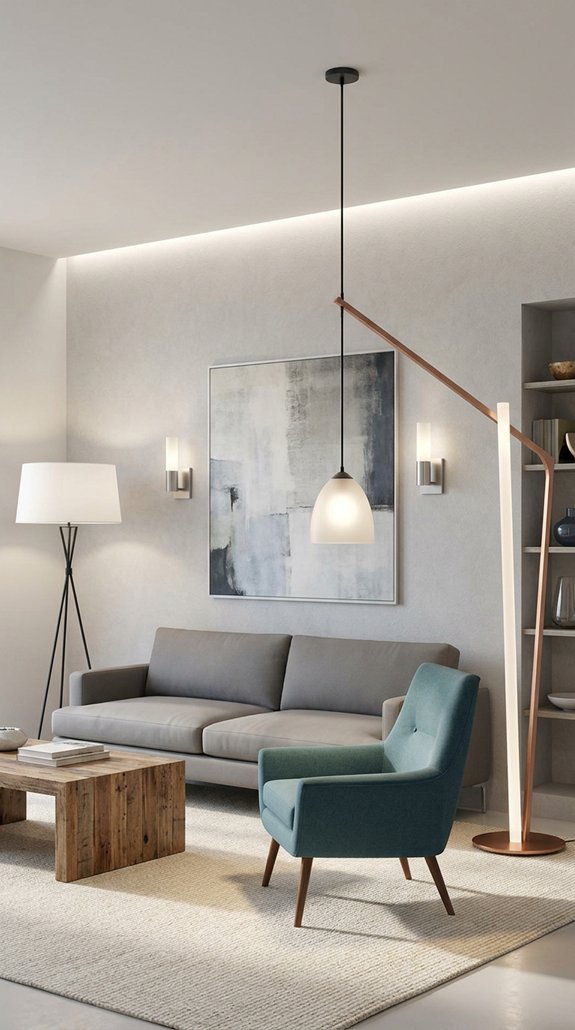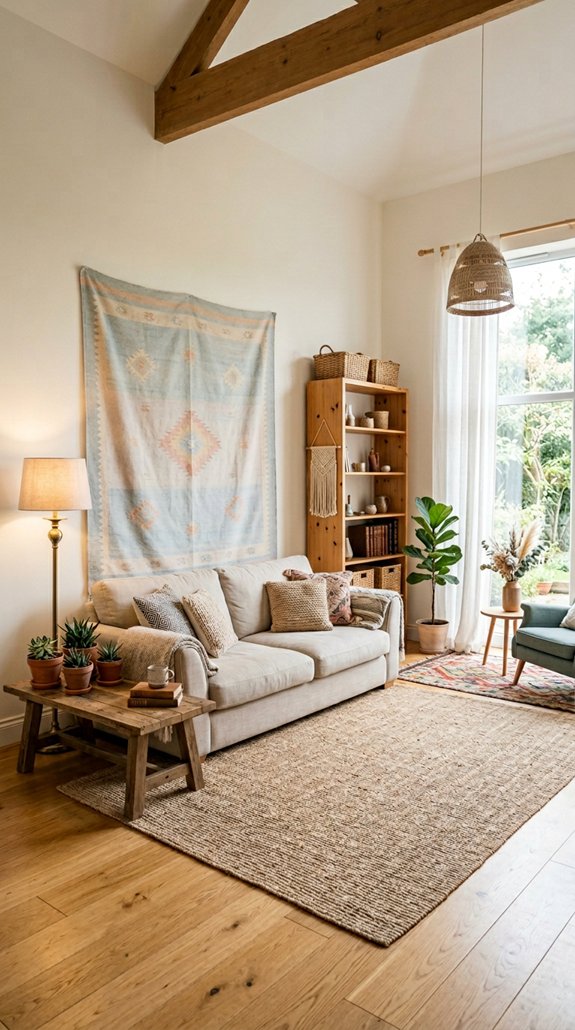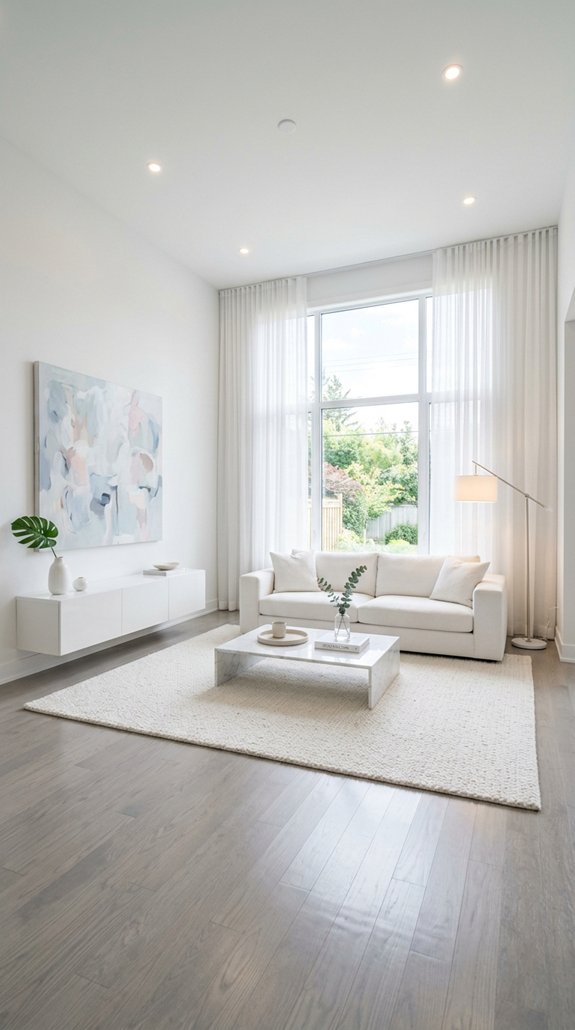
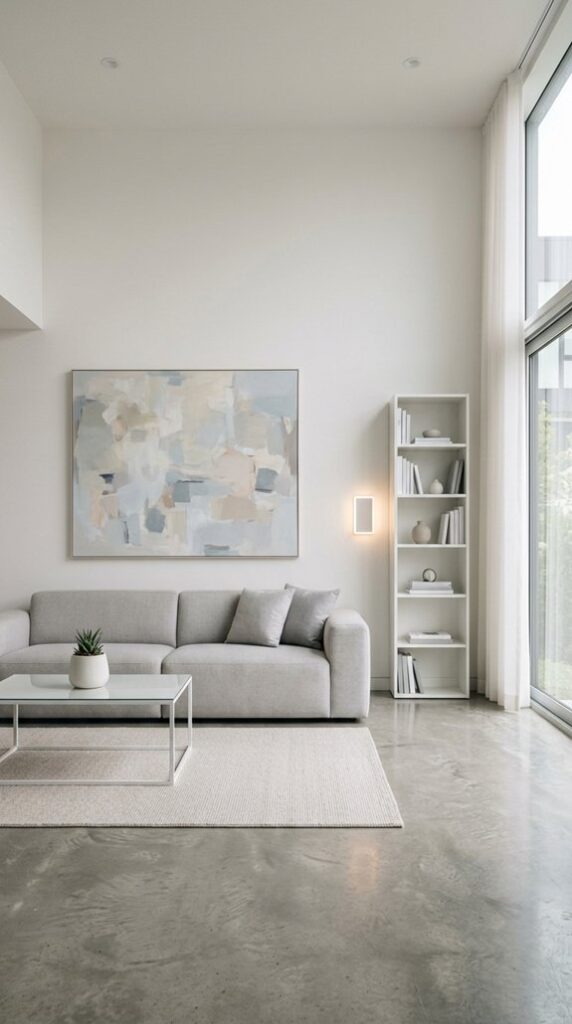

I’ll start with a neutral palette—soft whites, warm greys, muted beiges—to make the room feel larger and tie walls, ceilings, and flooring together. Choose low‑profile furniture that doubles as sculptural art, and add floating or wall‑mounted storage to keep the floor clear. Use matching hardware finishes for a cohesive look, and maximize natural light with sheer curtains and strategically placed mirrors. Keep décor minimal, opt for sleek plant containers, and arrange everything to respect negative space. Keep reading to discover the full 15‑step guide.
Choose a Neutral Color Palette for Minimal Design
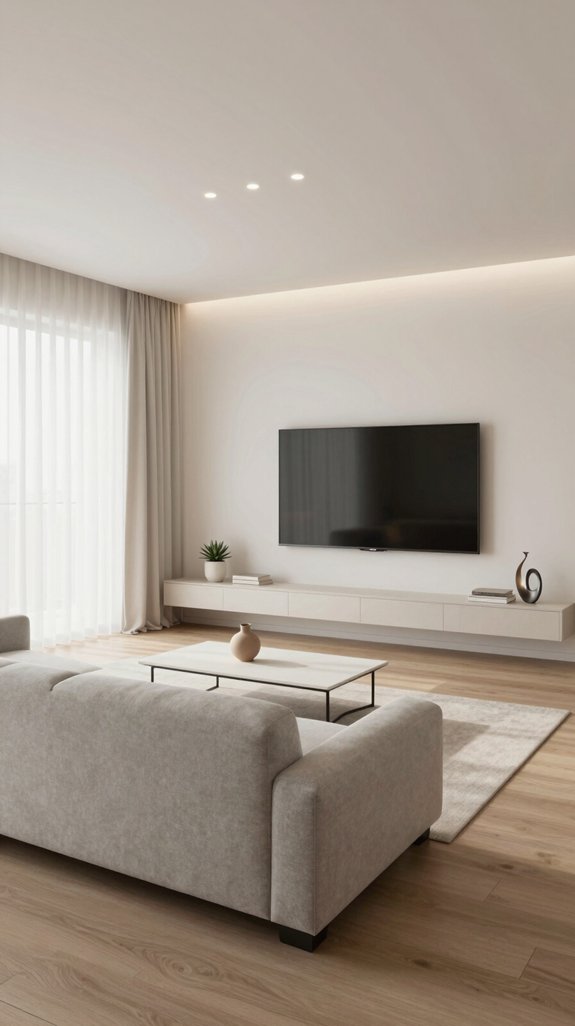
Choosing a neutral palette instantly grounds a minimal living room, letting furniture and texture take center stage without visual clutter. I trust soft whites, warm greys, and muted beiges to create a seamless backdrop that amplifies light and space.
By limiting hue variation, I free the eye to explore subtle shifts in material—linen, concrete, brushed metal—each adding depth without overwhelming. I pair these tones with strategic accent lighting, letting shadows sculpt the room’s geometry.
The result feels both timeless and forward‑thinking, a canvas for innovative art pieces or tech‑integrated décor. I keep the color story consistent across walls, ceilings, and flooring, ensuring continuity that makes even compact footprints feel expansive and refined. Embracing mid‑century modern elements can further enrich the space with iconic silhouettes and organic forms.

Self-Priming formula - requires no sanding

Easy Renovation: Our innovative bottle with a built-in brush makes your renovation projects a breeze. No need to hire professionals, as anyone can use this fast-drying, DIY-friendly product

Use for a variety of indoor and outdoor project surfaces including wood, metal, plaster, masonry or unglazed ceramic
Select Low‑Profile Furniture That Acts as Art
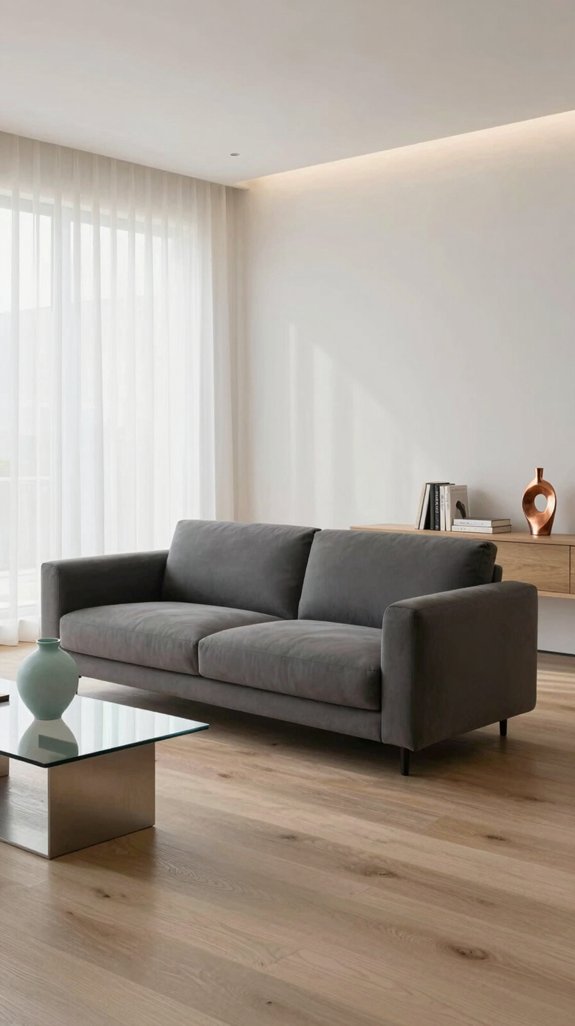
A low‑profile sofa or sleek bench can double as a sculptural focal point, turning the room’s floor plan into a gallery. I choose pieces with clean lines, muted finishes, and subtle geometry, letting the furniture become art without overwhelming space.
A floating credenza in matte walnut or a thin, metal‑framed daybed adds visual intrigue while preserving sightlines. I favor modular units that can be rearranged, letting me experiment with negative space and rhythm.
When I select a piece, I consider its silhouette, material texture, and how light interacts with its surface—creating a dynamic, minimalist tableau. This approach lets me curate a living room that feels both functional and avant‑garde, embodying modern minimalism.
For compact apartments, a cozy sofa set maximizes seating without sacrificing style.

Modular Customizable Patio Furniture Set: This is a fully modular outdoor patio furniture set with completely independent seat components. It enables free rearrangement into L-shape, U-shape or separate single seats without any disassembly

Modular Customizable Patio Furniture Set: This is a fully modular outdoor patio furniture set with completely independent seat components. It enables free rearrangement into L-shape, U-shape or separate single seats without any disassembly

Overall Size:24.8" x 24.8" x 15.4" H — 25% larger than typical 20" ottomans. Please measure your couch for the best fit.<br> Ergonomic 15.4" Height: Ideal for low-profile couches. Helps reduce waist and leg pressure by keeping your legs naturally rested for extended lounging. (Best for average height; not recommended for tall users.)<br>
Install Floating or Wall‑Mounted Storage Solutions
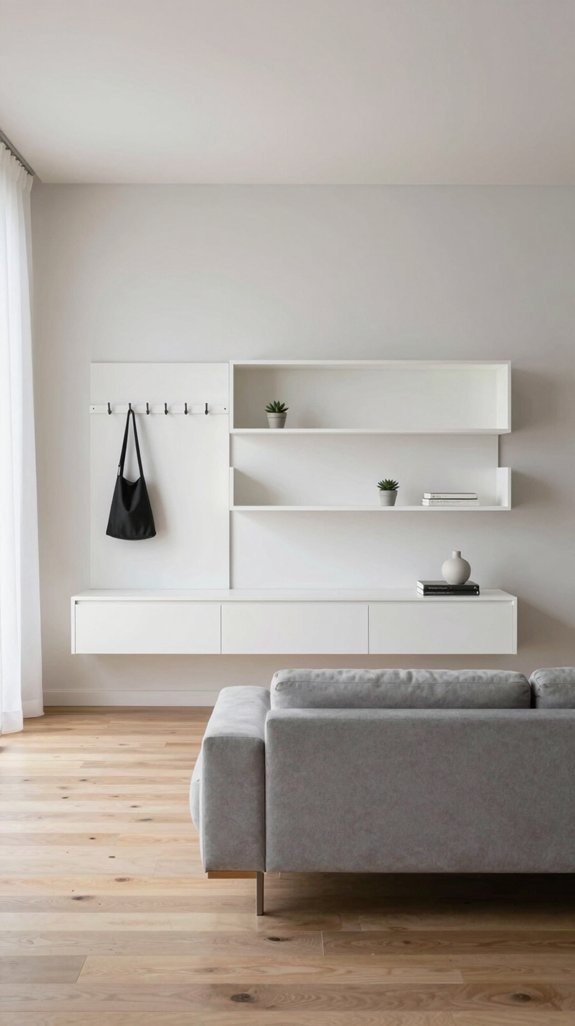
When I install floating or wall‑mounted storage, I’m instantly freeing up floor space while keeping essentials within arm’s reach.
I choose sleek, brushed‑metal shelves that hug the wall, letting light glide across the room without visual clutter.
By aligning cabinets with the ceiling line, I create a seamless vertical flow that feels both modern and airy.
I hide wiring behind recessed panels, ensuring a clean aesthetic that doesn’t compete with the minimalist vibe.
Adjustable brackets let me reconfigure heights as my needs evolve, while hidden magnetic catches keep remote controls and keys out of sight.
This approach maximizes usable area, showcases curated décor, and reinforces the room’s open, innovative spirit.
Floating ledges can also serve as dynamic display platforms for rotating artwork, adding visual interest without sacrificing space.
Explore creative floating ledges for versatile art presentation.

Centerpiece of Room Decoration - These shelves boast a distinctive design and an elegant shape, making them a focal point that elevates the style of any room. Ideal for the living room, bedroom, study, bathroom, laundry room, children's room, or office, they reflect the owner's sophisticated taste and blend seamlessly with various decor themes.

Create a stylish display with our rustic wall-mounted shelves. Perfect to display decor, these offer ample space for books, decor, and more. The Black finish makes them a versatile addition to any room, enhancing your overall decor

Centerpiece of Room Decoration - These shelves boast a distinctive design and an elegant shape, making them a focal point that elevates the style of any room. Ideal for the living room, bedroom, study, bathroom, laundry room, children's room, or office, they reflect the owner's sophisticated taste and blend seamlessly with various decor themes.
Apply a Limited Neutral Scheme With Strategic Accents
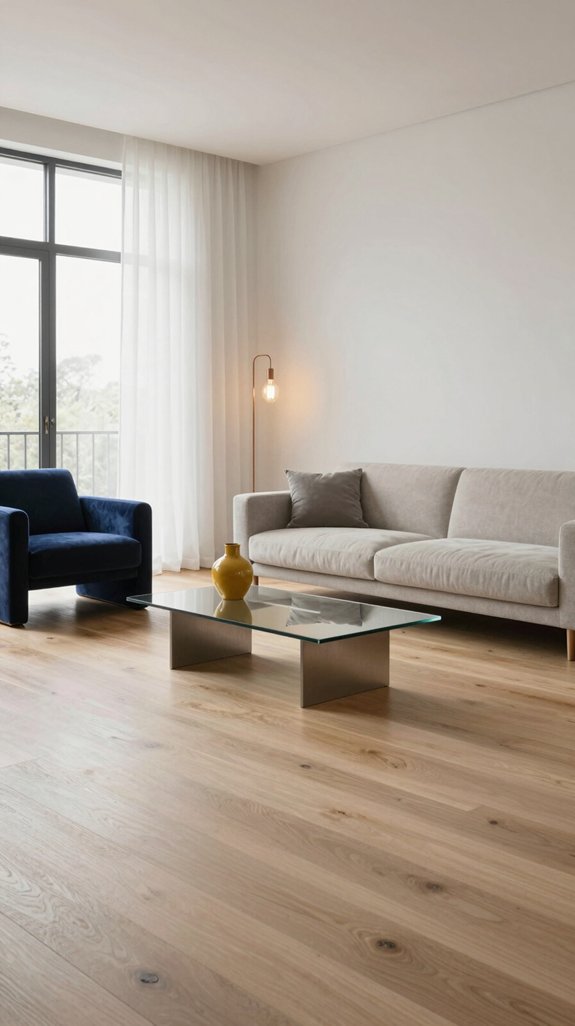
Simplicity drives the vibe when I stick to a limited neutral palette, letting soft beiges, cool greys, and warm whites form a calm backdrop that instantly enlarges the space.
I then inject strategic accents—think a single charcoal sofa, a brushed‑copper lamp, or a teal velvet pillow—to create focal points without clutter.
By anchoring the room in a monochrome base, each accent feels intentional, amplifying depth and texture.
I choose materials with subtle sheen—matte stone, brushed metal, lightly woven linen—to keep the visual weight low while adding tactile interest.
The key is restraint: one or two accent hues, repeated in accessories, artwork, or hardware, generate cohesion and a modern, airy feel that feels both fresh and timeless.
Consider adding a compact folding table for flexible, multipurpose use.

WELL MADE: Sold as 2 panels, each panel is W52" x L84", and W104" x L84" in total. Each curtain panel has 2-in-1 top style design: rod pocket and back tab. With 3-inch inner diameter fit most standard rod. Curtains also can be hung with clip rings. 3 ways meet your various needs.

Packing Detail: The package includes 2 natural ivory linen curtains and each linen textured curtain measures 52 inch wide and 84 inch length(104" wide total). The top style of the curtains is bronze grommets with 1.5 inch inner diameter, fit well with most rods.

360 GSM Thick Linen Blend: The pinch pleated curtains are exquisitely crafted from a 360 GSM blend of linen and polyester. Not only does it offer a soft touch and natural appearance, but it is also exceptionally durable. The thickened design perfectly showcases the natural texture of linen with excellent drape, enhancing your space with elegance.
Maximize Natural Light Using Sheer Curtains & Mirrors
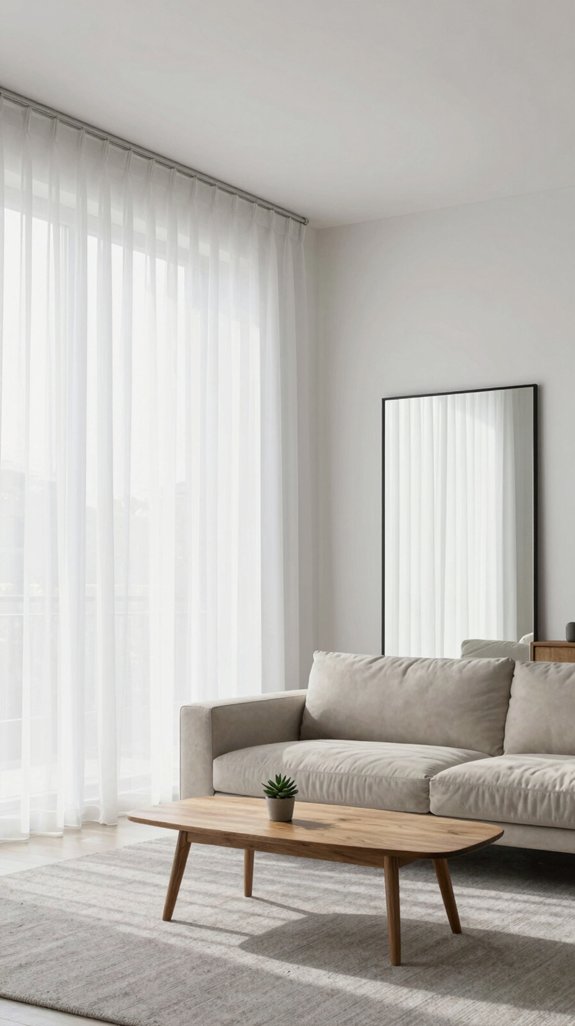
I keep the neutral base I just described, then let sunlight flood the room by pairing sheer curtains with strategically placed mirrors. I choose lightweight, high‑sheer linen in a whisper‑white tone; it diffuses daylight while preserving privacy.
A floor‑to‑ceiling mirror opposite the window bounces light across the space, expanding visual depth without adding bulk. I hang the mirror at eye level, framing a focal wall or artwork to create a layered, airy composition. For a modern twist, I opt for frameless or thin‑metal borders that blend into the décor. Embracing shabby chic pieces adds a warm, vintage texture that complements the bright, airy atmosphere.

Easy to Assemble: The galvanized garden beds outdoor manual includes a clear parts list and installation steps, which can save your time and assist you in assembling the galvanized garden beds quickly.

【Size of Metal Flower Pots】There are 6pcs metal planters in a package. The topper opening diameter 5.9 inches, the bottom diameter 4.3 inches, and the barrel height is 5.9 inches. These tin buckets have ample space for plant growth, making them ideal for succulents, herbs, and flowers, keeping your greenery vibrant.
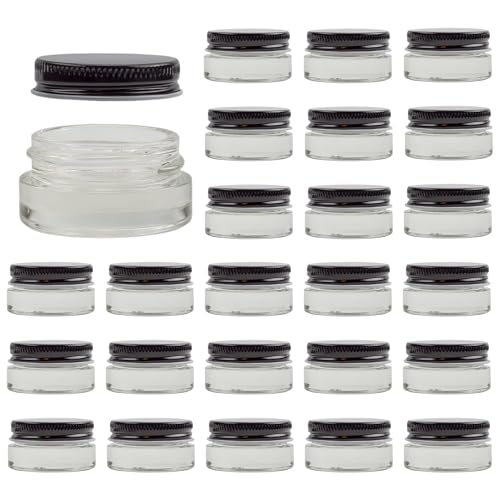
VALUE PACK OF 24: Receive two dozen 1/4 ounce jars with black metal foam lined lids
Add Subtle Texture With Minimal Rugs and Wall Finishes
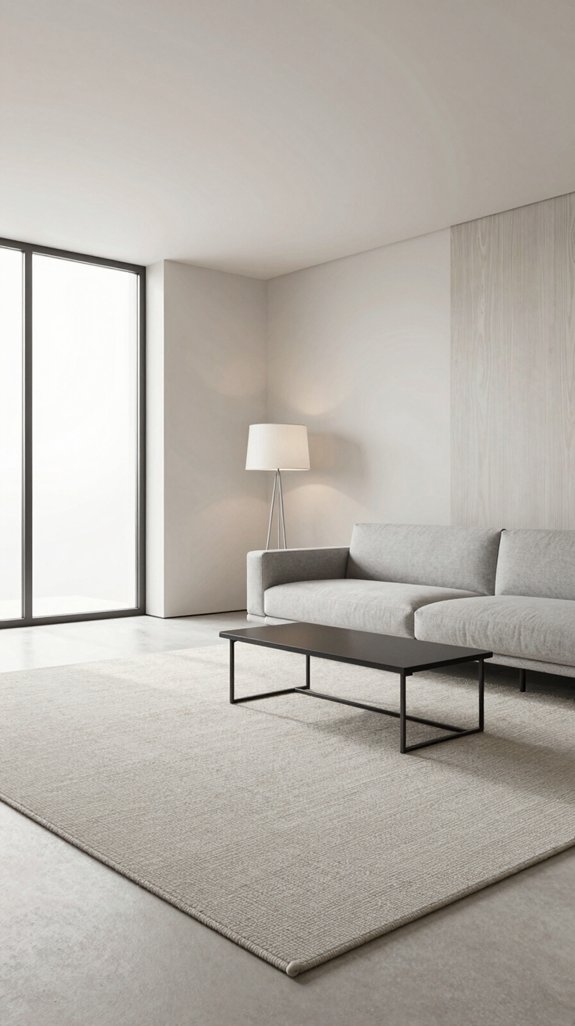
I’ll layer subtle texture into the space by choosing a low‑profile rug and a wall finish that whisper rather than shout.
I opt for a natural‑fiber rug—jute or sisal—kept under two inches tall, its muted weave adding depth without overwhelming the floor plan. For the walls, I select a matte plaster or a delicate woven wallpaper in a tonal hue, allowing light to glide across the surface while hinting at tactile interest.
I align the rug’s dimensions with the seating zone, ensuring a seamless flow that preserves the room’s open feel. By pairing these restrained textures, I create a sensory backdrop that feels both contemporary and inviting, reinforcing minimalism while delivering nuanced comfort.
Adding wall shelves with integrated lighting creates functional storage while casting a warm ambient glow.

CHECK YOUR SIZE — YOU SELECTED LARGE SIZE For best fit, measure your bicep and check our Size Chart. A correct fit prevents pressure and slipping. This size fits bicep: 13.8–16.1 in

Use for a variety of indoor and outdoor project surfaces including wood, metal, plaster, masonry or unglazed ceramic

[UNIQUE BRUSHED EFFECT: Rust-Oleum Milk Paint makes furniture details stand out. With the unique brushed effect and washed matte look, it turns old furniture into an eye-catching piece that transforms your living space, EASY TO CLEAN, SAFE TO USE: Milk Paint is a water-based formula that cleans up easily with soap and water. The low VOC and low odor formula make it easy to work comfortably indoors, LARGE COVERAGE, FAST RECOAT TIME: Each quart covers up to 125 sq. feet. Dry to the touch in just 30 minutes, able to recoat after 1 hour. Recoat multiple times to obtain desired color, PROJECTS DONE FAST: No need for primers; features excellent adhesion in a one-step buildable coating, making it easy to finish new or vintage pieces fast. One coat creates a semi-transparent look; additional coats customize the look, LET CREATIVITY SHINE: Premium matte finish can be layered with different techniques for a custom look. Try brushing on in a “V” pattern for a vintage, washed look. Go a step further and use light sanding to create a weathered texture]
Choose Multi‑Functional Pieces for Seating & Storage
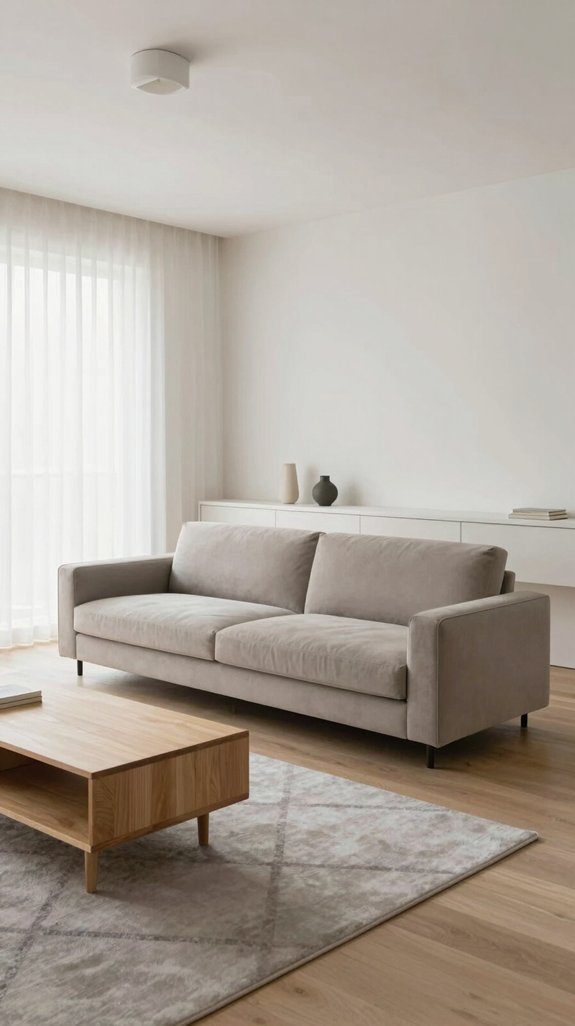
When space is at a premium, I gravitate toward pieces that do double duty—think a sleek sofa with a hidden pull‑out bed or an ottoman that doubles as a discreet drawer.
I choose modular sections that fold flat, stack, or slide into wall‑mounted niches, letting me reconfigure the room in seconds. A coffee table with built‑in cubbies stores blankets and books without breaking the clean line.
I favor low‑profile storage benches that tuck away shoes or linens while offering casual seating. Even a wall‑mounted floating shelf can become a bench when paired with a cushioned top.
These multifunctional items also support interactive learning games that keep kids engaged while fitting neatly into the design.

[High Quality] - The furniture risers are made of premium natural solid wood, sturdy and durable. The wood furniture legs are finished with environmentally friendly coating, smooth and bright.

Modular Customizable Patio Furniture Set: This is a fully modular outdoor patio furniture set with completely independent seat components. It enables free rearrangement into L-shape, U-shape or separate single seats without any disassembly

Overall Size:24.8" x 24.8" x 15.4" H — 25% larger than typical 20" ottomans. Please measure your couch for the best fit.
Keep Décor Minimal With One‑Statement Art or Sculpture
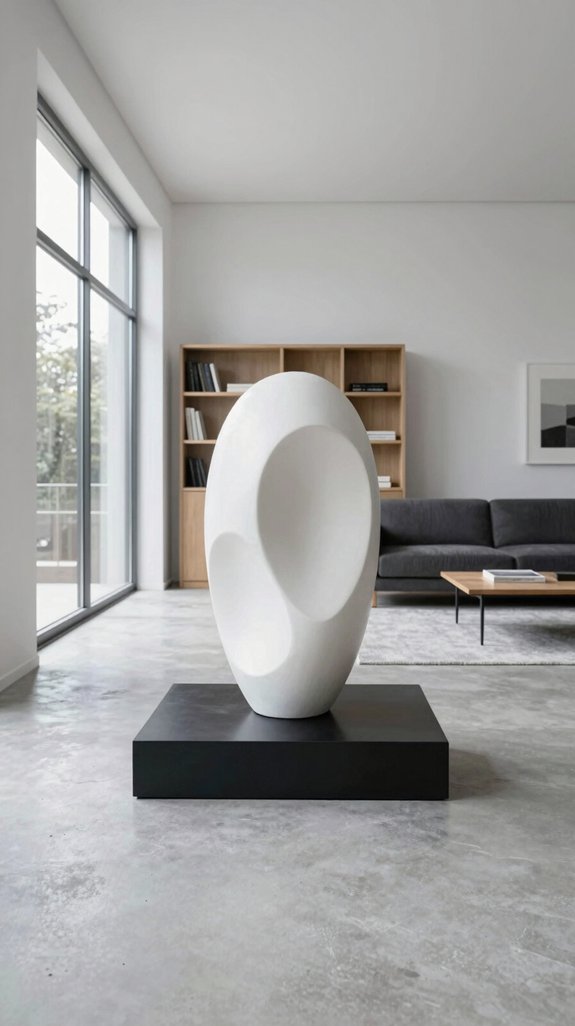
A single, bold piece of art or sculpture instantly anchors a minimalist living room, turning empty walls into focal points without clutter.
I choose a large‑scale abstract print or a sleek metal sculpture that speaks in one visual sentence, letting the rest of the space breathe. By positioning it at eye level, I create depth while preserving floor‑area openness.
I avoid busy frames or ornate pedestals; a simple brushed‑steel stand or a floating shelf does the trick. The artwork’s color palette mirrors the room’s neutrals, reinforcing harmony yet delivering a pop of personality.
I rotate the piece seasonally to keep the ambiance fresh without adding new items. This strategy maintains a clean aesthetic while injecting intentional, contemporary intrigue.
Consider adding a wall mural that complements the piece and expands the sense of space.

Worth Every Penny - Same price for more boards, 5 sets of same size 15.6*5.6*1.8 inches sturdy compositive wood and include all hardware, provides ample storage space and durability feature with a compelling price. Just a few minutes of easy installation, your home will enjoy an entire wall of art.
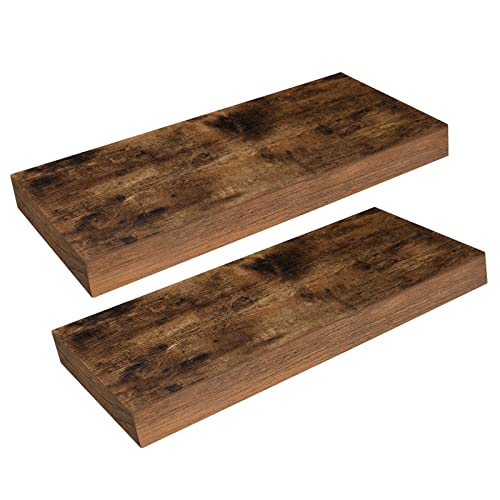
High Quality: Sized in 15.7"L x 7.9"W x 1.5"H. The 1.5" thick floating shelves for wall are fixed with Invisible and enhanced dual-pipe iron Brackets, stable with great load up to 22 lb per wall mounted shelf

Enhanced Lip Protection - These floating wall shelves feature a carefully designed front lip, offering additional protection to prevent your items from slipping or falling off. Display your cherished memories, books, plants, picture frames, funk pop or decorative items with confidence, knowing they are securely held in place.
Hide Wiring and Integrate Tech Seamlessly
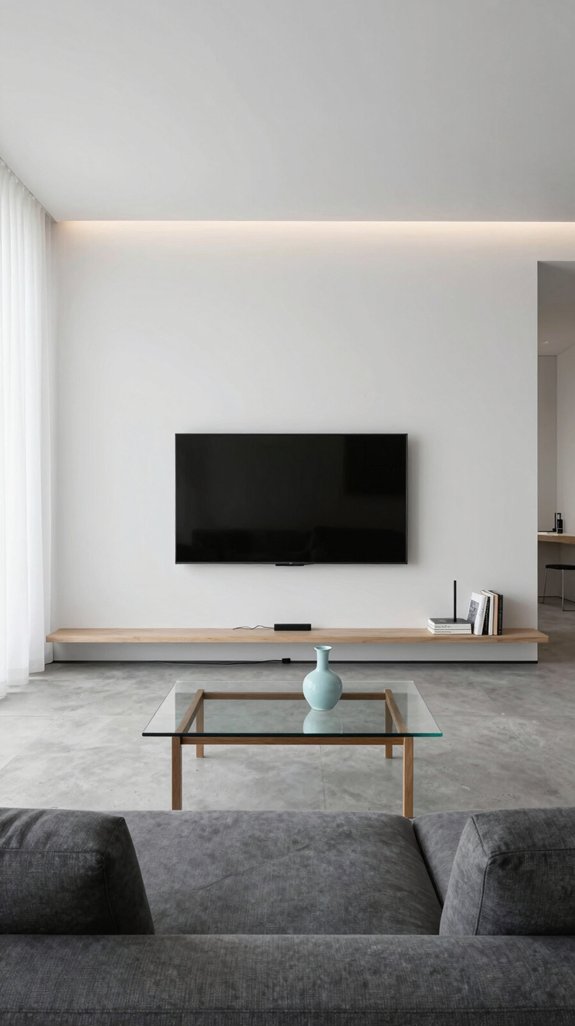
Ever wonder how a minimalist living room can stay sleek while still boasting smart tech? I’ve learned that concealing cables is as much about architecture as it’s about gadgets. I route power and data through recessed wall channels, then cover them with sleek, paint‑matched plates that disappear into the surface.
For speakers, I embed thin, wall‑mounted modules behind acoustic panels, letting sound flow without visible wires. My favorite trick is using furniture with built‑in cable trays—so a floating media console hides HDMI, USB, and power cords behind a clean veneer.
I also opt for wireless chargers and Bluetooth peripherals, cutting the need for cords altogether. The result is a room that feels open, uncluttered, and ready for any tech upgrade.
A stylish solution is to use decorative cable boxes that blend with the room’s aesthetic.

PINCH PLEATED DESIGN: Curtains top features 1.5 times length fabric design for an elegant pleated effect. Perfectly presenting a sense of stereoscopic and layering. Whether in living room, bedroom, dining room or sliding door etc, it fit perfectly into a variety of room decor style

Package: The package includes set of 2 natural linen curtain panels. Each linen textured curtain measure 52 inch wide and 63 inch length. Each light filter curtain has 8 vintage bronze grommets with 1.6-inch inner diameter, fit well with most rods. Easy to hang, and slide smoothly.

Thick Linen Fabric: These linen curtains are carefully crafted from 400 GSM fabric of flax linen, cotton and polyester, offering a blend of softness, natural aesthetics and durability. Thicker linen curtains capture a real rich flax textured feel while savoring a heavier set,adding a touch of sophistication
Use Simple Geometric Lighting Fixtures
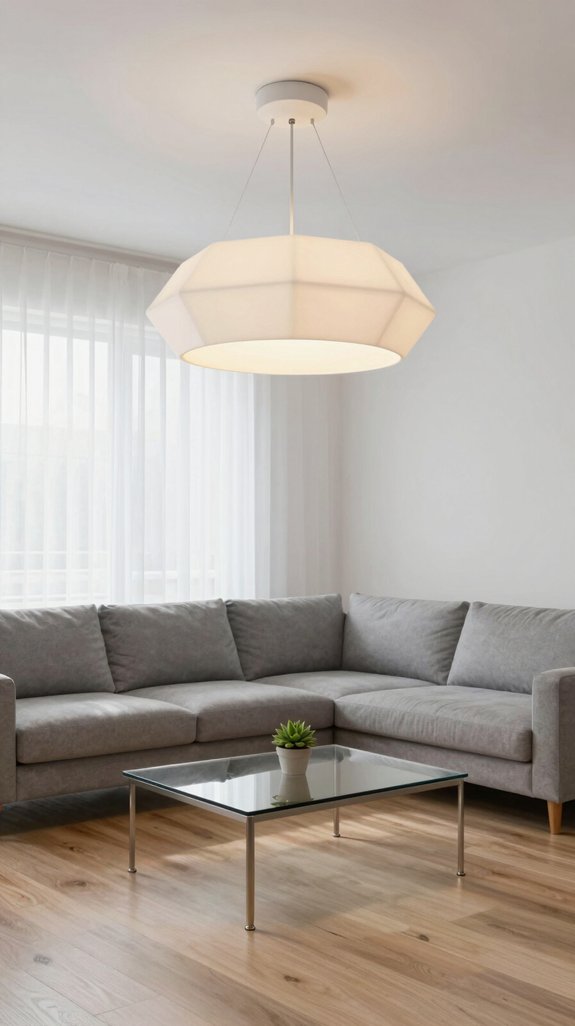
Three simple geometric fixtures—like a matte black sphere, a brushed‑gold triangle, or a clear acrylic cube—can instantly anchor a minimalist living room while keeping the ceiling uncluttered.
I choose pieces that blend form and function, letting clean lines dictate the space’s rhythm. By suspending a single pendant at eye level, I create a focal point without sacrificing floor area.
A recessed strip behind a frosted hexagon adds ambient glow, emphasizing negative space and highlighting texture. I pair matte finishes with subtle LED dimmers, so light shifts with mood while staying low‑key.
The result feels airy, modern, and intentional—exactly the vibe innovators crave when they strip away excess and let geometry speak.

Full Spectrum Grow Lights: Indoor plant stand with LED grow lights, full spectrum, and timer supports growth of succulent, flower, and herb plants in home, room, or garden.
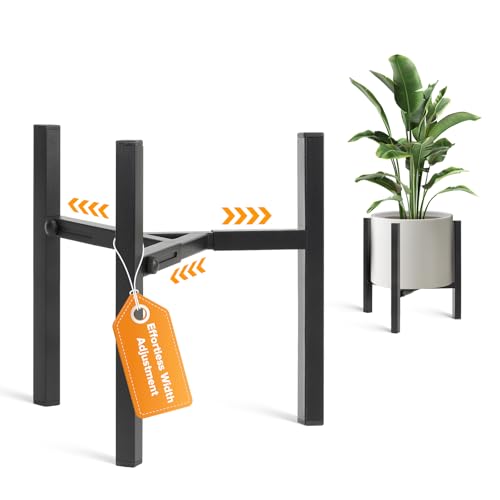
Adjustable Width Plant Stand: Easily expands from 8 to 12 inches to fit various pot sizes. Perfect for small or large planters, offering a clean, balanced, and stylish plant display for any space

Colorful Planter Set: Package includes 6 metal flower planters in stylish oval shape and 6 vibrant colors: pink, blue, white, purple, yellow, green. A beautiful piece to display inside and outside your home. No drainage hole design to prevent dirty scene, you can drill holes for drainage as needed.
Follow the One‑In‑One‑Out Rule for Accessories
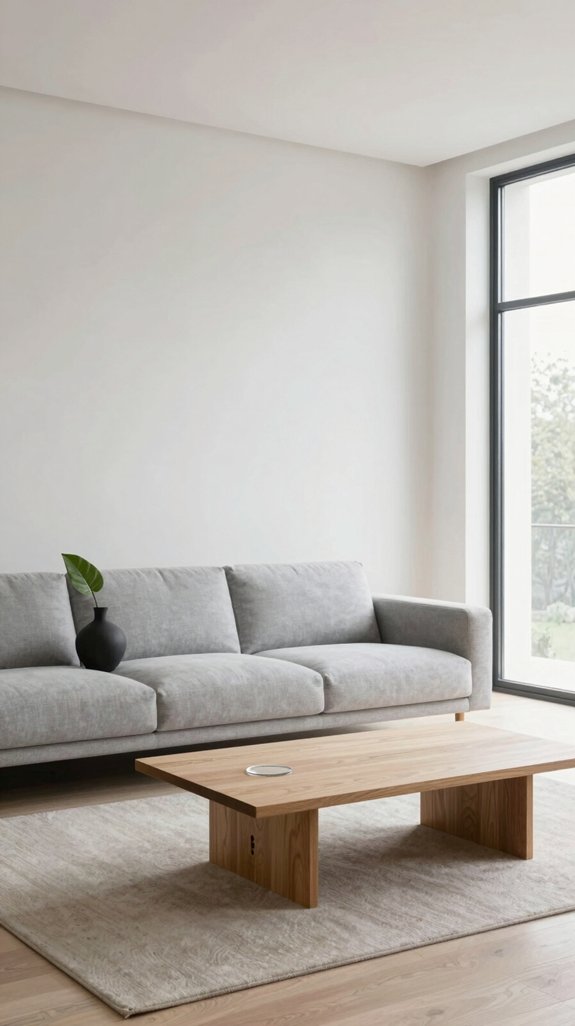
Two items in, two out—my go‑to mantra for keeping a minimalist living room from feeling cluttered.
I swap a sleek vase for a sculptural lamp, then replace the lamp with a curated stack of design books, always maintaining a 1:1 ratio. This habit forces me to evaluate each piece’s function and visual weight before it lands on the shelf.
I keep only accessories that echo the room’s palette or introduce a subtle texture contrast, discarding anything that competes with the clean lines.
By rotating pieces seasonally, I refresh the space without adding bulk, preserving open sightlines and a sense of airy flow.
The rule streamlines decision‑making, letting innovation shine through purposeful, restrained décor.
A well‑curated minimalist palette can amplify the sense of calm in any space.
Ensure Visual Continuity With Matching Hardware
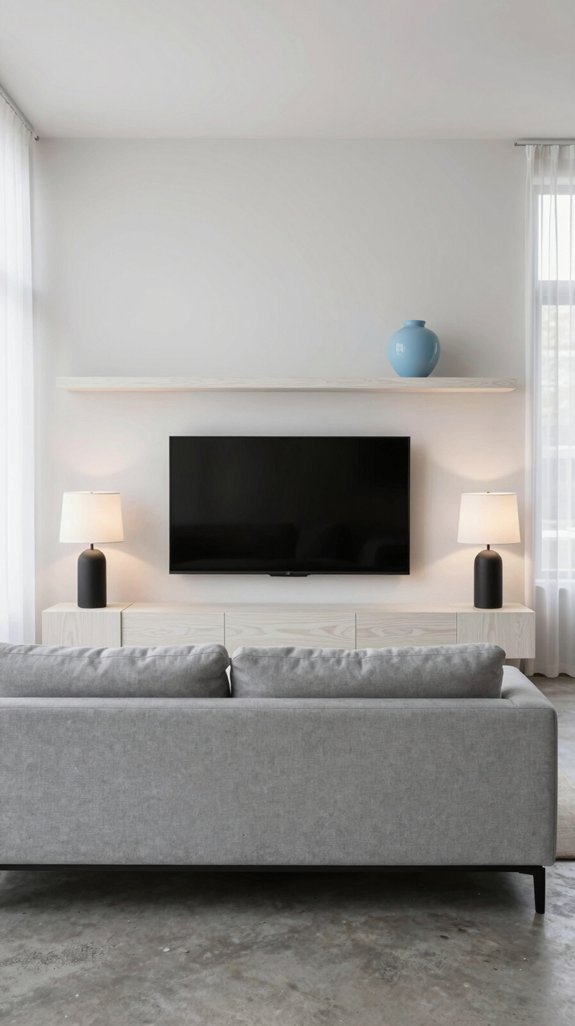
When I line up the door handles, drawer pulls, and light fixtures in the same finish—brushed nickel or matte black—the room instantly feels cohesive.
I choose a single metal tone and repeat it across cabinets, shelving, and even the bathroom vanity to create a seamless visual thread. This consistency shrinks visual clutter, letting the space breathe while still delivering a high‑tech vibe.
I also align the hardware’s geometry: sleek, linear pulls match angular lighting, while rounded knobs complement soft‑curved furniture.
A well‑tuned soundbar can enhance audio fidelity dramatically.
Incorporate Minimal‑Style Indoor Plants in Sleek Containers
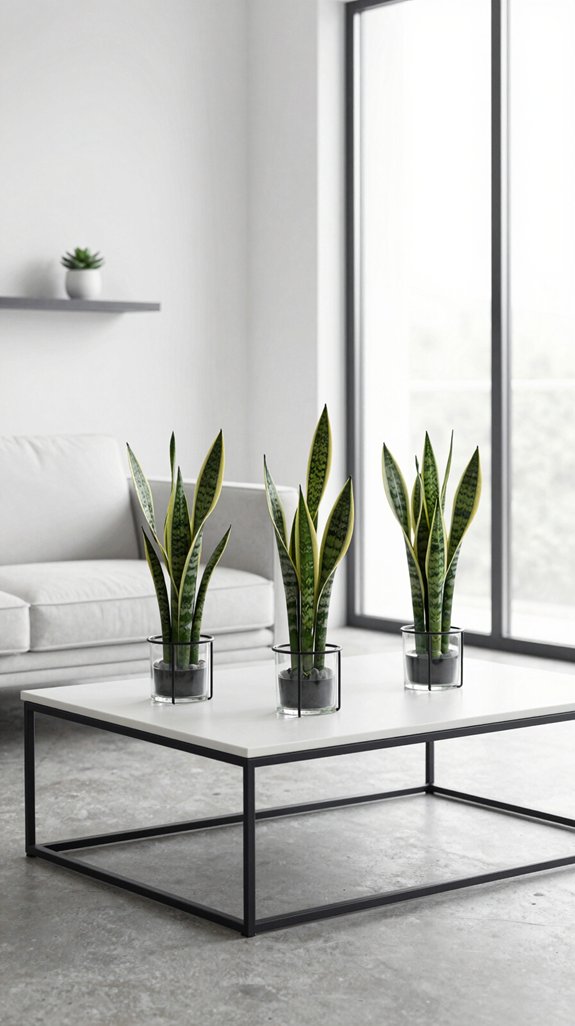
I keep the same sleek metal finish on my plant containers, so the greenery feels like an extension of the room’s hardware palette.
I choose low‑profile pots—matte black, brushed brass, or powder‑coated steel—that sit flush against a wall or console, letting the foliage hover without visual clutter. A single snake plant in a thin cylinder adds vertical interest while occupying minimal floor space.
I pair succulents with geometric terrariums that echo the room’s angular lines, creating a rhythm of shapes rather than a jungle. By limiting each container to one species, I maintain a clean silhouette and avoid competing textures.
The result is a living accent that feels engineered, modern, and effortlessly integrated into the overall minimalist scheme.
Outdoor‑inspired lanterns can add soft, diffused light that mimics natural twilight, enhancing the serene ambiance of a minimalist living room.
Build Built‑In Shelving That Follows Linear Flow
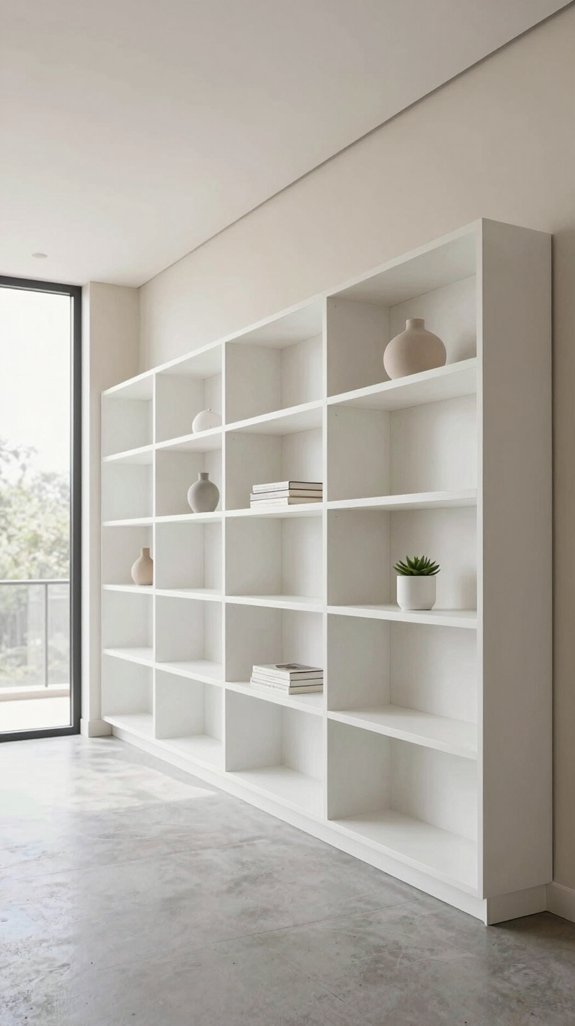
Create a seamless line of built‑in shelving that runs the length of your living‑room wall, and you instantly gain both storage and visual flow.
I choose a thin, floor‑to‑ceiling profile to keep the ceiling height intact while anchoring the room’s rhythm.
By aligning each shelf with the same horizontal axis, I let the eye glide across the space, reinforcing a minimalist aesthetic.
I opt for matte black or natural wood finishes that echo contemporary palettes, and I integrate hidden brackets for a floating illusion.
Adjustable dividers let me swap books, art, or tech without breaking the linear narrative.
The result feels airy, organized, and forward‑thinking—exactly the kind of sleek, functional elegance minimal design enthusiasts crave.
Add a dedicated plant shelf with vertical garden brackets to showcase greenery while maintaining the clean lines.
Arrange Layout to Balance Negative Space and Function
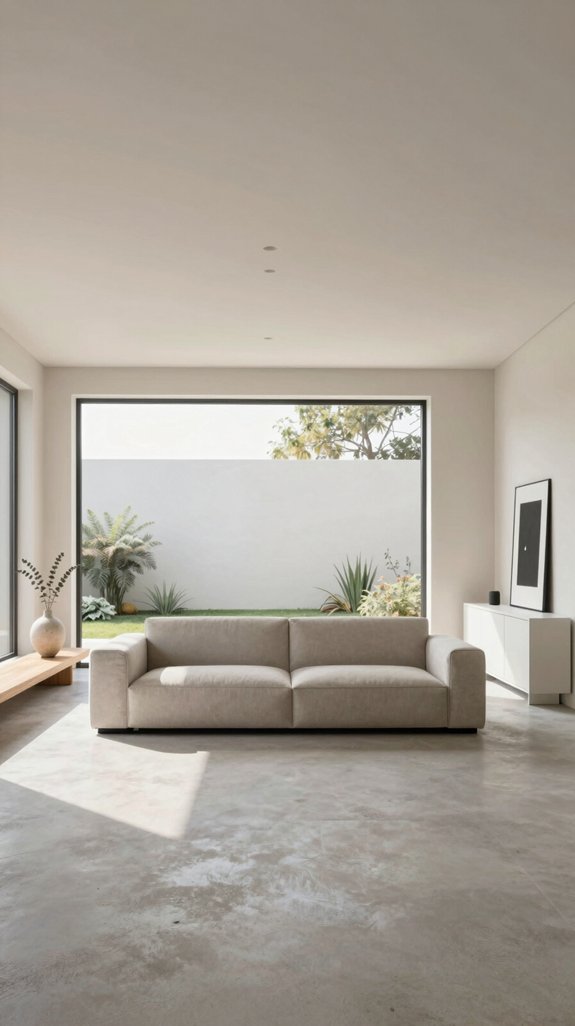
The built‑in shelves set a clean, linear backbone, so the next step is to let the room breathe by arranging furniture that respects both negative space and function. I start by mapping a visual grid: anchor a low-profile sofa along the wall, then float a sleek coffee table a few inches away to create breathing room. I place a single accent chair opposite the sofa, aligning its back with the shelf line to maintain continuity while preserving a clear pathway. I use a narrow console against the opposite wall, its depth limited to keep the floor visible. Finally, I add a floating rug that defines the seating zone without overwhelming the space, ensuring flow, utility, and a minimalist aesthetic coexist. A compact accent desk can serve as a functional side surface for small items. compact accent desks blend style with practicality in tight spaces.
Frequently Asked Questions
How Do I Maintain Minimalism With Pets in the Living Room?
I keep minimalism alive with pets by using sleek, hidden storage bins, washable neutral rugs, and streamlined furniture that doubles as cat‑perches; I schedule quick, daily clean‑ups, preserving space and style.
Can Minimal Design Accommodate a Home Office Setup?
I’ll tell you yes—minimal design can host a home office. I keep furniture sleek, use hidden storage, and choose neutral tones; the space feels airy, functional, and tech‑forward without sacrificing style.
What Flooring Options Best Suit a Minimal Living Room?
I recommend light hardwood, large-format tiles, or polished concrete—each creates sleek continuity, reflects natural light, and keeps the space uncluttered while allowing subtle texture and a modern, airy feel.
How to Choose Minimal Décor for a Small Budget?
I pick budget-friendly minimal décor by focusing on neutral tones, sleek storage pieces, and a few statement accessories; I prioritize multifunctional furniture, shop second‑hand, and stick to clean lines for a fresh, innovative look.
Is Minimalism Suitable for Families With Children?
I think minimalism works for families if you prioritize durable, easy‑clean pieces and keep clutter zones defined. I’ll choose modular furniture, hidden storage, and safe materials, so kids stay safe while the space feels spacious.