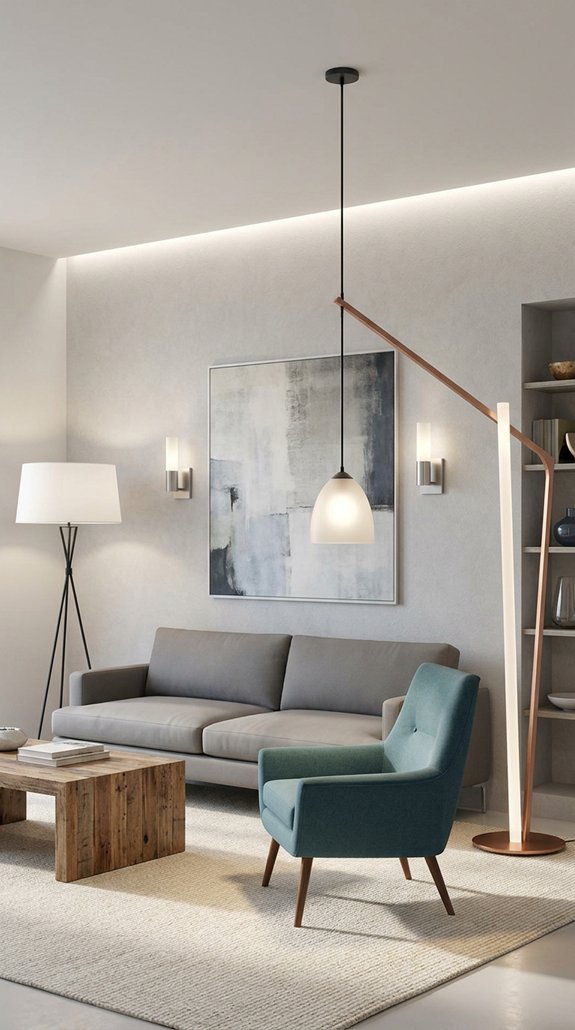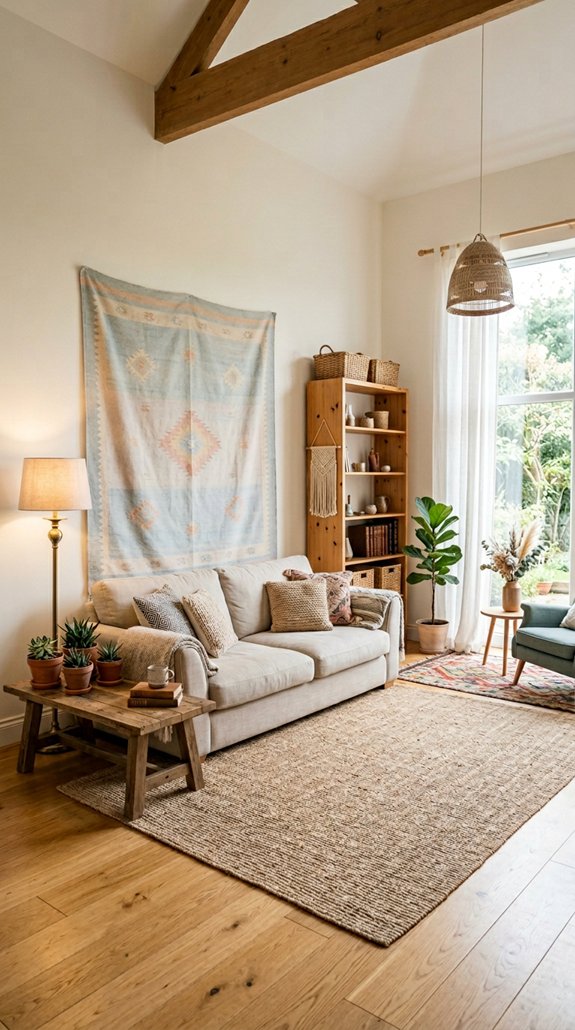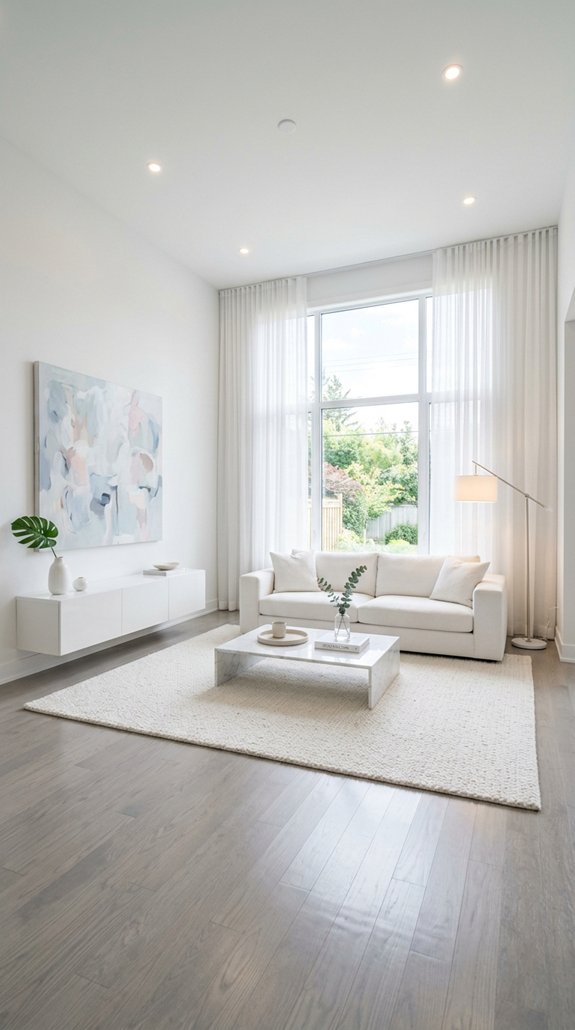
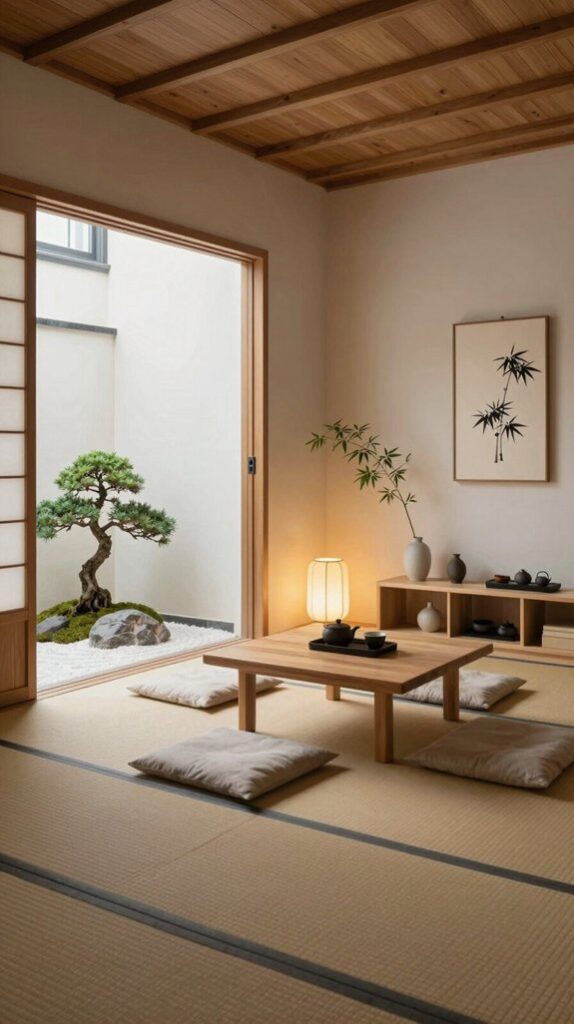
When designing a minimal Japanese living room, I prioritize simplicity and tranquility. I choose low-profile furnishings to make spaces feel airy and spacious. A calming color palette with earthy tones and soft whites enhances the serene ambiance. Large windows flood the room with natural light, while low-slung seating offers comfort. I incorporate nature through resilient plants and stone elements, ensuring functionality and aesthetic appeal. There’s so much more to explore in this design philosophy ahead.
Understanding Japanese Minimalism
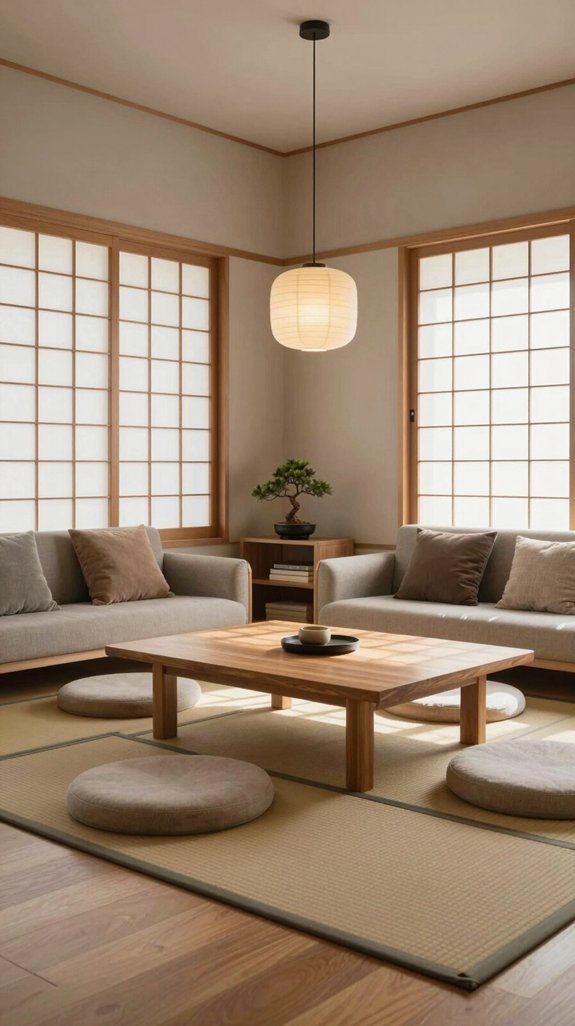
Understanding Japanese minimalism isn’t just about removing clutter; it’s a philosophy rooted in Zen Buddhism that transforms spaces into serene sanctuaries. This design ethos values simplicity, tranquility, and the beauty found in imperfection.
Every element in my living room serves a purpose, embracing the concept of ma—where strategic emptiness invites calm. I appreciate the wabi-sabi philosophy, celebrating natural materials and the fleeting nature of life, while the kanso principle guides my choices, ensuring each piece contributes meaningfully. Incorporating mid-century modern decor can enhance the minimalist aesthetic by combining function with timeless style.
Clean lines and organic touches connect me to nature, creating a timeless space that promotes mental clarity and fosters a deep sense of peace.

Low-Profile, Space-Opening Silhouette: Sized at 47.2"L x 23.6"W x 13.8"H to pair naturally with standard 3-seat and sectional sofas. The open 2-leg base keeps sight lines clear, making apartments, studios, and condos feel instantly more spacious and less cluttered.

Low-Profile, Space-Opening Silhouette: Sized at 47.2"L x 23.6"W x 13.8"H to pair naturally with standard 3-seat and sectional sofas. The open 2-leg base keeps sight lines clear, making apartments, studios, and condos feel instantly more spacious and less cluttered.
Embrace Low-Profile Furnishings for a Spacious Feel
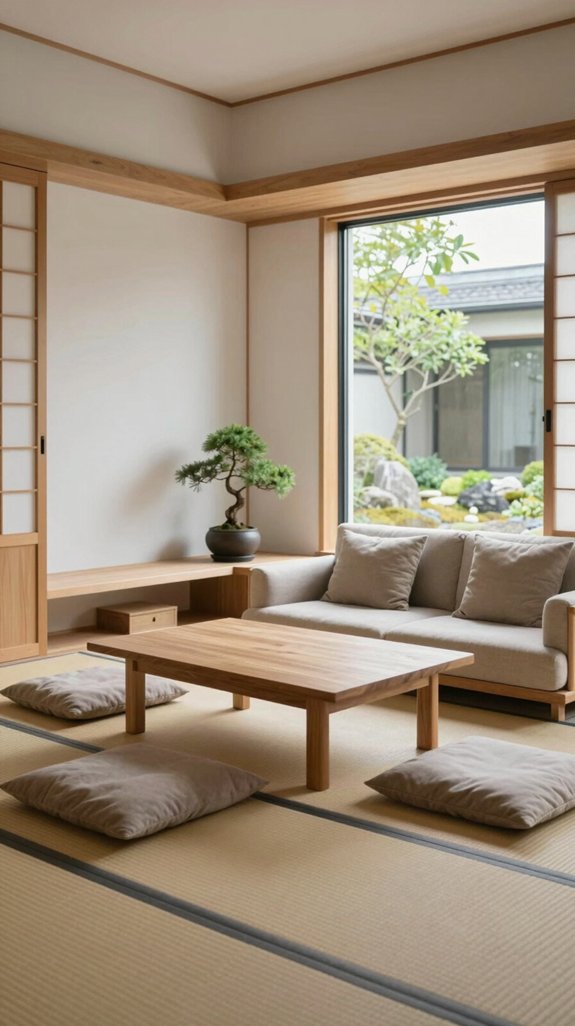
As I embraced low-profile furnishings in my living room, I noticed how they effortlessly create a sense of spaciousness.
The sleek sofa, with its clean lines and low-slung legs, pairs beautifully with a solid wood coffee table, enhancing the open flow.
Floor cushions and meditation chairs maintain an uncluttered aesthetic, inviting relaxation.
Using natural materials like bamboo and linen, each piece adds warmth while supporting minimal design.
This intentional arrangement emphasizes negative space, allowing my room to breathe.
With multifunctional storage solutions, I keep surfaces clear, ensuring that my living area remains serene and inviting.
Incorporating low-level sofas can further enhance the overall aesthetic and comfort of your space.

Modern Area Rug: This area rug is designed with a Bohemian and Moroccan style pattern using a combination of geometric lines and shapes, able to integrate into any interior design style easily, it can add elegance and fashion to your home space.
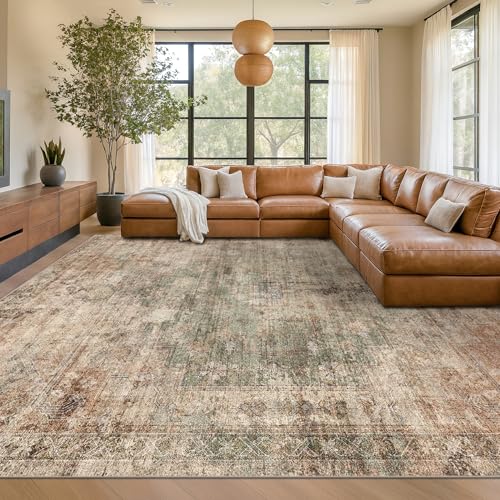
Effortless Maintenance & Machine Washable: This durable 8x10 large area rug is designed for high-traffic spaces like living room, dining room under table and bedroom under bed. Easily refresh with regular vacuuming or machine wash for deep cleaning—stays vibrant through everyday use

STYLISH DESIGN: This trendsetting striped area rug design in a rich warm color palette combination can be perfectly paired with a variety of home décor styles.
Choose a Calming Color Palette With Earthy Tones
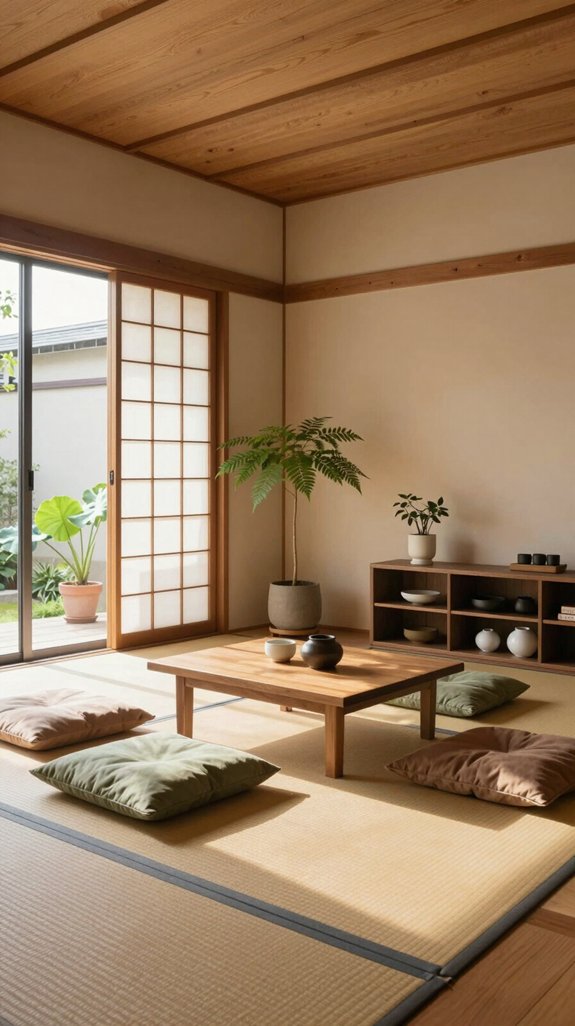
While selecting a calming color palette for my living room, I found that earthy tones effortlessly create a soothing atmosphere.
Soft whites and warm beiges form a minimalist backdrop, allowing natural materials to shine. I love incorporating deep browns and muted greens, which provide grounding warmth and sophistication.
To balance the lighter tones, I strategically add black accents, enhancing depth and timelessness. A few muted pops of soft blue or blush pink serve as accents, infusing character without overwhelming the serenity.
This harmonious blend not only reflects tranquility but also transforms my space into a peaceful retreat inspired by nature. Additionally, using realistic artificial plants allows for low-maintenance decor that complements the earthy tones beautifully.

Odor-Control & All-Day Comfort: Enjoy superior comfort with our men's ankle socks, crafted from soft, breathable, and moisture-wicking fabric that naturally resists odors, keeping your feet fresh throughout the day. Whether you're running, hiking, working out, or doing yard work, these socks keep your feet dry and comfortable.

Packing Includes:1* seat cushion .Material:Straw cover and Steel Frame

Japanese floor cushions for sitting:the surface is smooth without burrs and does not hurt your hip when you are sitting ,japanese seating mat
Optimize Natural Light With Large Windows
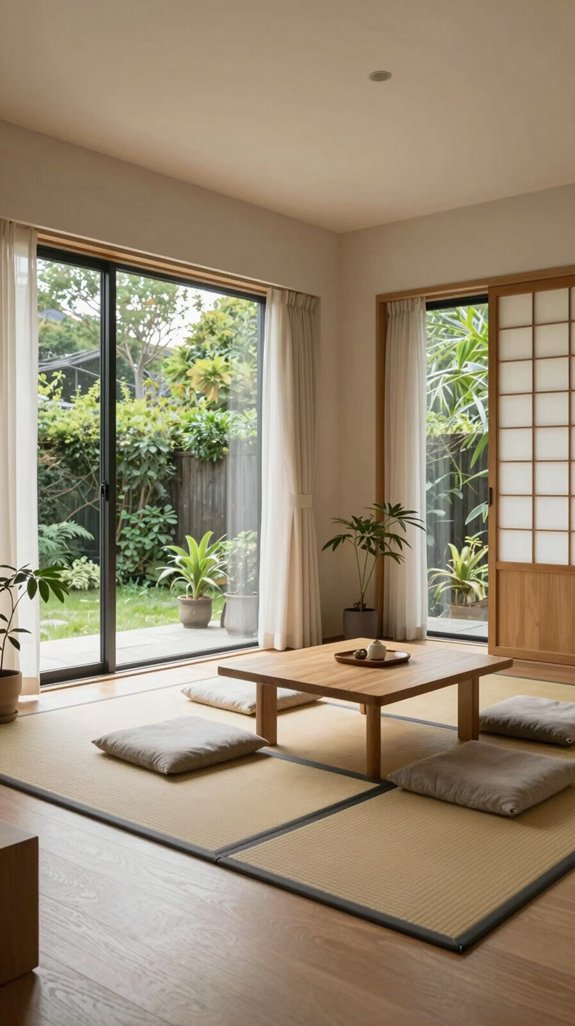
Large windows have completely transformed my living room, inviting an abundance of natural light that instantly elevates the space.
By maximizing glass surface area, I’ve eliminated dark corners and created a sense of spaciousness, making even modest rooms feel grand.
I strategically positioned south-facing windows to capture sunlight throughout the day, while soft, linen curtains regulate brightness without sacrificing privacy.
This connection to the outdoors enhances the airy feel, and light colors reflect the sunshine beautifully.
Natural light boosts my mood and energy, reducing my reliance on artificial lighting, which is a win for both my well-being and energy bills.
Incorporating creative accent walls can further enhance the aesthetic of your space, adding a unique focal point that complements the natural light.
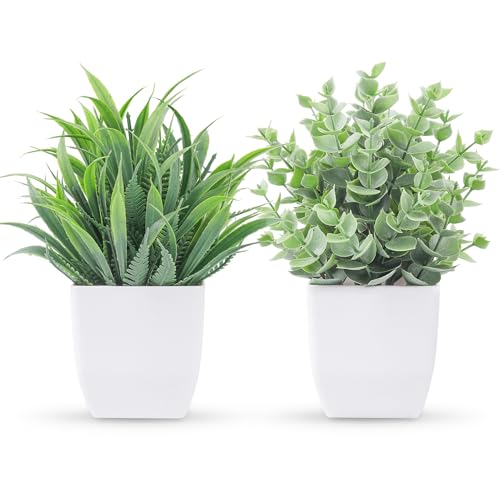
Compact Size for Small Spaces: The artificial potted plant measures about 7.18 inches tall, with a pot size of about 2.5 × 2.5 × 2.7 inches. Its compact size makes it easy to place on an office desk, shelf, bathroom counter, nightstand, coffee table, or kitchen corner without taking up too much space.

🌿LIFELIKE FAKE EUCALYPTUS PLANTS - Crafted with high-quality recyclable plastic,materials are safe and harmless for pets and kids. These fake plants feature a grayish-white coating that has a barely frosted eucalyptus look. Delicate structure and realistic textures make them lifelike and natural-looking, perfect for rustic farmhouse or modern minimalist decor.
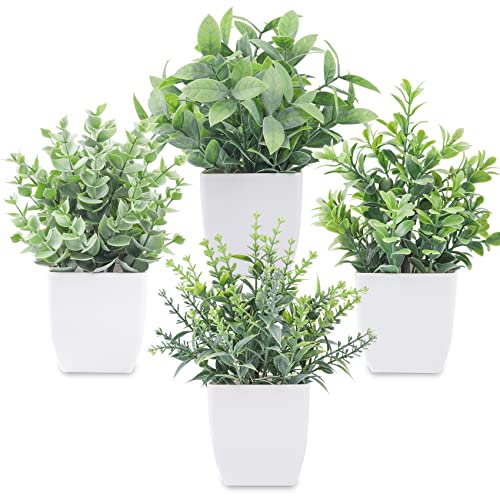
TRUE MINI SIZE, SET OF 4: Each faux plant is about 7 inches tall, with a 2.7-inch-tall white pot. These small fake plants are desktop-scale accents, not large floor plants. Place one on a bathroom counter, office desk, windowsill or shelf, or group all four for a fuller look. Please measure your space before buying.
Incorporate Low-Slung Seating for Comfort and Style
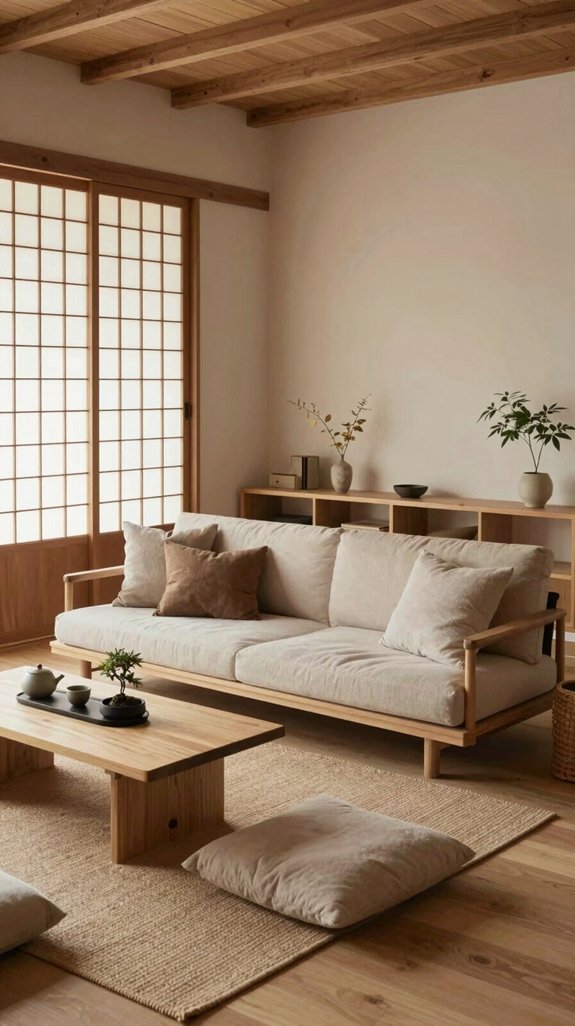
Incorporating low-slung seating into my living room hasn’t only enhanced its aesthetic appeal but also created a cozy, inviting atmosphere.
The low profile of my sofa harmonizes beautifully with shoji screens and wood grain floors, generating a warm, relaxing vibe. This design choice lowers my line of sight, making the ceiling feel higher and the space more expansive.
I’ve added floor cushions for a grounded, serene feel, perfect for casual gatherings. These minimalist pieces echo traditional Japanese customs while offering modern functionality, allowing for flexible layouts without clutter. Additionally, sofas scaled for apartment living are perfect for maximizing comfort in smaller spaces.
It truly transforms my space into a tranquil sanctuary.

MODERN AND STYLISH LOOK:Drawing inspiration from minimalist design, this triangular coffee table sets a modern foundation for your casual living room dining space. This mid-century modern coffee table will elevate your furniture and home style to a whole new level coffee tables for living room, reception room or office
MODERN AND STYLISH LOOK:Drawing inspiration from minimalist design, this triangular coffee table sets a modern foundation for your casual living room dining space. This mid-century modern coffee table will elevate your furniture and home style to a whole new level coffee tables for living room, reception room or office

MID-CENTURY MODERN COFFEE TABLE: This bamboo Coffee table is designed Z Shaped and features a corrugated glass tabletop for newspapers and magazines, but also combines modern and Bohemian elements to make the room more stylish. Perfect as the living room, bedroom, and office, etc.
Choose Simple Platform Beds for Japanese Minimalism
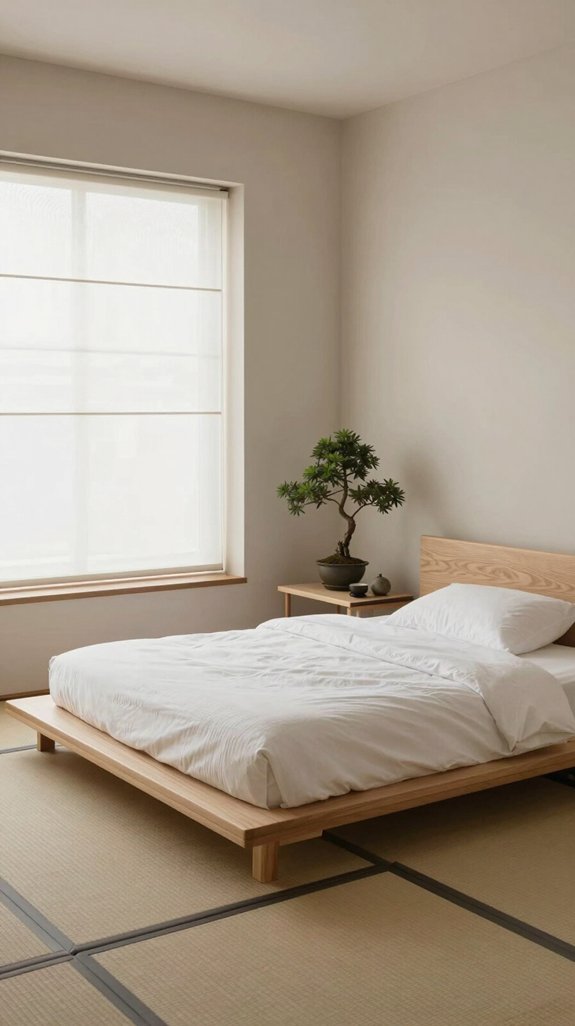
Embracing Japanese minimalism in my living space led me to choose a simple platform bed, which beautifully complements the low-slung seating I already adore.
The low-to-ground profile mirrors tatami mats, enhancing that serene aesthetic. I appreciate how the flush mattress sides are perfect for my compact urban apartment, while the firm base aligns my spine, reducing back pain.
Crafted from sustainable woods, these beds feature non-toxic finishes, ensuring a healthier environment. Plus, the tool-free assembly is a dream!
With options for customization, I can effortlessly integrate this timeless design into my space, merging tradition with modern living seamlessly. Additionally, selecting eco-friendly sofa frames for my seating further enhances the sustainability of my home.

Low-Profile 59-In Floor Sofa: Boneless couch with 11.8-in seat height; not standard-height seating. Ideal for floor lounging, kids' rooms, dorms & small spaces. 4-in-1 design converts from loveseat to floor couch, futon mattress or sleeper bed

Low-Profile, Space-Opening Silhouette: Sized at 47.2"L x 23.6"W x 13.8"H to pair naturally with standard 3-seat and sectional sofas. The open 2-leg base keeps sight lines clear, making apartments, studios, and condos feel instantly more spacious and less cluttered.
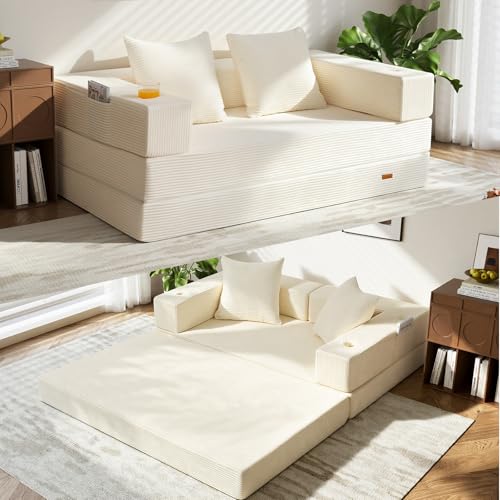
LOW-PROFILE FLOOR SEATING: Seat height is 11.8 in, lower than a standard sofa seat of 17 to 19 in; sits close to the floor for lounging, reading and gaming; place against a wall for back support
Implement Modular Designs for Versatile Living
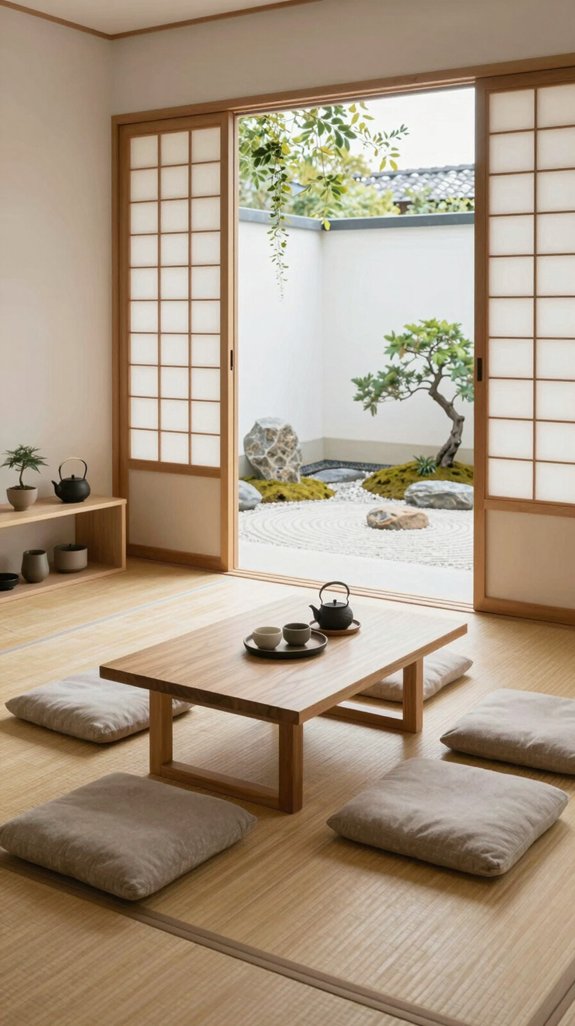
As I explore the beauty of modular designs, I find they offer an elegant solution for versatile living spaces.
Take the Milenio Modular Sofa, for instance; it features over seven reconfigurable modules that blend textures in a stunning Japandi style.
The Dublexo transforms effortlessly into beds or chaises, perfect for multifunctional washitsu areas.
Pairing the Osvald Sofa Bed with the Cornila Storage Ottoman not only creates stylish chaise lounges but also provides hidden storage.
Lightweight, movable ottomans and nesting tables enhance fluidity, allowing for effortless rearrangement, promoting both aesthetics and functionality in minimalist interiors.
Additionally, incorporating murphy beds for space-saving bedrooms can further maximize usable space in your design.
Modular designs truly redefine living.

【Machine Washable and Easy Care】 Vacuum or wipe regularly, or machine wash in cold water on the gentle cycle. Use a washer suitable for the rug’s size and avoid bleach. Lay flat or line dry.

[Striking Abstract Design]: Our abstract modern rug stands out with a striking mix of bold color blocks and eye-catching organic textures. It brings a touch of cutting‑edge elegance to living rooms, bedrooms, kids’ rooms and more, and fits right in with minimalist styles without even trying.

Modern Area Rug: This area rug is designed with a Bohemian and Moroccan style pattern using a combination of geometric lines and shapes, able to integrate into any interior design style easily, it can add elegance and fashion to your home space.
Create Subtle Space Divisions With Sliding Screens
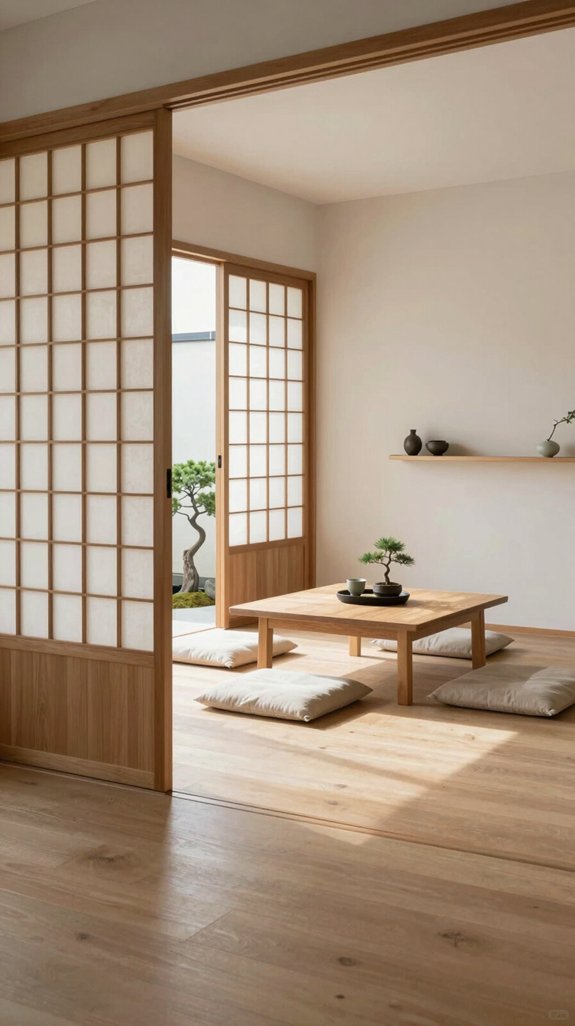
While exploring the elegance of Japanese design, I find that sliding screens, particularly shoji, offer an exquisite way to create subtle space divisions in a living area.
These translucent panels allow light to filter through while preserving privacy, striking a perfect balance. In open-plan spaces, they define zones without complete visual closure, maintaining an airy flow.
Their versatile designs adapt easily to various styles, enhancing both aesthetic appeal and energy efficiency.
I love how shoji screens not only serve functional purposes but also create tranquil atmospheres, inviting a sense of peace and contemplation into my home.

Ultra-Soft Comfort: Made with 80% bamboo viscose, these womens ankle socks feel naturally soft and smooth against the skin. The seamless toe helps reduce friction and irritation, providing a gentle, comfortable fit for everyday wear, walking, or light workouts

Boho Classroom Seating Pack: the set comes with 4 round woven floor cushions at a diameter of 11.81 in (30 cm); These kids floor cushions fit classroom reading corners, preschool play nooks and group circle seating perfectly, elevating the laid-back boho decor style of your classroom; Stack the spare classroom floor cushions neatly when not in use to conserve limited classroom space

Ultra-Soft Comfort: Made with 80% bamboo viscose, these womens ankle socks feel naturally soft and smooth against the skin. The seamless toe helps reduce friction and irritation, providing a gentle, comfortable fit for everyday wear, walking, or light workouts
Add Tatami Mats for Authentic Japanese Texture
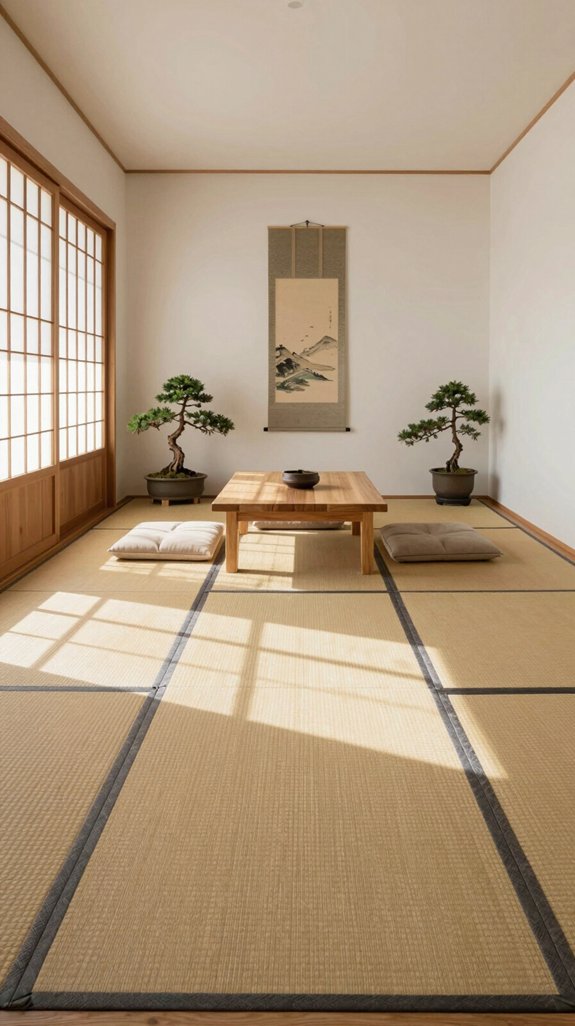
Integrating tatami mats into my living space instantly transforms the atmosphere, bringing an authentic Japanese texture that’s both inviting and serene.
The natural greenish hue of the igusa rush grass creates a calming palette, while the cushioned wara core offers delightful softness underfoot.
I love how these mats, typically measuring around 91 cm x 182 cm, fit seamlessly into my minimalist design.
The subtle scent of grass enhances the ambiance, making it feel organic and fresh.
Plus, tatami’s moisture-resistant barrier guarantees longevity, allowing me to enjoy their beauty and functionality for years to come in my contemporary home.
Additionally, choosing the right area rug size can significantly enhance the overall aesthetics of your space.
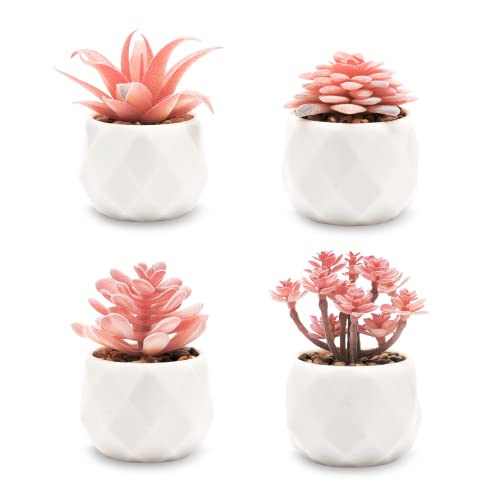
Aesthetic Succulents for Vibrant Living: Enhance your living spaces with these adorable small artificial plants from VIVERIE that are uniquely designed. This set of 4 succulent plants come in white ceramic pots that measure 5.5 x 5.5 x 9 cm / 3.3 x 2.2 x 3.5 inches.

6 plants,more spaces to style: Includes six different mini artificial succulents to display together or spread across desks, shelves and bathroom counters. Each plants is about 3.14" tall (1.77" pot) in white plastic pot, and comes ready to display.

Unique Design: These small fake plants include 3 black Human-Shaped Pots, and the desk plants' surface covered with flocking coating material to make it more lifelike
Select Minimalist Decor With Clean Lines
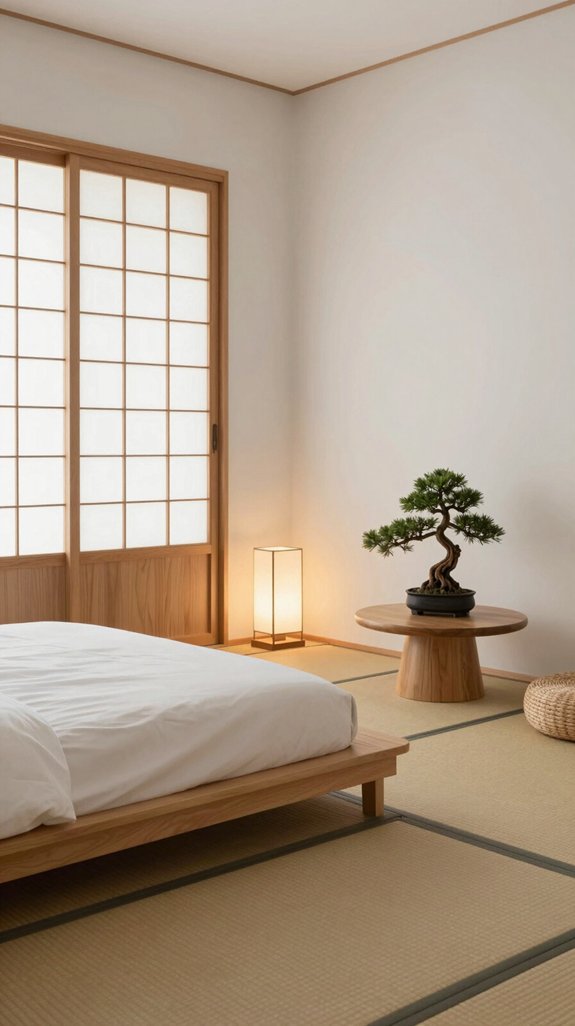
Tatami mats set the stage for a living room that embraces the beauty of minimalism, making it the perfect backdrop for selecting decor with clean lines.
I love low-profile furniture, like sleek platform beds and low-slung sofas, which foster a sense of openness. Choosing pieces with straight lines and occasional soft curves promotes tranquility, while natural materials like wood and bamboo enhance warmth.
I opt for neutral color palettes—muted tones create a serene atmosphere. By avoiding heavy patterns and superfluous elements, I guarantee my space feels airy and inviting, embodying the essence of modern Japanese design. Incorporating minimalist Japanese-inspired bed designs can further elevate the simplicity and elegance of the overall aesthetic.

DURABLY DESIGNED – Crafted from Solid Wood and MDF/Veneers for long-lasting quality

【MDF DENSITY BOARD】The desktop of nesting coffee table is made of high-quality MDF density board, which ensures long-term use without deformation, and is waterproof, scratch-proof and collision-proof, which can perfectly resist daily wear and tear.This side tables and coffee table set is not natural wood. Please choose carefully before buying.
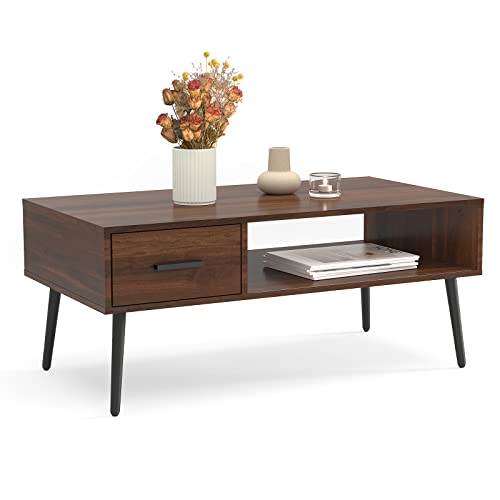
【Mid Century Modern Coffee Table】 Whether you're looking for someplace soft to rest your feet or for a formal finishing touch, this vintage and stylish coffee table can also as a TV stand to accentuate your living room, matched seamlessly with different styles of furniture decoration in different rooms
Achieve Visual Harmony Through Balanced Decor Choices
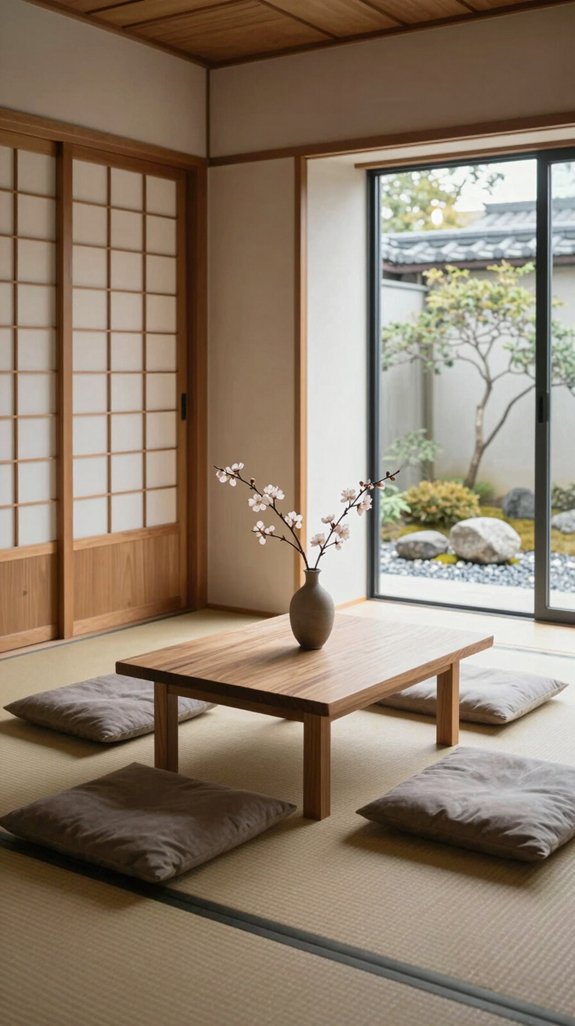
To create a balanced decor that fosters visual harmony, I focus on the careful selection of elements that resonate with the serene ethos of Japanese design.
I embrace neutral color palettes—crisp whites, soft beiges, and earthy browns—that cultivate tranquility. Natural materials like wood and bamboo add warmth and texture, enhancing the inviting atmosphere.
I emphasize light and shadow, allowing generous natural light to create airy spaces, while soft lanterns offer gentle illumination. Additionally, incorporating compact accent desks can introduce functionality without compromising the minimalist aesthetic.
Integrate Plant Life for a Connection to Nature
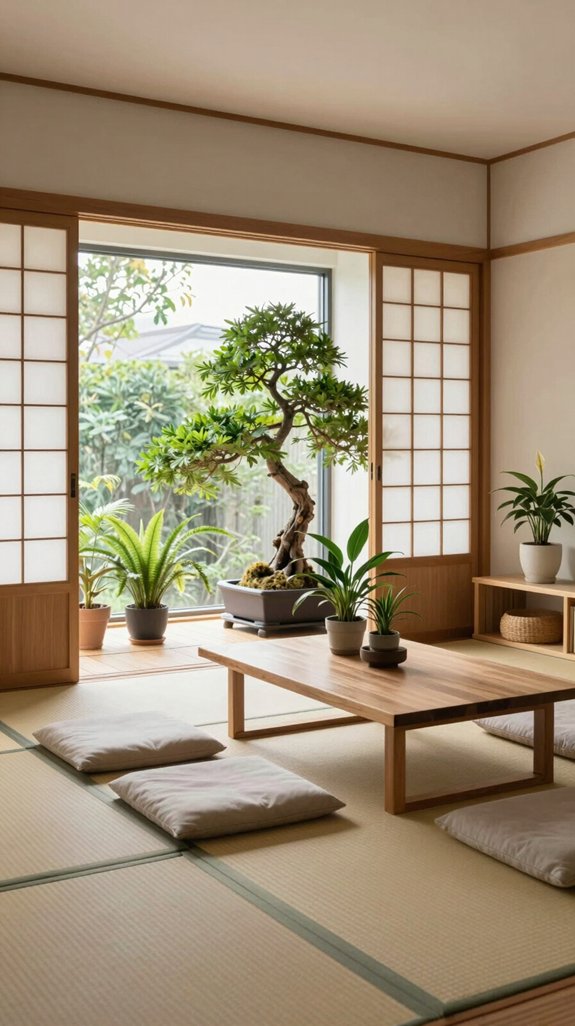
While creating a serene living space, I find that incorporating plant life not only enhances the aesthetic but also fosters a deep connection to nature.
Selecting plants like the elegant Ficus benjamina or resilient ZZ plant adds air-purifying benefits while maintaining a minimalist vibe. I love displaying trailing Pothos to soften rigid lines and using large, statement plants in corners to replace bulky furniture.
For pots, I choose neutral ceramics or natural fiber baskets that seamlessly blend into my décor. This intentional placement of greenery not only beautifies my space but also invites a sense of tranquility and organic warmth. Additionally, using stylish indoor plant stands can elevate the visual interest of your plant displays, making them a focal point in your room.
Use Soft Lighting to Create a Calm Ambiance
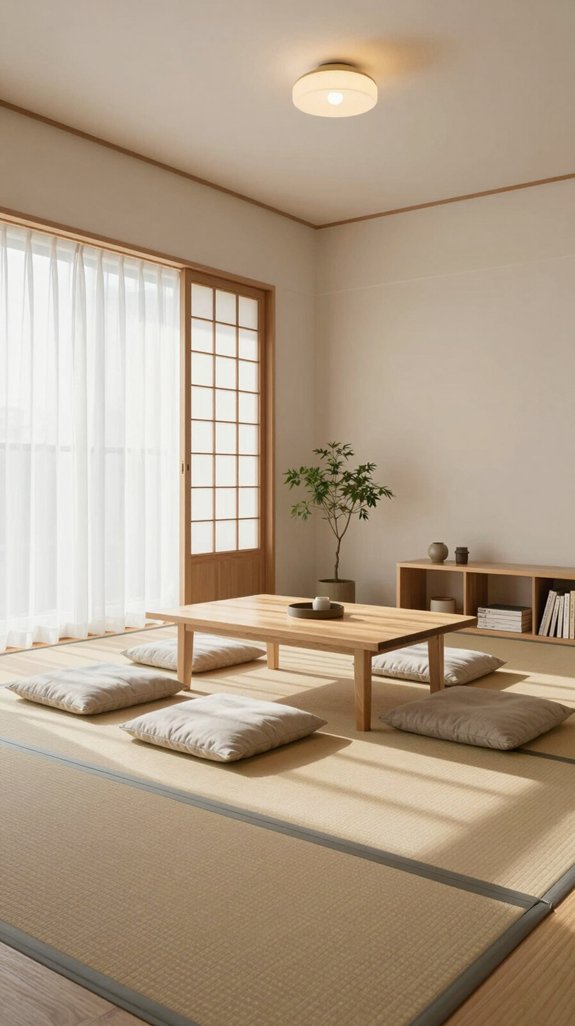
Creating a calm ambiance in my living space becomes effortless when I embrace soft lighting.
I opt for warm, filtered light that soothes the senses, avoiding harsh brightness. Using washi paper lamps and Akari sculptures, I invite gentle illumination that envelops the room.
I strategically place pendant lights at eye level, enhancing intimacy while maintaining tranquility. Dimmer switches offer flexibility, adapting the mood to my activities.
Natural materials like wood and bamboo in my fixtures harmonize with the minimalist aesthetic, reducing visual noise. Additionally, air purifiers can enhance indoor air quality, contributing to a more serene atmosphere.
Together, these elements create a serene environment, inviting relaxation and reflection into my daily life.
Create Clutter-Free Spaces for Serenity
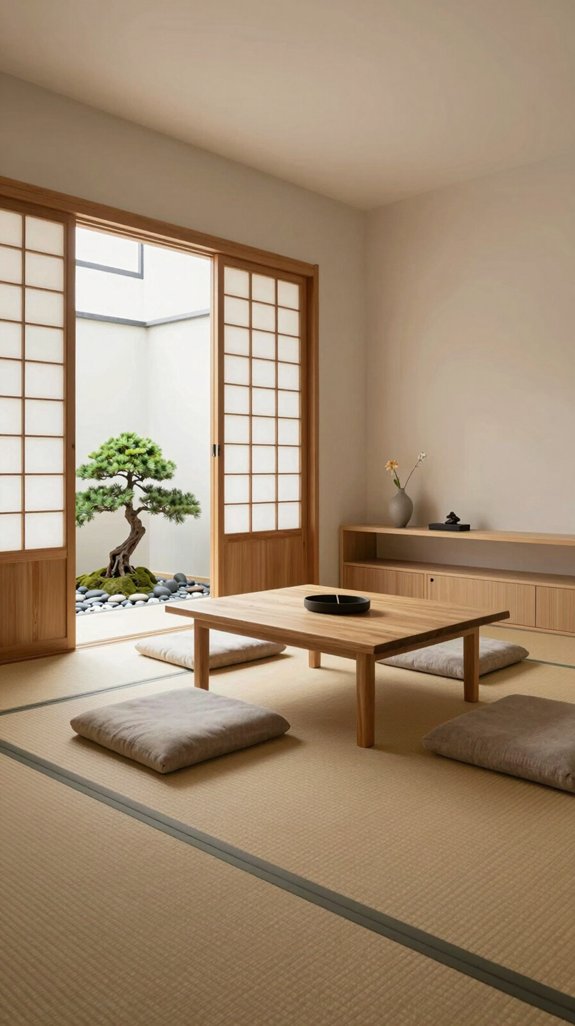
As I begin to declutter my living room, I realize that each item should serve a purpose or bring me joy, transforming the space into a sanctuary of serenity.
I evaluate my furniture, removing anything unused, like empty cabinets, to open the floor. I replace busy prints with soft, solid colors, creating a calming atmosphere.
Emphasizing clean lines and multifunctional pieces, I choose low-profile seating that fits my lifestyle. Using sustainable materials, I embrace natural textures, all while fostering a mindful flow. To enhance the organization of the space, I incorporate stylish storage baskets for cozy throws and blankets, which not only keep the area tidy but also add a decorative touch.
This balance of emptiness and simple beauty cultivates tranquility, allowing me to enjoy a clutter-free retreat.
Bring Nature Indoors With Stone Elements
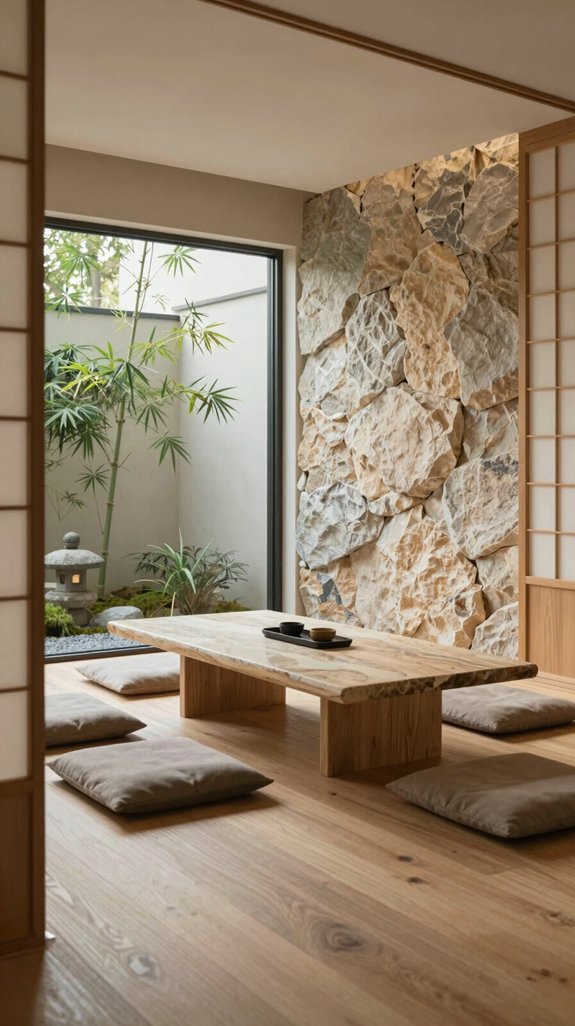
After achieving a clutter-free living room, I find that bringing nature indoors through stone elements enhances the sense of calm and grounding in the space.
Integrating natural stones like granite or limestone as a coffee table or accent wall introduces earthy textures that resonate with my minimalist aesthetic. I love how these unique pieces celebrate imperfections, embodying the wabi-sabi philosophy.
Pairing stone with warm wood creates a harmonious balance, while stone’s durability guarantees longevity. The use of 3D wall art can further enhance the visual impact, adding depth and intrigue to the overall design.
Whether I choose elegant marble or budget-friendly ceramics, the result is always a serene sanctuary that invites tranquility and innovation into my home.
Opt for Functional Furniture With Straight Lines
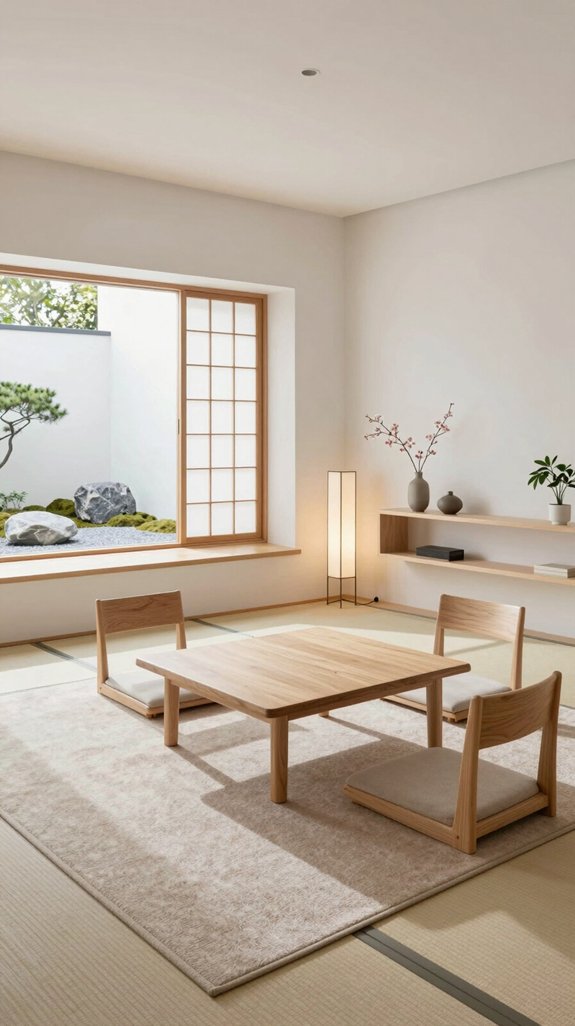
While I appreciate the beauty of organic forms, I find that opting for functional furniture with straight lines brings a rejuvenating clarity to my living room.
Low-profile sofas and minimalist coffee tables not only create an inviting atmosphere but also make the space feel larger. The clean lines of these pieces, often crafted from sustainable woods, add a touch of sophistication without cluttering my environment.
I love how multi-functional designs—like low tables that double as desks—maximize utility while maintaining a sleek aesthetic. This balance of form and function truly embodies the essence of Japandi style, creating harmony in my home. Additionally, incorporating tuxedo-style sofas with straight arms and backs can elevate the overall aesthetic while providing comfort and support.
Design Open Floor Plans for Airiness
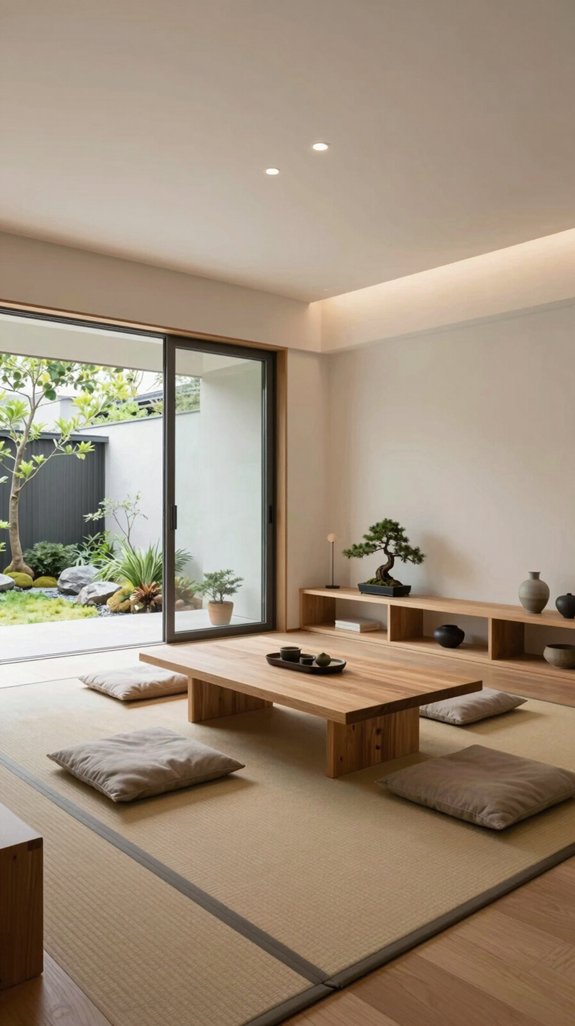
Incorporating functional furniture with straight lines naturally leads me to explore the benefits of open floor plans, which breathe airiness into my living space.
By eliminating walls, I create an illusion of spaciousness, allowing natural light to flood in and brighten every corner. This layout not only maximizes my square footage but also encourages a flexible arrangement of furniture.
I’ve strategically placed area rugs to define zones while maintaining an open ambiance.
Though trends may shift, I find that an airy environment enhances comfort and functionality, making my home a welcoming oasis for both relaxation and creativity. Additionally, using creative room dividers can help maintain privacy without sacrificing the open feel.
Frequently Asked Questions
How Can I Incorporate Japanese Minimalism in a Small Apartment?
I incorporate Japanese minimalism by choosing light colors, multifunctional furniture, and natural materials. I maximize space with low-profile designs and clever storage, creating a serene, clutter-free environment that feels both spacious and inviting.
What Are the Best Plants for a Japanese Minimalist Living Room?
For a Japanese minimalist living room, I love incorporating Snake Plants for their air-purifying qualities, Peace Lilies for elegant blooms, and Fiddle Leaf Figs as striking focal points, creating a serene, balanced atmosphere.
How Do I Maintain a Clutter-Free Space in Daily Life?
Did you know that a clutter-free environment can boost productivity by 20%? I maintain my space by resetting nightly, embracing the “one in, one out” rule, and dedicating time for quick organizing bursts throughout the day.
Can I Mix Traditional and Modern Japanese Design Elements?
Absolutely, I blend traditional and modern Japanese design elements effortlessly. I choose handcrafted pieces alongside sleek furniture, creating an inviting harmony. It’s all about balance, ensuring each element resonates with beauty and purpose in my space.
What Accessories Complement a Japanese Minimalist Living Room?
In my minimalist living room, I love incorporating bamboo accents, soft washi lamps, and serene bonsai trees. These accessories not only enhance beauty but also symbolize harmony, inviting tranquility and mindfulness into my space.