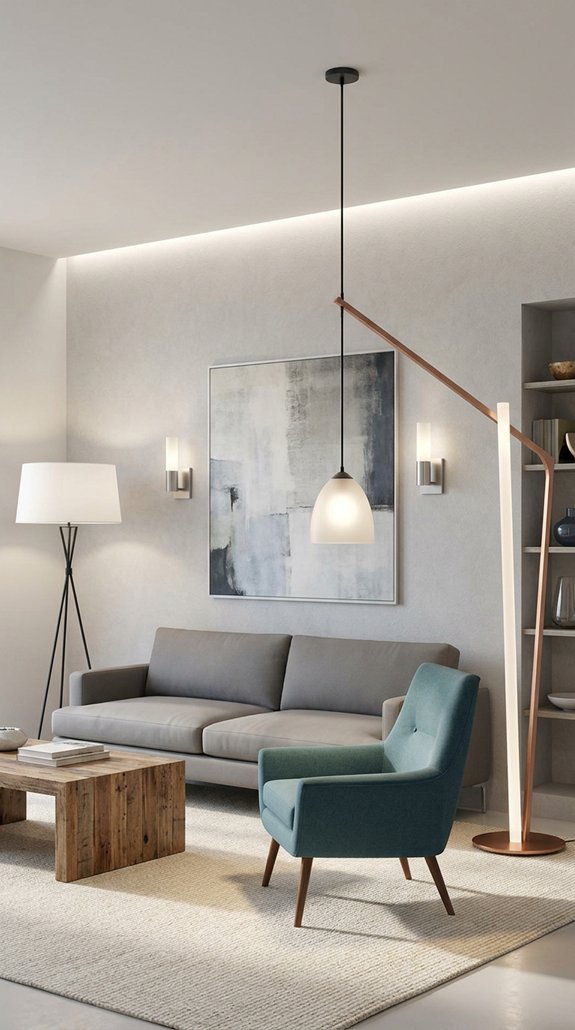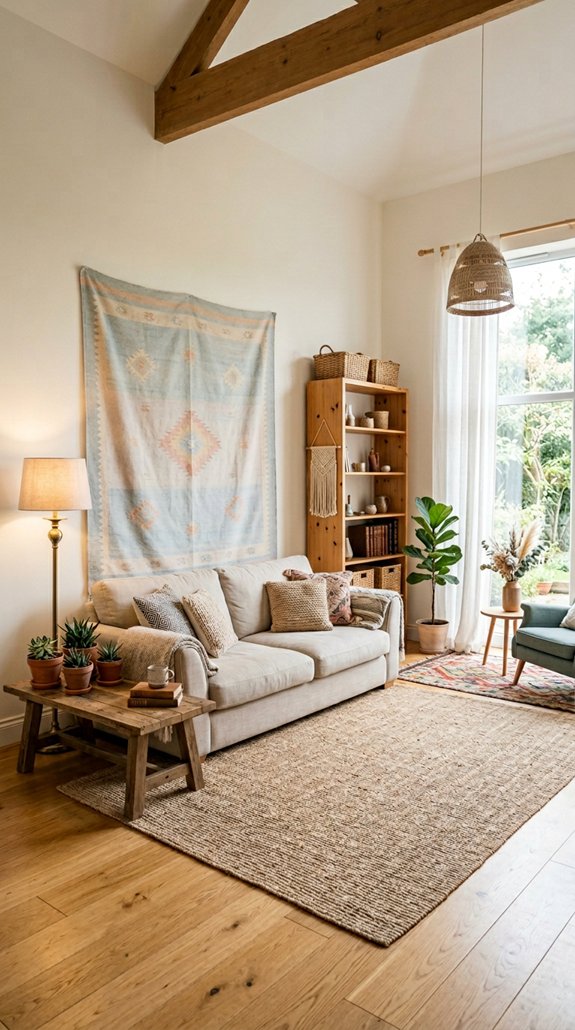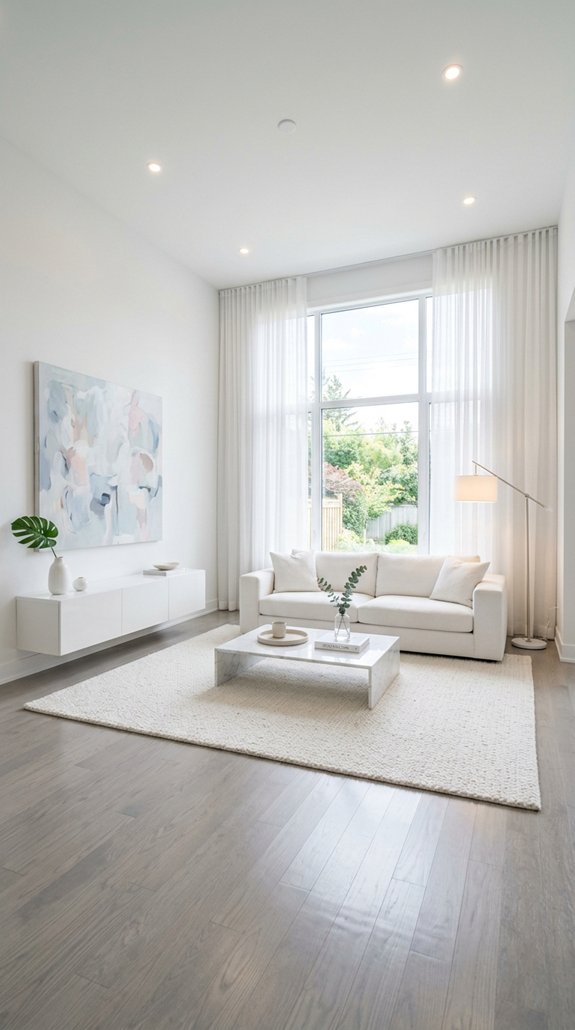
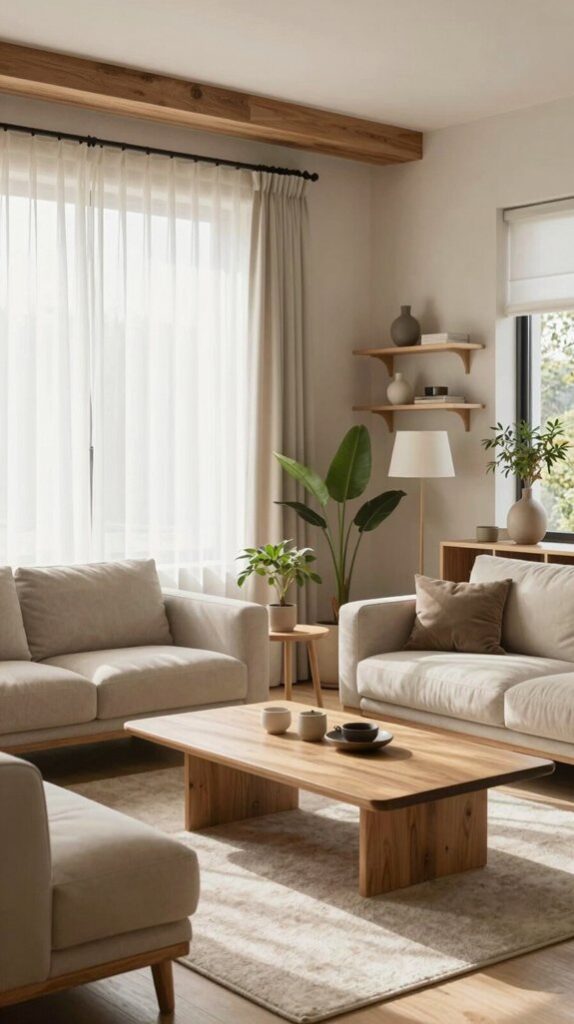
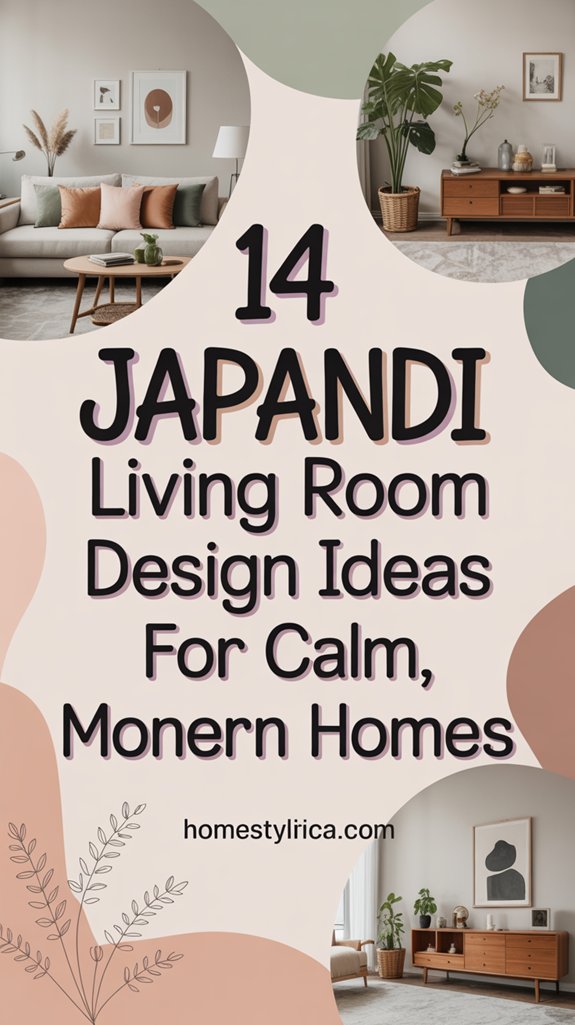
Japandi design beautifully merges Japanese minimalism with Scandinavian warmth, creating a calm, inviting living room. I love using low-profile sofas paired with natural materials like light woods and soft linens for warmth. Smart storage solutions, like hidden compartments in ottomans, keep the space clutter-free. Neutral color palettes enhance serenity, while layered lighting adds depth and comfort. Incorporating inviting nooks and shoji screens fosters privacy and aesthetic appeal. If you want to explore more ideas, keep going.
Understanding the Principles of Japandi Design
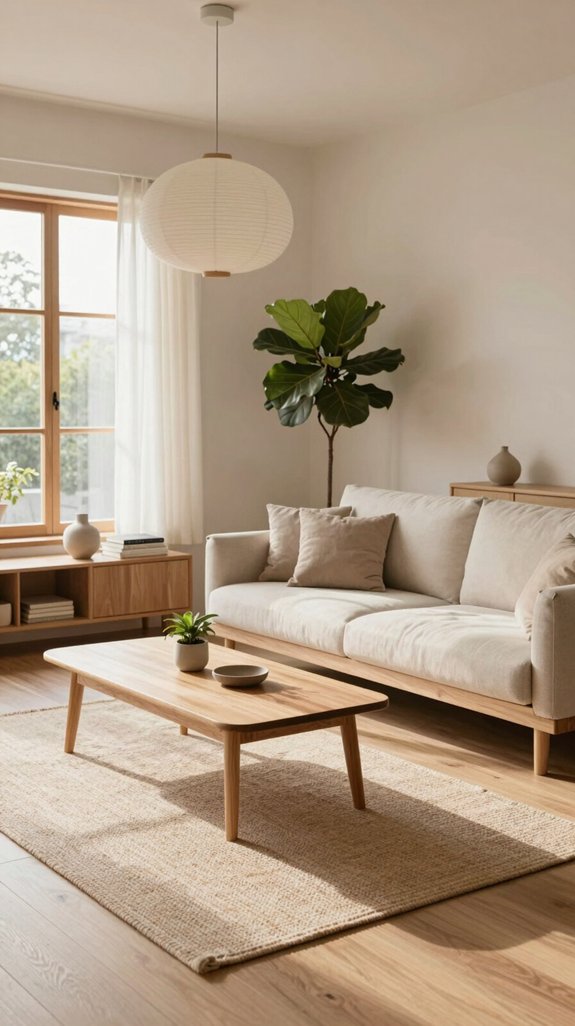
When you immerse yourself in Japandi design, you’ll quickly notice how it beautifully merges Japanese minimalism with Scandinavian coziness.
This style champions simplicity and serenity, rooted in the wabi-sabi philosophy that embraces imperfection. By prioritizing functionality and respect for nature, Japandi transforms spaces into tranquil retreats.
You’ll find clean lines and gentle curves, with intentional negative space promoting a sense of calm. The focus on high-quality, meaningful pieces over excess guarantees an uncluttered environment.
Ultimately, Japandi invites you to celebrate both the rustic charm of Nordic elements and the sleekness of Japanese interiors in a harmonious balance.

Low-Profile 59-In Floor Sofa: Boneless couch with 11.8-in seat height; not standard-height seating. Ideal for floor lounging, kids' rooms, dorms & small spaces. 4-in-1 design converts from loveseat to floor couch, futon mattress or sleeper bed

LOW-PROFILE FLOOR SEATING: Seat height is 11.8 in, lower than a standard sofa seat of 17 to 19 in; sits close to the floor for lounging, reading and gaming; place against a wall for back support

Low-Profile 59-In Floor Sofa: Boneless couch with 11.8-in seat height; not standard-height seating. Ideal for floor lounging, kids' rooms, dorms & small spaces. 4-in-1 design converts from loveseat to floor couch, futon mattress or sleeper bed
Embrace Low-Profile Sofas for a Sleek Look
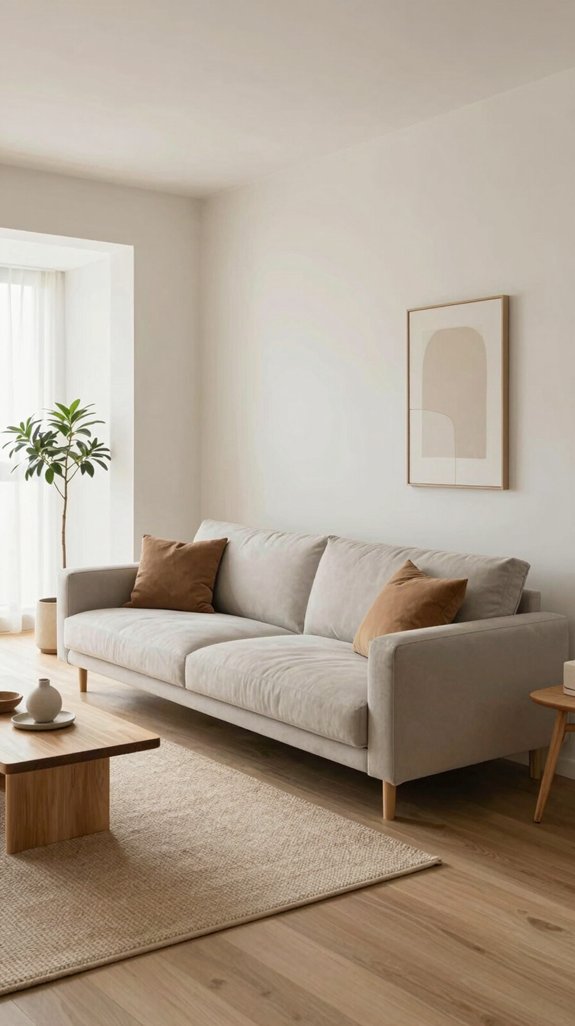
To achieve a sleek and modern aesthetic in your living room, embracing low-profile sofas is essential. These designs sit closer to the ground, often featuring hidden legs, creating a contemporary visual effect. Perfect for compact spaces, they enhance the illusion of openness and draw inspiration from traditional Japanese furniture. Pair your low sofa with natural fabrics like linen or wool, and consider a soft-curved armchair for added comfort. This minimalist approach not only anchors your room but also promotes effortless movement and conversation, ensuring a serene and functional living area that embodies the best of Japandi style. Additionally, incorporating sofas with low-height frames can further enhance the seamless flow of your space.

Elegant Design: This coffee table features a sleek, modern design with a tempered glass tabletop and MDF legs for a touch of sophistication.

Farmhouse Boho Style: The engineered wood tones and distinctive rattan design give this rectangular coffee table a natural, warm charm, making it a perfect fit for coastal, boho, or farmhouse living rooms

【North American FAS-Grade Oak】Built with only the FAS solid oak, this table guarantees exceptional durability and longevity. There are 0 veneers or engineered woods—just pure, real wood that stands up to the demands of everyday use.
Choose Natural Materials for Warmth and Texture
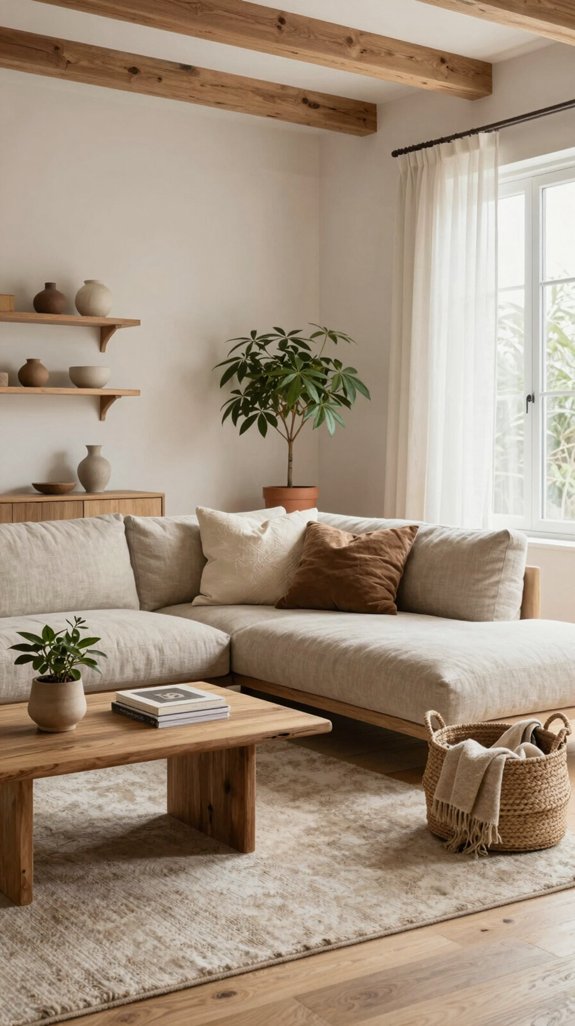
Low-profile sofas create a sleek foundation for your living room, but they shine even brighter when paired with natural materials that add warmth and texture.
Incorporating light woods like birch or darker tones such as walnut establishes a beautiful balance. I love using raw stone elements to connect with nature, while the tactile charm of linen and organic fabrics enhances comfort.
Rattan and bamboo introduce organic shapes that harmonize with minimalism, and handcrafted ceramics provide curated authenticity. Charming Ceramic Decor can elevate your space, adding a unique touch that resonates with the overall aesthetic.
Each element not only complements the aesthetic but also fosters an inviting atmosphere, embodying the essence of Japandi design.

CHOOSE THE RIGHT SIZE : 1 package contains 1 cushion covers. Each measures up to 24-26 inch length, 24-26 inch wide, 2-7 inch thickness. To ensure the best fit, please measure your cushion before purchase.

Material: Made of High quality durable linen blend, comfortable to touch and lay on. Quality fabric, hide your old pillow patterns perfectly. This material does not pilling or shedding, and holding up well after long time of use

Premium Material: The sofa cover is made of high-quality chenille fabric, feels soft and comfortable, durable. Triple encryption of selected textured chenille fabric, fine yarn manufacturing, edge stitching tight and neat, beautiful color, high gram weight fabric soft skin-friendly, double-sided available, four seasons.The sofa covers washable is not only for the sofa to put on a delicate coat to but also protect the sofa daily wear and tear and pet scratching.
Smart Storage Solutions for a Clutter-Free Environment
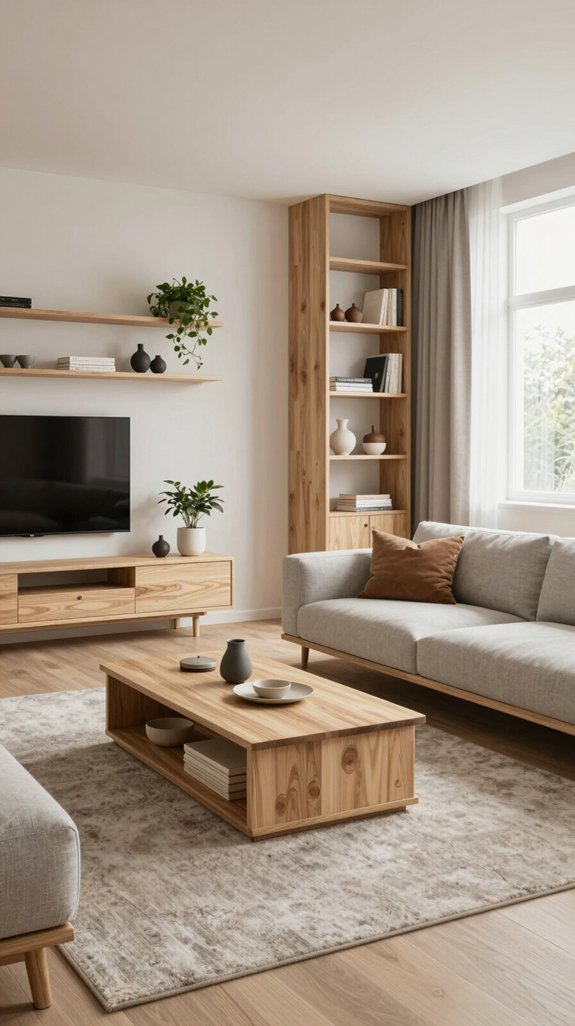
Even if your living room is small, smart storage solutions can transform it into a clutter-free oasis.
Consider multi-functional furniture like ottomans with hidden compartments or coffee tables with lift-tops for concealed shelving. Built-in shelving integrates seamlessly into the walls, maximizing vertical space while keeping clean lines.
Wall-mounted and floating shelves elevate less-used items, maintaining an airy atmosphere. I love using woven baskets to discreetly store throws and miscellaneous objects, adding texture that complements Japandi aesthetics. Incorporating ottomans with hidden storage can further enhance your living space by providing stylish seating while discreetly hiding away everyday items.
These innovative storage options not only enhance organization but also promote a serene, minimalist environment that feels both modern and inviting.

4-panel room divider screen with fiber glass like heavy duty rice paper;

4-panel room divider screen with fiber glass like heavy duty rice paper;

4-panel room divider screen with fiber glass like heavy duty rice paper;
Use Neutral Color Palettes for a Serene Environment
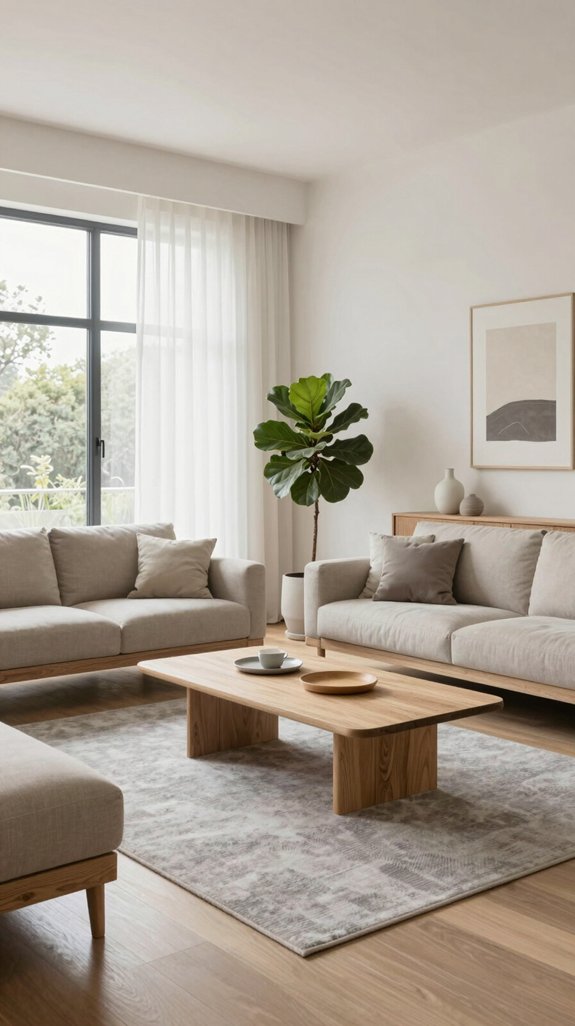
A serene living room starts with a carefully curated neutral color palette that invites calmness and tranquility.
I love using soft whites, muted taupes, and earthy greys as a base, creating a minimalist backdrop. Layering different shades of these neutrals, like warm beige with gentle charcoal, adds depth.
Black accents, such as sleek metal shelving, provide a striking contrast while maintaining a timeless feel. Incorporating natural materials, like wood and linen, enhances texture and warmth.
Finally, I opt for soft lighting fixtures to create a soothing atmosphere, ensuring my space feels both innovative and inviting. Additionally, selecting the right area rug size can significantly influence the overall harmony and comfort of the space.

Rustic and Modern Design: Elevate your home with the timeless appeal of this swivel barrel chair. Featuring a natural rattan frame paired with luxurious brown leather, this rattan accent chair strikes the perfect balance between rustic charm and modern sophistication, offering an organic yet polished look for any space

Natural Mid-Century Modern Charm: Featuring an open-frame silhouette, handcrafted woven cane side panels, a slatted wood back, and soft cream white linen upholstery, this mid-century modern accent chair brings a fresh, natural look to your home. The light wood frame and clean-lined arms create a relaxed, organic modern feel for any cozy corner

Woven rattan cane back, with solid wooden frame and legs.
Incorporate Japanese Design Elements for Authenticity
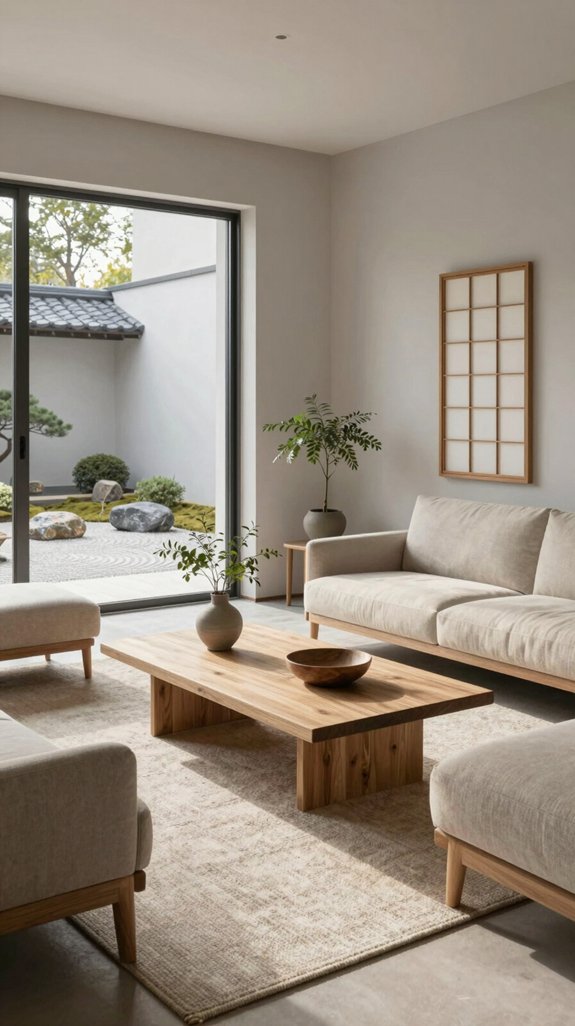
To elevate the serenity of my living room, I love incorporating traditional Japanese design elements that bring authenticity and a sense of harmony.
Natural wood features, like cypress and red pine, create warmth, while tatami mats ground the space, enhancing its openness.
I also appreciate the functionality of shoji screens, which gracefully divide areas while inviting light in.
Low platform furniture, such as zaisu and kotatsu, fosters a minimalist aesthetic, allowing the room to breathe.
With a focus on earth tones and meaningful decor, I achieve a tranquil environment that celebrates both innovation and the timeless beauty of Japanese craftsmanship. Additionally, incorporating chic compact accent desks can enhance the functionality of the space without overwhelming it.
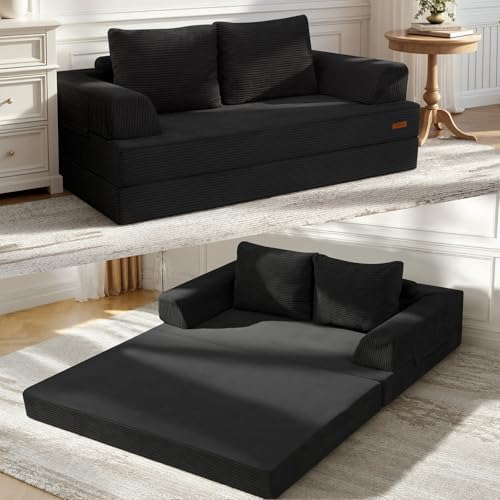
Low-Profile 59-In Floor Sofa: Boneless couch with 11.8-in seat height; not standard-height seating. Ideal for floor lounging, kids' rooms, dorms & small spaces. 4-in-1 design converts from loveseat to floor couch, futon or sleeper bed

LOW-PROFILE FLOOR SEATING: Seat height is 11.8 in, lower than a standard sofa seat of 17 to 19 in; sits close to the floor for lounging, reading and gaming; place against a wall for back support

Low-Profile 59-In Floor Sofa: Boneless couch with 11.8-in seat height; not standard-height seating. Ideal for floor lounging, kids' rooms, dorms & small spaces. 4-in-1 design converts from loveseat to floor couch, futon mattress or sleeper bed
Maximize Natural Light in Your Living Room
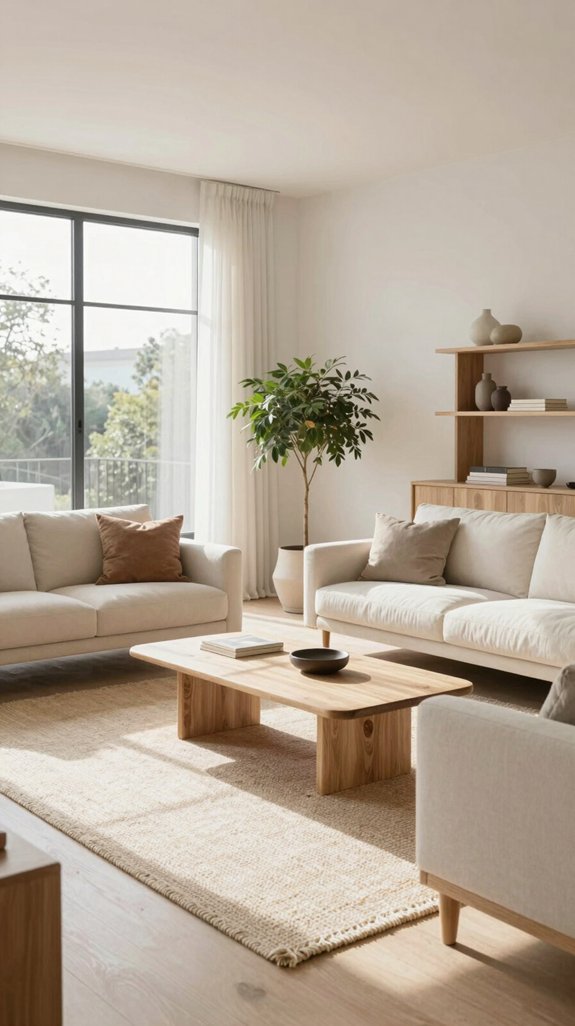
While I appreciate the serene ambiance of my Japandi-inspired living room, maximizing natural light has been a game changer for enhancing its overall aesthetic.
I’ve strategically positioned large windows and incorporated skylights, allowing sunlight to flood the space. This natural light reveals the rich tones of my materials and highlights architectural features, creating depth and vibrancy.
Not only does this boost my mood and well-being, but it also reduces my reliance on artificial lighting, lowering energy costs. Additionally, incorporating bamboo window shades can provide an elegant solution for natural light filtering while maintaining privacy.

Modern Design: Elevate your living room or office with our Lift Top Coffee Table. The fluted panel design is unique and elegant, while the wood grain table top creates the natural beauty of a rustic coffee table. The mid-century design makes the coffee table more modern, providing the perfect blend of style and functionality.

Style Reigns: Discover the MAEZO Collection—a furniture line featuring streamlined designs, tapered legs, and smooth, curved transitions. Each piece adds a touch of mid-century modern flair to your home

【Spacious 2-Tier Storage Design】Measured in 20"D × 39.4"W × 17.7"H, this light oak coffee table features double-layer structure. Smooth tabletop holds drinks, snacks and daily items, while lower open shelf provides extra storage space to organize your messy room well.
Add Japandi Textiles for Scandinavian Coziness
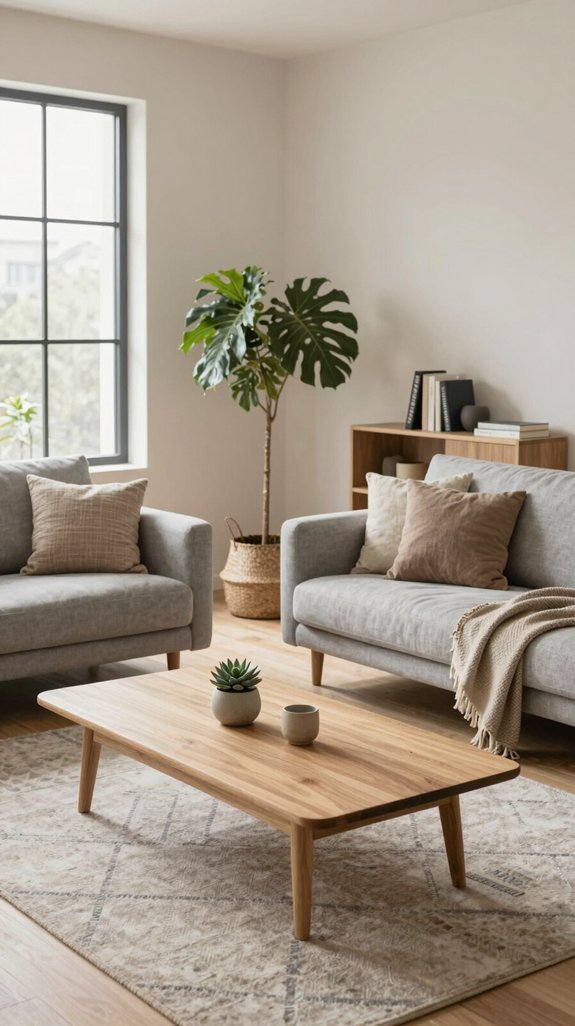
After embracing natural light, I realized that adding the right textiles could elevate the serene vibe of my Japandi living room even further.
I chose natural fibers like linen, wool, and cotton, which provide warmth and texture while emphasizing sustainability. Sticking to a neutral palette—think earthy whites, grays, and beiges—creates a calming atmosphere.
Layering cushions and throws adds depth without clutter, celebrating the beauty of minimalism. I also incorporated traditional techniques, like Shibori dyeing, to enrich the textural experience.
To enhance the overall aesthetic, I explored the concept of boho-style decor bundles that can seamlessly integrate with my Japandi elements.
Each piece harmonizes functionality and comfort, ensuring my space feels inviting, lived-in, and effortlessly stylish.
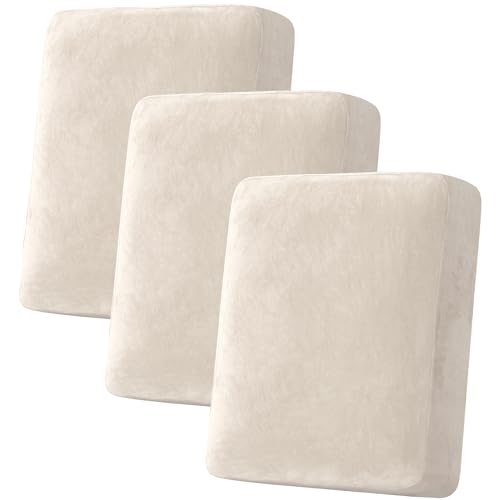
INCREDIBLY COMFORTABLE VELVET: Products passed GLOBAL RECYCLED STANDARD certificate.3 pieces included. Crafted from luxurious velvet plush fabric, feature thick, soft, smooth, anti-wrinkle, no fading, durable as well as highly stretch. Protect your cushion furniture from daily wears and tears, stains, kids, scratches from pet claws, dogs or accidental spills
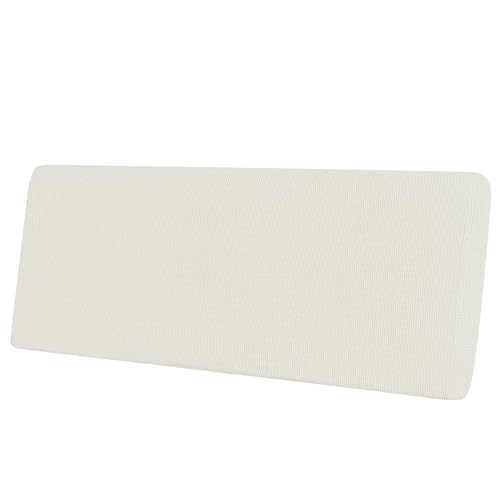
High Quality Material: 80% polyester+20% spandex, high quality stretchy fabric, soft and comfortable. Having such a cushion cover protects your sofa from spills and stains.

DURABLE AND HIGHER QUALITY: Made of machine washable Polyester, with no bleeding, fading or fraying issue,can be used outdoors.(Insert or filler not included) Material: 100%Polyester.
Introduce Nature With Potted Plants and Greenery
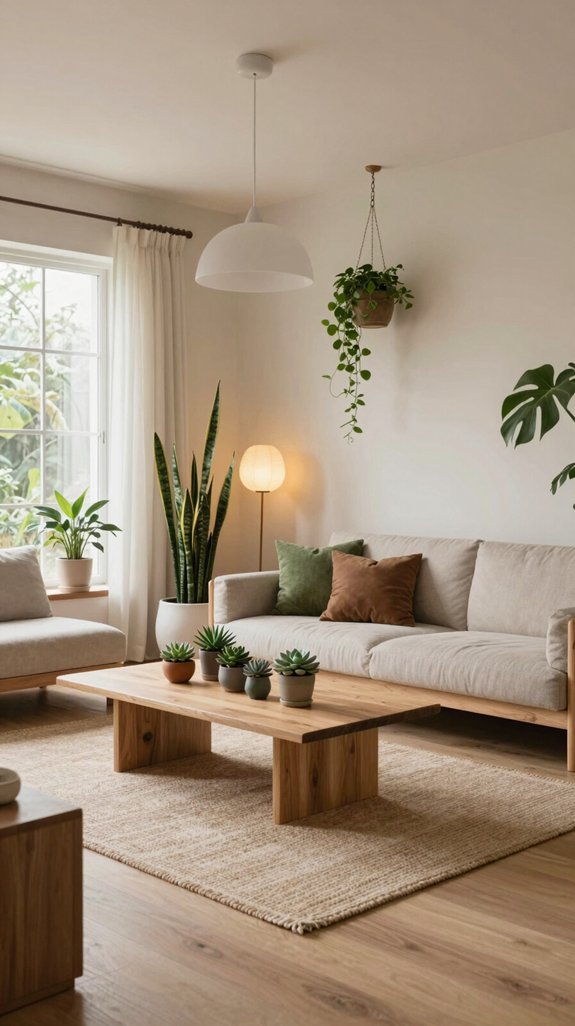
Incorporating potted plants and greenery into my Japandi living room instantly transforms the space, bringing a rejuvenating atmosphere and a touch of nature indoors.
I love using statement plants like the Fiddle Leaf Fig or Monstera Deliciosa; their bold shapes add visual interest while enhancing air quality.
For a minimalist touch, I opt for low-maintenance varieties like the Peace Lily or Rubber Plant, which harmonize beautifully with neutral tones.
I prefer unglazed ceramic or terracotta pots that blend seamlessly with my decor, allowing the plants to shine while maintaining the serene, organic essence of Japandi design. Additionally, using charming decorative potted plants can enhance the overall aesthetic while providing a sense of tranquility.
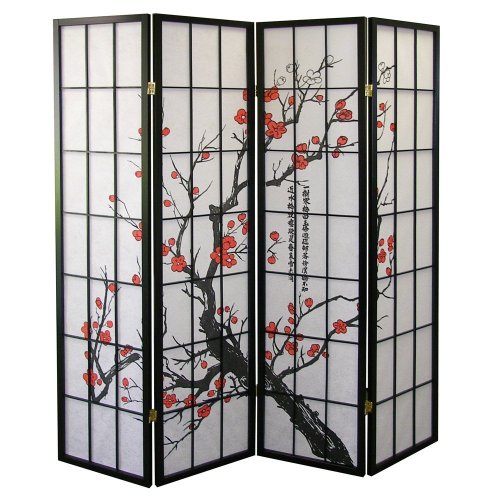
Japanese-inspired room divider for creating privacy in small spaces, lightweight but stable frame made of wood with black finish

【Authentic Japanese Design】 Elegant shoji-inspired room divider screen combines traditional aesthetics with modern functionality, perfect for creating zen spaces in your home or office.

Functional Furniture for a Minimalist Aesthetic
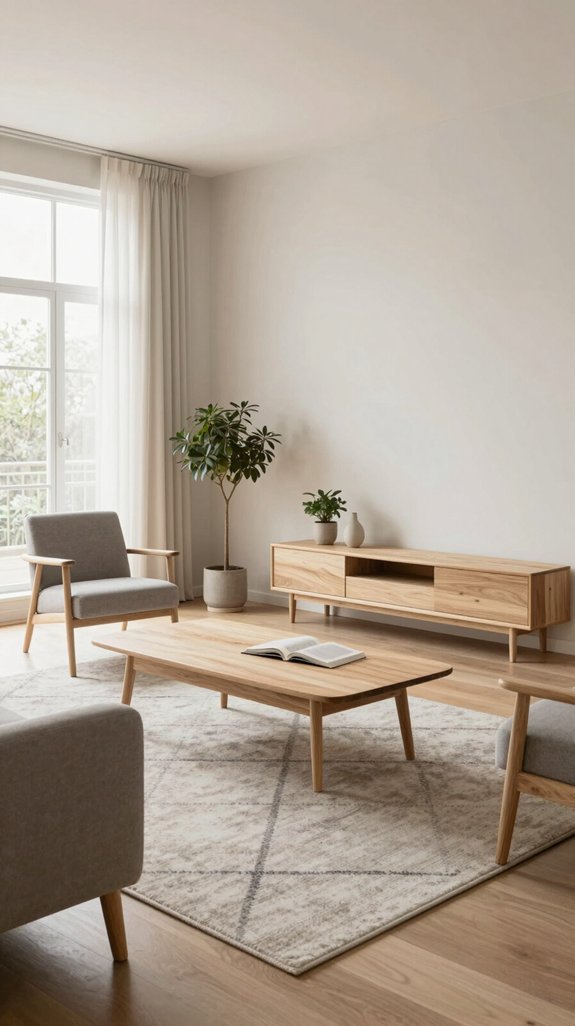
Functional furniture is essential for achieving a minimalist aesthetic in my Japandi living room.
I love how low-profile sofas and simple wooden benches create a grounding sensation, maintaining a clean and uncluttered appearance. Incorporating natural materials like warm woods and organic textiles adds both texture and durability.
Multi-purpose designs, like versatile tables with built-in storage, keep my space clutter-free while enhancing livability. I admire the craftsmanship in handcrafted pieces, which embody timeless quality and celebrate raw textures. Additionally, minimalist platform-style bed frames contribute to the overall serene atmosphere, ensuring a cohesive design throughout the home.

✅Mid-Century design set of 4 dining chairs. Upholstered in comfortable and breathable linen fabric.

Rustic Appearance: This bamboo folding chair is rustic style. Suitable for bohemian style decoration as well as tropical decoration. And also suitable for modern decoration. It can brighten up our indoor space as well as outdoor space
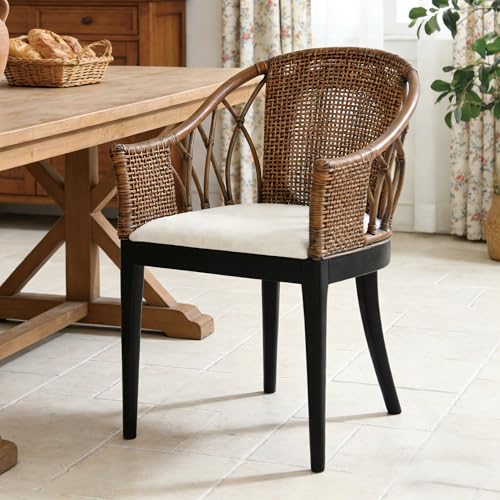
Cane Paneled Armchair: What makes this accent chair set unique is that we adopt handcrafted rattan webbing to form beautiful woven armchair. It is 100% natural and safe for your health. The natural hue and stylish texture add warmth and openness to your home or office
Layer Lighting for Ambiance and Comfort
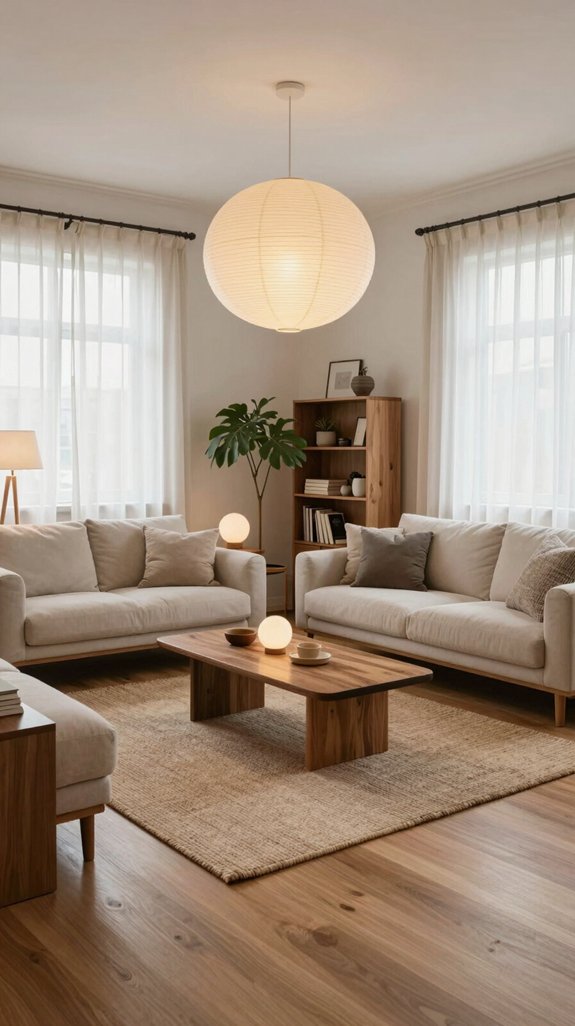
Creating a serene atmosphere in my Japandi living room goes beyond choosing the right furniture; it also involves thoughtful lighting design.
I layer ambient, task, and accent lighting for depth and flexibility. Ambient lighting softly illuminates the space, while task lighting from stylish floor lamps enhances reading nooks.
I love how accent lighting highlights artwork, casting subtle glows without harsh shadows. Using natural materials like bamboo and rattan for lamp bases, I maintain that organic feel.
With warm-toned bulbs around 2700K, my living room feels cozy and inviting, perfect for unwinding after a long day. Incorporating best accent lighting kits can enhance the overall mood and decorative illumination even further.
How to Create Inviting Nooks for Relaxation?
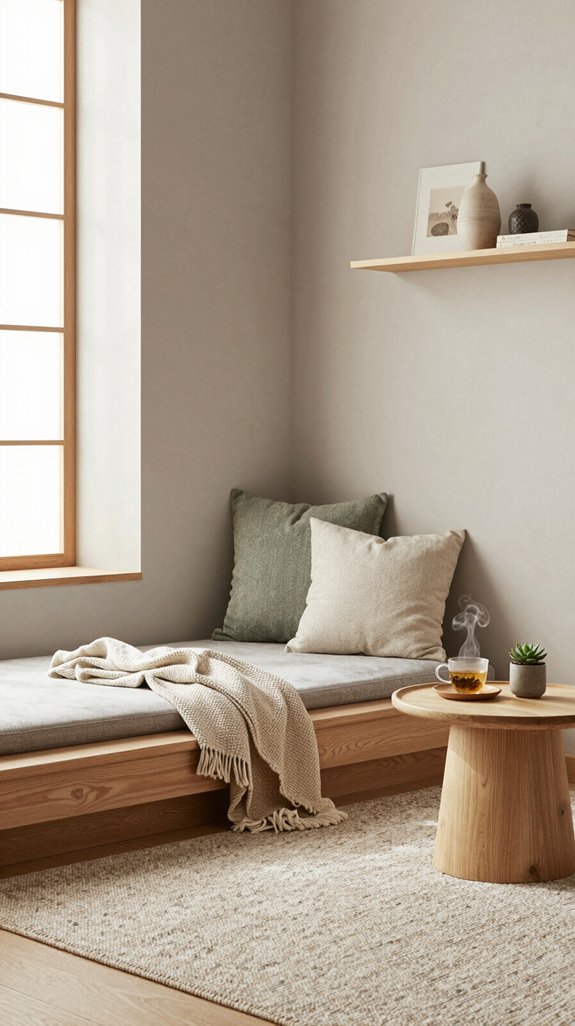
While designing my Japandi living room, I found that inviting nooks for relaxation can transform a space into a personal retreat.
I anchored my cozy corners with light oak and walnut tones, integrating low-profile chairs and tatami mats for authenticity. Natural light floods in, enhancing the serene ambiance.
I chose multi-functional furniture to maintain simplicity and visual balance, while earthy textiles add warmth. Personal touches like stacked books and potted plants create a unique character. Additionally, incorporating multi-level plant stands to display greenery can elevate the overall aesthetic of your space.
Utilize Shoji Screens for Privacy and Aesthetic Appeal
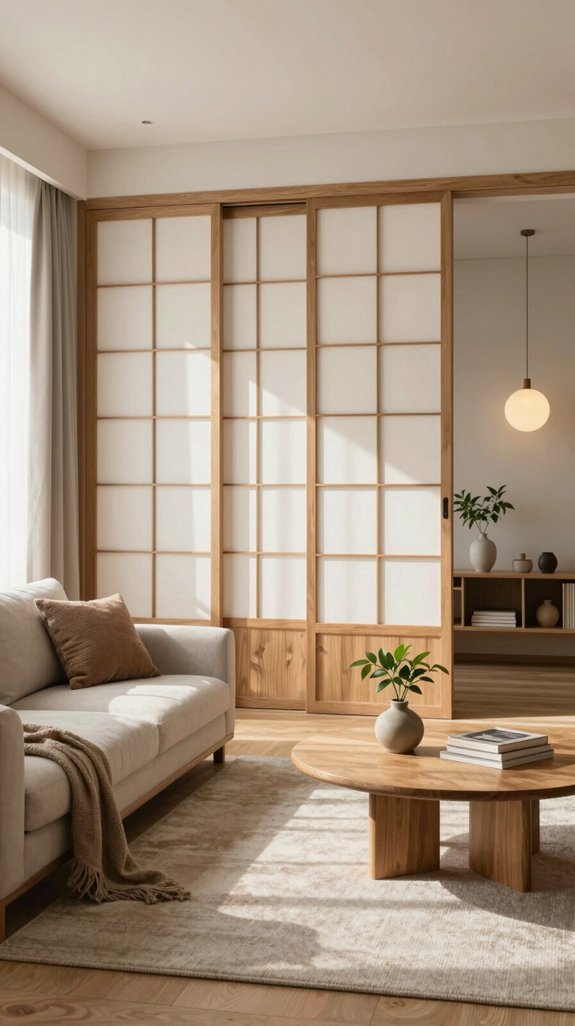
Incorporating shoji screens into my Japandi living room design not only enhances privacy but also adds an enchanting aesthetic element. Their delicate wooden frames and translucent rice paper panels filter light beautifully, casting soft shadows that create a serene atmosphere. These multifunctional dividers embody Japanese craftsmanship while aligning perfectly with Scandinavian minimalism. I love how they define spaces without closing off the openness of my living area. Positioned strategically, they allow natural light to flow, fostering tranquility. Plus, with styles ranging from contemporary to farmhouse, I can effortlessly blend them into my organic decor, making them true focal points. Additionally, integrating vertical garden systems can further elevate the ambiance, bringing a touch of nature indoors.
Balancing Open Shelving With Negative Space
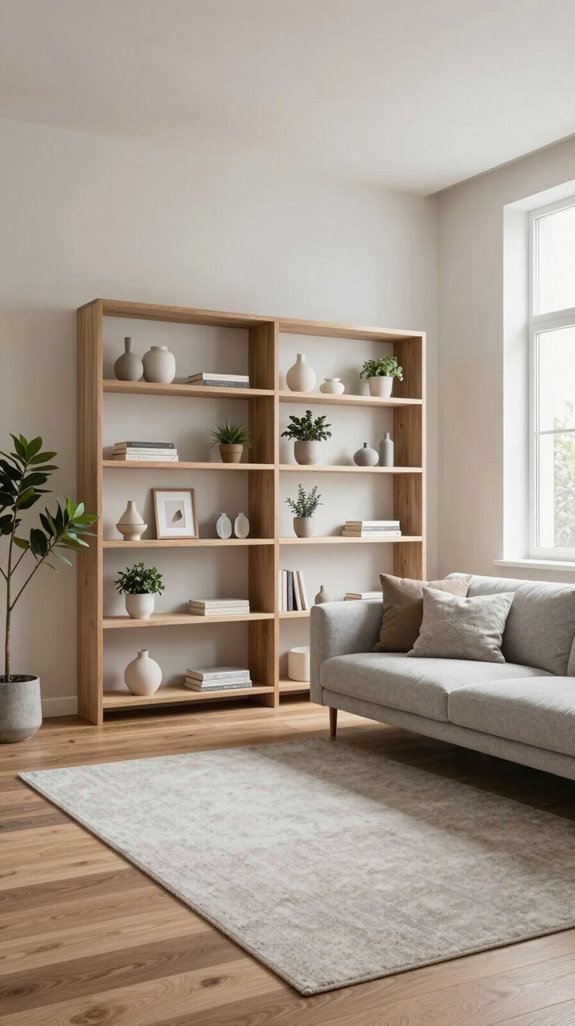
Open shelving can transform a living room by striking a harmonious balance with negative space, creating a visually appealing and functional environment.
I love how open shelves lighten the space, allowing decorative elements like handmade ceramics to shine. Embracing the principles of negative space emphasizes purposeful emptiness, promoting calmness and flow.
To achieve this, I carefully curate a few meaningful pieces, focusing on quality over quantity. Pairing natural wood shelves with soft linens enhances texture while maintaining simplicity.
Integrating closed storage can minimize clutter, ensuring that the space feels open and inviting, effortlessly blending aesthetics with practical utility. Additionally, incorporating shelving solutions designed specifically for displaying plants can enhance the overall design while bringing a touch of nature indoors.
Frequently Asked Questions
What Are the Best Flooring Options for a Japandi Living Room?
I recommend natural wood or bamboo flooring for a Japandi living room. They exude warmth and serenity, while concrete offers a modern touch. Light, neutral tiles can also create a calming, minimalist foundation for your space.
How Can I Incorporate Artwork Without Disrupting the Minimalist Aesthetic?
I’d suggest selecting one or two oversized, minimalist art pieces that reflect nature. Soft hues and organic themes maintain harmony, allowing the artwork to enhance the space without overwhelming the tranquil aesthetic you desire.
What Furniture Styles Complement Japandi Design?
In my experience, low-profile furniture, natural wood materials, and neutral, textured fabrics perfectly complement Japandi design. They create a serene atmosphere, emphasizing simplicity and functionality, while enriching your space with warmth and organic beauty.
Can I Mix Japandi With Other Design Styles Effectively?
Absolutely, I’ve found mixing Japandi with styles like mid-century modern or coastal minimalism creates a beautiful balance. Just keep a neutral palette, prioritize natural materials, and guarantee functionality to maintain harmony throughout the space.
How Do I Choose the Right Size Furniture for My Space?
Choosing the right furniture size feels like crafting a harmonious symphony. I measure my space and keep pathways clear, ensuring each piece resonates with balance and flow, creating a serene atmosphere where comfort reigns supreme.