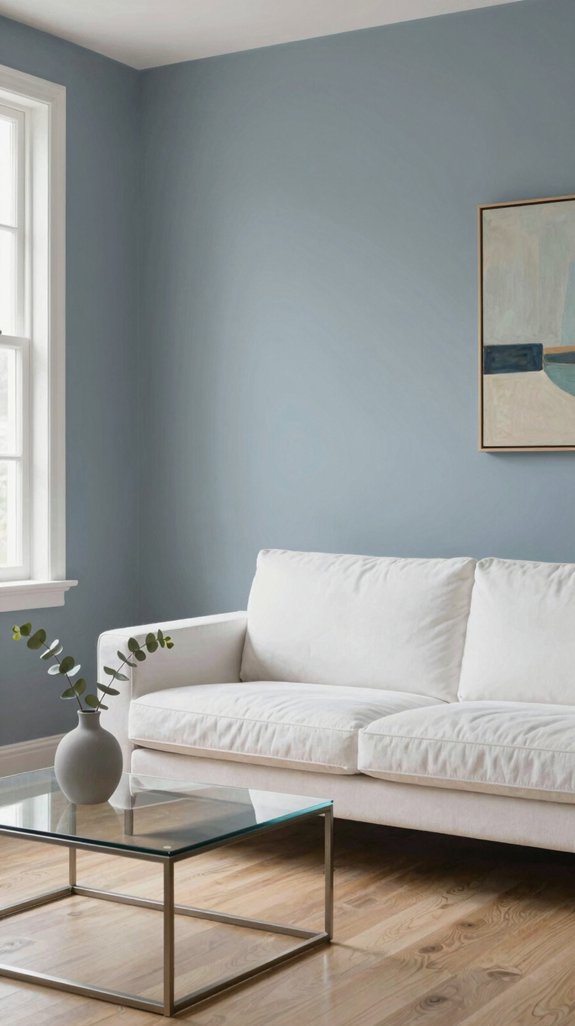
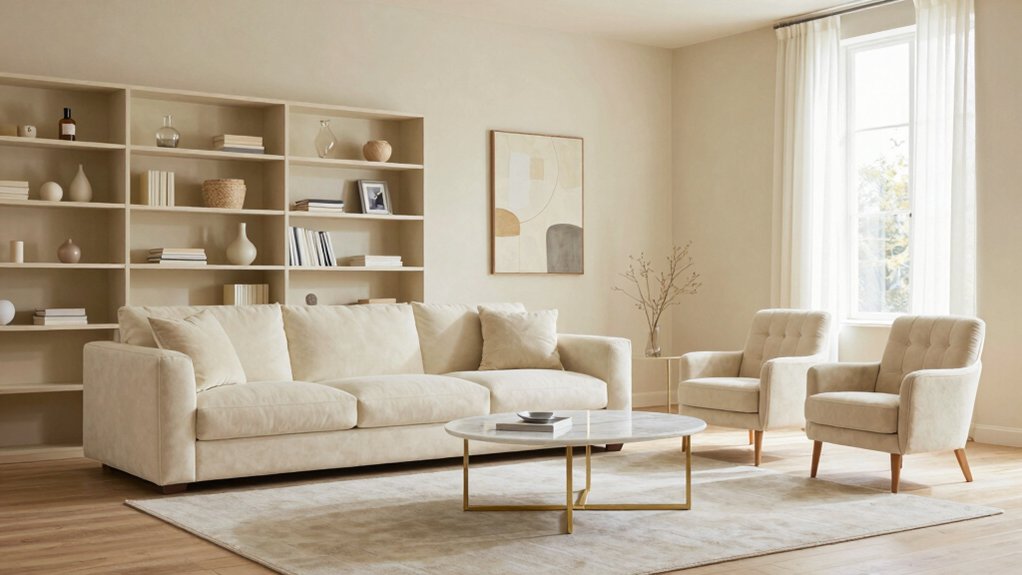

Ivory’s soft glow and low chroma effortlessly bring serenity and timelessness to a space, making it an ideal foundation for elegant interiors. Begin with a warm or cool ivory base, tailored to the room’s natural light.
Layer in blush pink through textiles like throw pillows or curtains to introduce romantic warmth. Incorporate sage green in accent pieces—such as vases, plants, or upholstered furniture—for a calming, nature-inspired balance.
A deep navy accent wall adds quiet depth without overpowering the soft palette. Ground the space with natural wood tones like walnut, teak, or light oak found in flooring, furniture, or shelving.
Introduce subtle texture with matte concrete elements or frosted glass lighting and decor. Together, these thoughtful pairings create a cohesive, soothing interior that feels both refined and inviting.
Why Ivory Sets a Soft, Elegant Tone
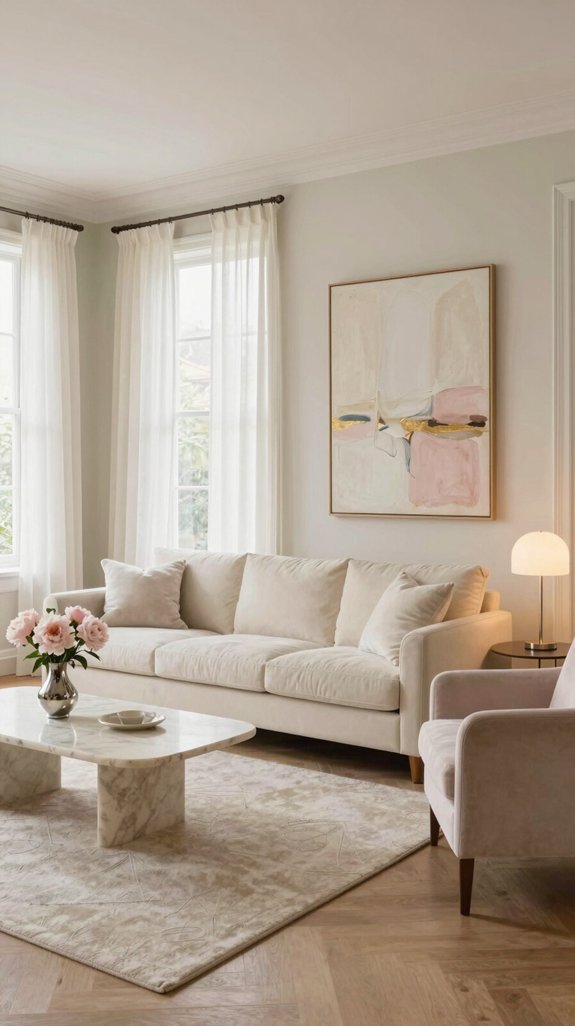
Because ivory reflects light softly, it instantly creates a serene, elegant atmosphere. Its subtle luminance balances warm and cool tones, allowing other hues to blend harmoniously without overwhelming the space. With its low chroma, ivory reduces visual clutter, making rooms feel open and calm while remaining grounded. Pairing ivory with muted metallic finishes enhances its gentle glow and adds a touch of modern refinement. As a near-neutral backdrop, it provides the perfect foundation for layered textures—reclaimed wood, matte concrete, or frosted glass—that interact beautifully with natural and ambient light. Integrating concealed LED lighting behind ivory wall panels enables effortless mood shifts, blending timeless elegance with intuitive, modern technology. This delicate balance of softness and innovation makes ivory a defining element in thoughtful, forward-looking interior design.

Premium Chenille Material: Crafted from high-quality chenille fabric on both sides, these decorative pillow covers for couch are super soft and thick, offering a luxurious texture. Chenille pillow covers add a cozy touch to your home while retaining the beauty over time

Unique Design: Indulge in the contrasting fabrics of pallene 18x18 pillow covers, featuring plush faux fur on one side and smooth, cozy velvet on the other
How to Build an Ivory‑Based Color Palette
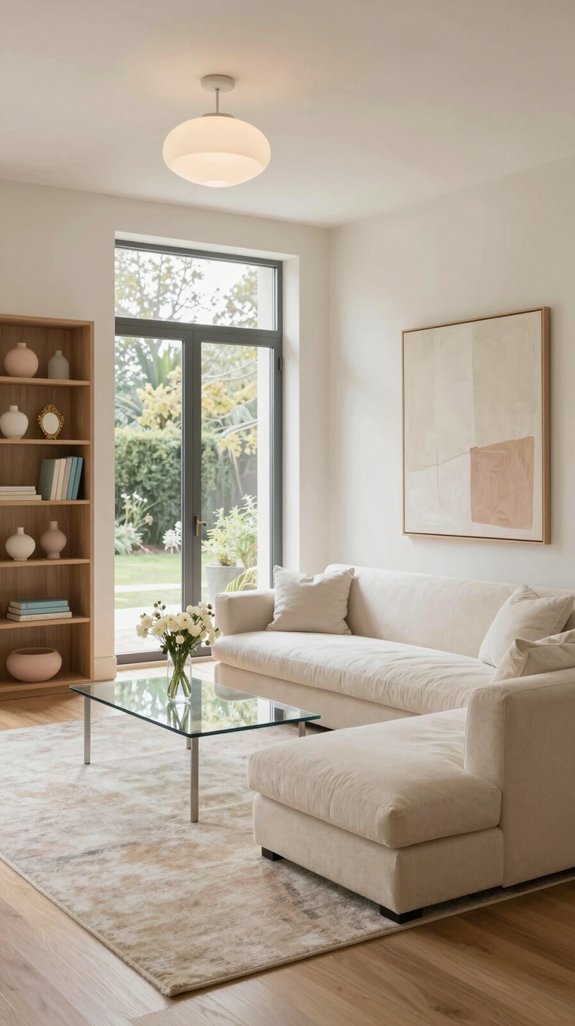
When crafting an ivory-based palette, begin by selecting a dominant ivory tone that complements the room’s natural and artificial lighting—choose warm ivory for sun-drenched spaces and cooler ivory for rooms with limited light. Introduce a secondary hue that either harmonizes with the ivory or offers gentle contrast, such as muted greys, soft sage, or pale navy, ideal for accent walls, curtains, or decorative furnishings. Test each color combination under varying light conditions throughout the day, observing how shifts in illumination affect warmth and depth. Complete the scheme with a single accent element—like brushed gold, antique brass, or a deep jewel tone in a vase, artwork, or throw pillow—to add visual interest and focal points. This thoughtful layering creates a balanced, refined space that remains timeless yet contemporary.

❤️ Floral Set: This set features a diverse mix of handcrafted flowers, including various types and colors of faux silk and foam blossoms, as well as greenery. Ideal for bridal and bridesmaid bouquets, floral arrangements, table centerpieces, and more.

CHINOISERIE CERAMIC DECOR: This floral vase features hand-painted peony designs with meticulous coloring, paired with a crackled ivory glaze for a vintage, rustic charm. The classic green-and-white palette enhances any space, whether adorned with fresh flowers, branches, or faux blooms, adding elegance and artistic flair to your home decor

DIY Mason Jar Set: Includes 12 vintage farmhouse light sage green mason jar vases(6.3" H × 3.1" base), plus a 20m jute twine, 24 kraft tags (heart & square), 26 wooden beads, and 1 cleaning brush. Unlike ordinary bud vases, this set lets you wrap the twine yourself and design personalized decorations, perfect for DIY lovers, event planners, rustic wedding, fall floral arrangement, and Christmas decor projects.
Pairing Ivory With Blush Pink for Romantic Warmth
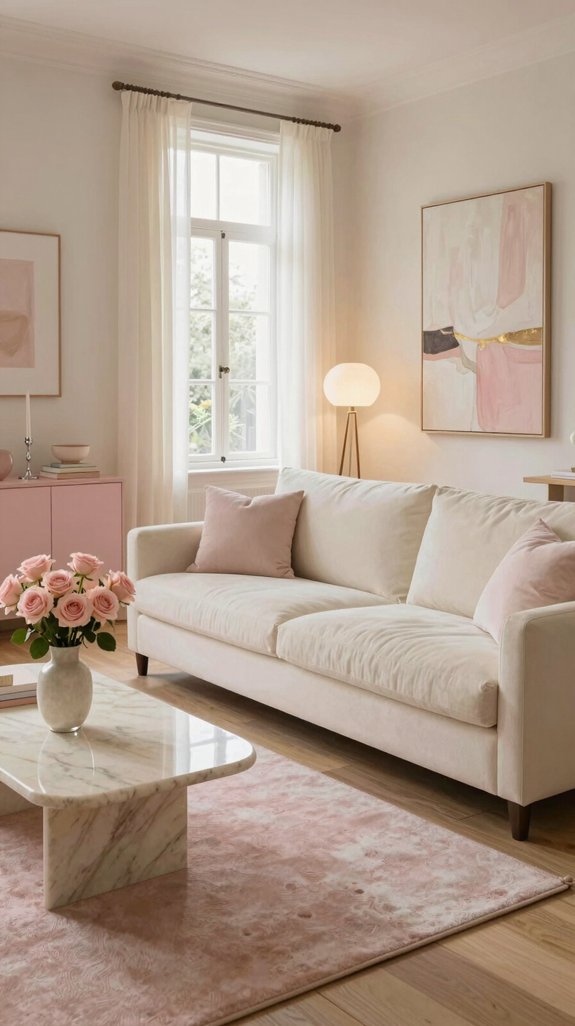
Adding blush pink to an ivory foundation instantly softens a space while introducing a gentle romantic warmth. Begin by selecting a muted blush shade for textiles—plush cushions, draped curtains, and a tufted rug—so the color whispers rather than dominates. The interplay between ivory’s crisp neutrality and blush’s warm undertones creates depth while preserving a serene ambiance. Layer in reflective surfaces, like a brushed-gold mirror or a matte ivory ceiling, to diffuse the pink’s subtle glow throughout the room, enhancing its intimate charm. For a contemporary touch, incorporate blush-tinted glass vases and metallic hardware that echo the palette’s delicacy while adding a sleek, modern edge. The result is a timeless yet refreshed atmosphere—a sophisticated retreat where romance unfolds through thoughtful color harmony. Choose curtain tiebacks that complement both hues to anchor the look and add a functional decorative element.

CONVENIENT SIZE - This Apple Barrel Acrylic Paint comes in a versatile 8 oz size that is great for basecoating, stenciling, and so much more

Ready to use, pre-mixed door and trim paint offers a fresh new look on interior or exterior metal, wood and fiberglass

CONVENIENT SIZE - This Apple Barrel Gloss Acrylic Paint comes in a versatile 2 oz size that is great for basecoating, stenciling and so much more
Sage Green Accents That Balance Ivory’s Neutrality
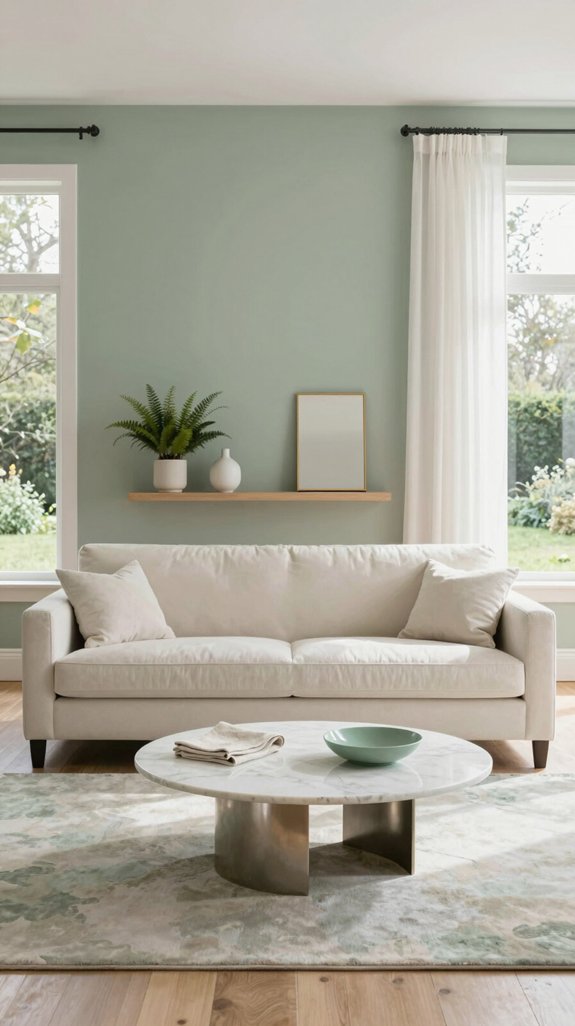
Sage green accents effortlessly enhance an ivory-dominated space, grounding it with earthy subtlety while maintaining its light-filled grace. A textured sage area rug beneath a streamlined ivory sofa establishes a serene foundation, its organic tones resonating with natural calm. Introduce a reclaimed wood side table painted in soft sage to add layered depth, its handcrafted finish enriching the room’s character. Matte sage ceramic vases bring understated elegance, while a handwoven tapestry in the same muted hue introduces inviting texture. The ivory walls reflect ambient light, brightening the space and allowing the cool, botanical essence of sage to shine. This delicate interplay of warm neutrality and cool serenity fosters a balanced, rejuvenating atmosphere—proving that thoughtful color pairing can transform a room into a timeless sanctuary of modern tranquility. Consider exploring creative poster rail options to further enhance visual interest and functional display.

RICH INCLUSIONS: This wooden filler set comprises 12 unique colors of resin repair fillers, offering a hassle-free solution for repairing wood furniture stains and scratches. Please note that the wooden furniture repair kit serves as a touch-up set, helping to blend colors to minimize the visibility of scratches or scuffs. It can also be used to repair small dents or cracks. After application, dry the area with a hair dryer and allow it to air dry for 2-3 days (away from water).
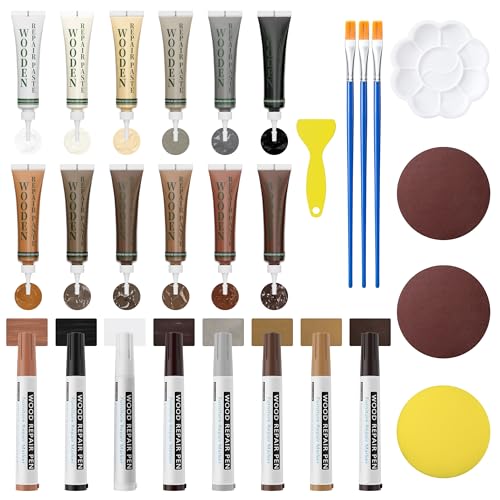
All-in-One Professional Wood Repair Kit: 12-Color Fillers(25g/tube), 8 precision touch-up markers matching 95% of wood tones, 3 brushes, 1 mixing palette, 1 sponge, 2 sandpapers, instantly fixes scratches, scuffs and small holes in wood

Complete Repair Set: Our laminate floor repair kit includes 12 commonly used shades of wood fillers and 8 universal colors of markers, with included 3 brushes, 1 scraper, 1 mixing palette, 1 sponge, and 2 sheets of sandpaper make repair work more convenient and efficient
Deep Navy for Subtle Depth Without Overpowering
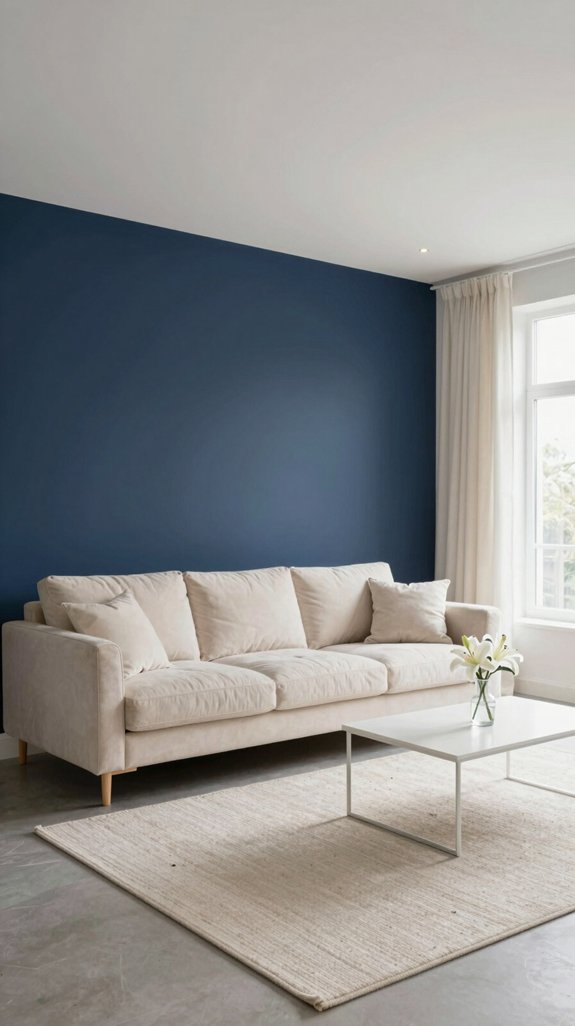
Deep navy brings subtle depth without overwhelming, creating a refined balance when paired with soft neutrals. I introduce it as an accent wall behind a white marble fireplace, where its rich tone absorbs light gracefully, enhancing dimension without heaviness. The cool undertones of the navy quietly harmonize with the warmth of ivory walls, crafting a composed contrast that feels inviting and elegant. Textural interplay elevates the scheme—a navy velvet pillow rests on an ivory linen sofa, while a navy glass coffee table adds reflective depth, its dark base grounding the seating area. Used selectively on architectural elements like pillars or built-in shelving, or as a statement in an area rug, deep navy adds shadow and sophistication, ensuring the space remains open and air-filled. The plum‑hue walls highlight rich purple undertones that can complement navy accents for a layered, harmonious palette.

【ORGANIC MODERN FLUTED DESIGN】This concrete key bowl pairs clean fluted lines with a warm ivory tone. Its sculptural shape adds a soft, refined touch to organic modern, minimalist, and neutral home decor

Material: Constructed from heavy-duty thick vinyl, this beige marble wallpaper offers outstanding durability, waterproof and oilproof performance. Stains and spills wipe away effortlessly with a damp cloth for simple daily upkeep
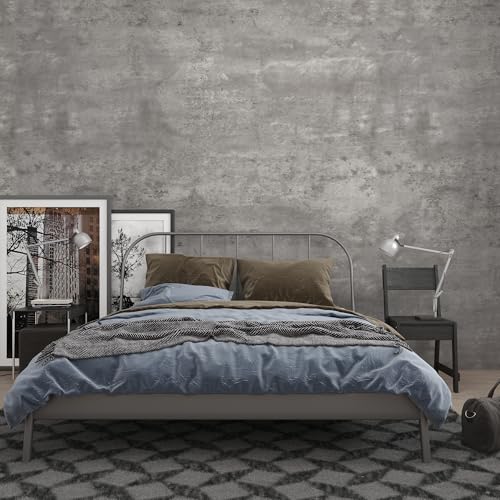
Material: Made of the high quality polyethylene, grey concrete wallpaper is thick, durable; removable; waterproof; oil-proof; self adhesive, sticky well on smooth surface any projects
Soft Lavender Accents That Complement Ivory
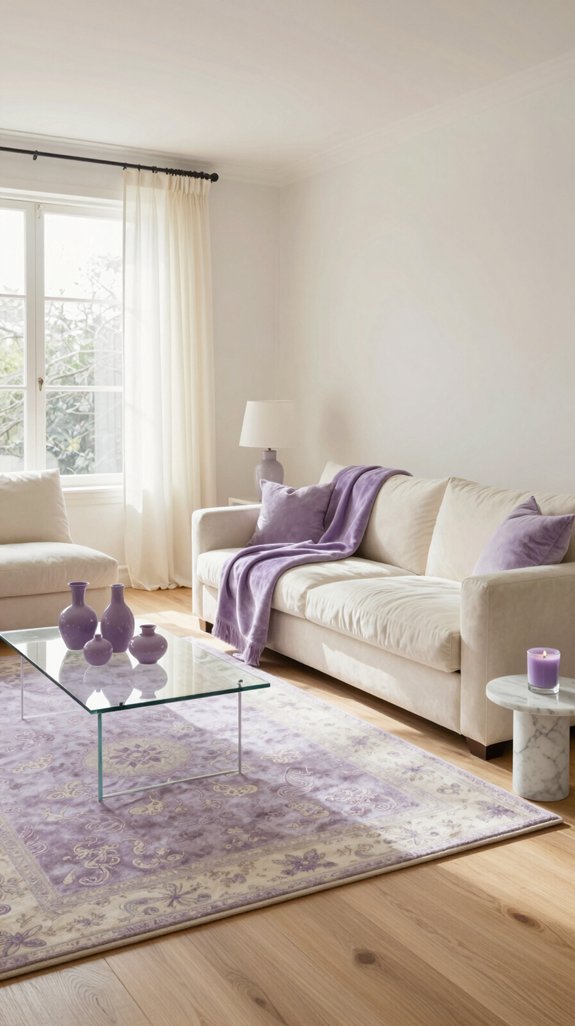
When soft lavender accents are introduced into an ivory-dominated space, the gentle violet undertone breathes new life into the room while preserving its tranquil essence. Matte lavender cushions rest atop a streamlined ivory sofa, their velvety texture softly interacting with ambient light to create a harmonious play of tone and depth. A brushed-metal floor lamp with a lavender-tinted glass shade emits a subtle, diffused glow, enhancing the room’s soothing ambiance. On a reclaimed-wood side table, a lavender-hued glass vase catches reflections from the ivory walls, adding a quiet richness without disrupting the calm. Even a slender lavender runner laid across a polished concrete floor can serve as a delicate visual guide, linking elements with understated elegance. These intentional accents apply thoughtful color dynamics, transforming a minimalist palette into a refined, contemporary retreat. Adding a set of handcrafted ceramic coasters in muted ivory and lavender tones can protect surfaces while reinforcing the color scheme.

1. ULTRA-SOFT TEXTURED CORDUROY: Crafted from ribbed corduroy, these 4-pack 18 x 18 pillow covers offer a soft, textured feel that is thicker than cotton; tight stitching makes them a practical choice for homes with pets, a practical accent option for daily use on indoor sofa, couch, loveseat, or bed (inserts not included)

Material & Package: 1 pc pillow cover made of premium corduroy (NO INSERT). Please Note: Hidden zipper is well disguised and stitched in across one side.

QUALITY MATERIAL: The pillow cover is composed of a soft and comfy corduroy which is a kind of polyester fabric, features a cute and elegant boho stripe design. Our pillow covers are of good workmanship, they are tightly sewn without loose threads.
Warm Gold Touches for Ivory Luxury
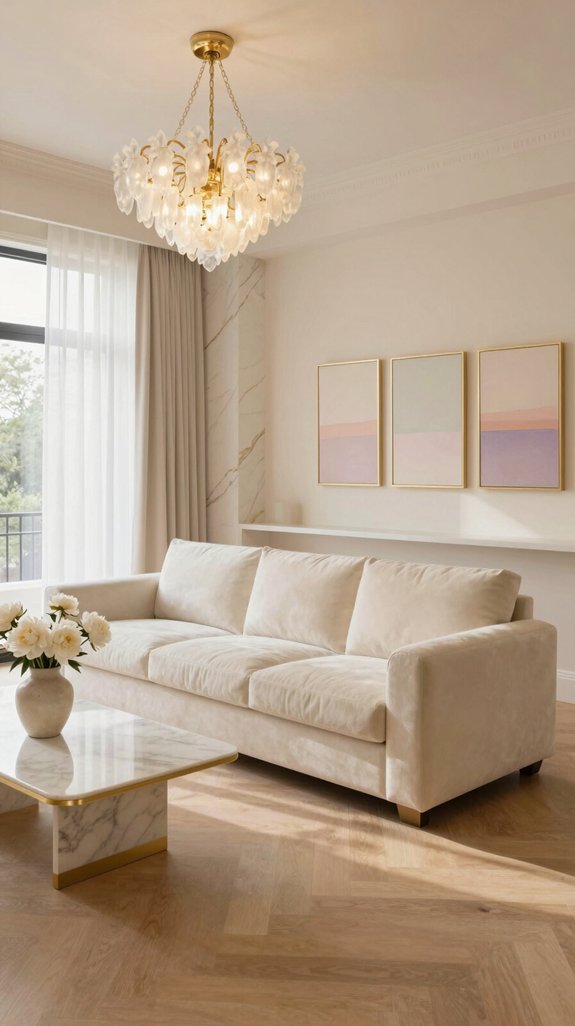
A whisper of warm gold transforms an ivory interior into a sanctuary of understated luxury. By pairing brushed brass lamp bases, gilded picture frames, and matte gold hardware with soft ivory walls, a delicate sheen emerges—inviting the eye without overpowering the space. Layering is essential: a subtle gold leaf trim along a ceiling cornice, a sculptural copper chandelier, and polished brass cabinet pulls introduce dimension and reflect natural light beautifully. To deepen the sense of opulence, incorporate gold‑infused textiles—silk throw pillows and velvet curtains woven with delicate metallic threads—that catch the light with quiet elegance. The harmony between the warmth of gold and the calm purity of ivory creates a refined, timeless interior that feels both sophisticated and inviting. Adding a touch of wine‑red accent can further enhance the dramatic yet luxurious atmosphere.

Elegant Vintage Design Adds Timeless Charm Inspired by natural botanical beauty, this ceramic vase features a delicate hand-painted floral pattern and a vintage crackle glaze finish. The soft cream tone and artistic details bring a warm, elegant touch to any room, making it a beautiful centerpiece for modern, farmhouse, and classic home styles.

Size: 5/8 inches wide ribbon, 3 rolls per pakage total 18 Yard, 6 yards per roll

Chinoiserie Styles: embrace timeless sophistication with this ceramic vase; Featuring a classic hand-painted green floral design and a subtle crackle glaze finish, it brings an authentic touch of vintage Chinese art to your home; Its refined appearance makes it a stunning piece of shelf decor, elevating any room's ambiance with understated elegance
Light Gray to Keep the Palette Calm and Modern
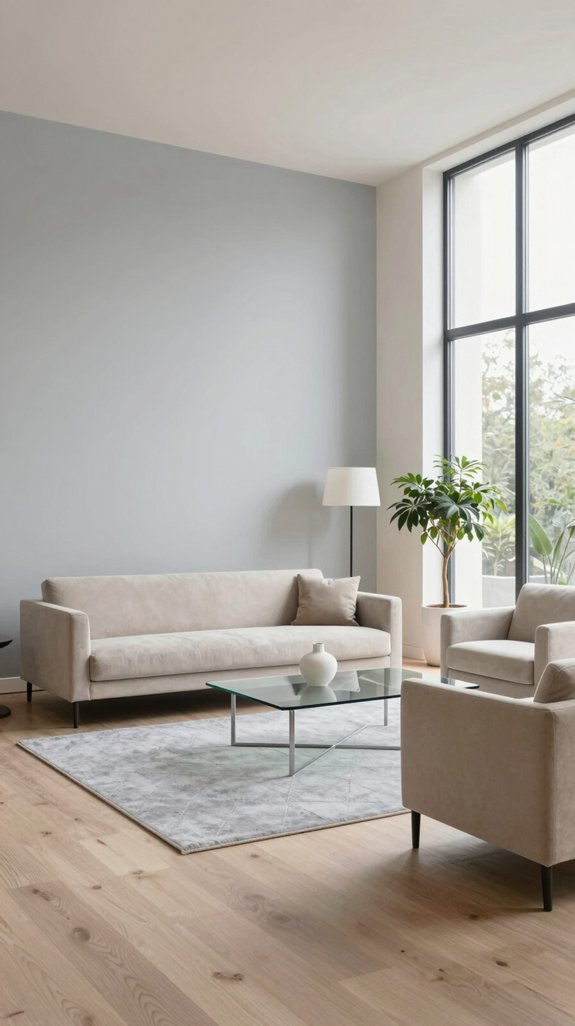
After the subtle glow of warm gold, I turn to light gray to maintain a calm and modern palette. Matte gray wall panels are layered behind a sleek ivory sofa, allowing the neutral tone to absorb natural light while enhancing the sense of space. The soft undertones of gray blend seamlessly with ivory’s warmth, creating a harmonious transition that feels both airy and grounded. Brushed-steel lighting fixtures and glass-top coffee tables add a refined, contemporary edge without overpowering the room’s soft elegance. A textured gray rug introduces depth underfoot, while a bold charcoal artwork provides a deliberate contrast, anchoring the composition with quiet sophistication. This thoughtful balance preserves serenity, embraces clean design, and ensures the space remains effortlessly timeless. Incorporating decorative TV frames can further elevate the room’s aesthetic while protecting the television.

PAINT + PRIMER IN ONE: Evolve’s paint-and-primer formula helps you get great coverage from the start, sealing your surface and reducing the extra work of multiple coats.


COLORS CRAFTED BY ANNIE SLOAN: Oxford Navy is a strong, traditional navy blue that creates a deep, dramatic and warm atmosphere in a room; whether big or small. This inky blue is inspired by the rich Indigo Blue pigment from India, first imported into Europe in the seventeenth century.
Muted Terracotta for Earthy Sophistication
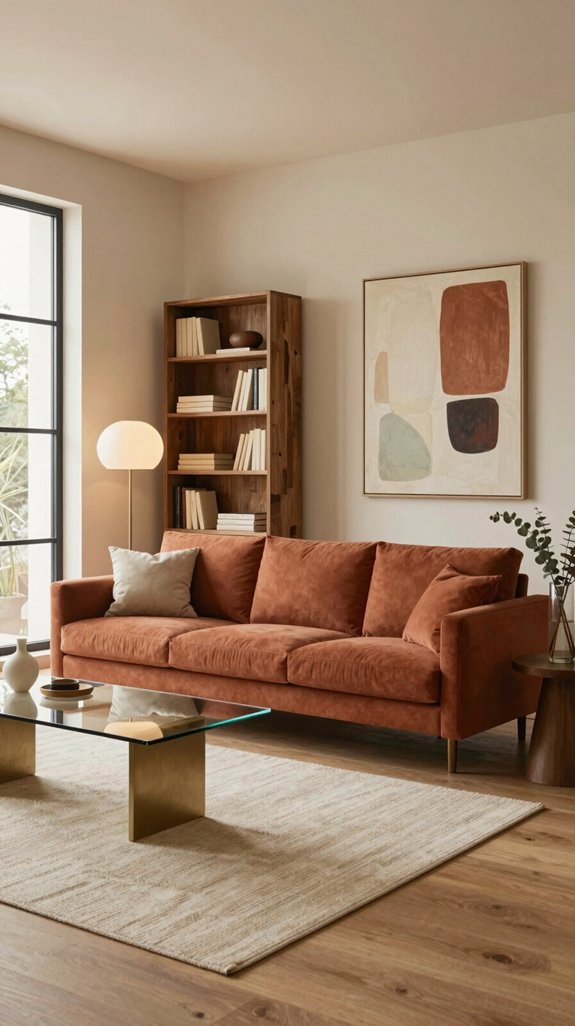
For an ivory-centric room in need of earthy sophistication, muted terracotta makes an ideal accent. Apply it on a feature wall, a sculptural fireplace surround, or a series of low-profile panels; its soft orange-brown hue absorbs light to create depth without overpowering the delicate ivory base. Complement the terracotta with brushed brass fixtures and textured linen cushions, allowing the warm undertones to reflect natural clay and sun-baked terrain. The low saturation maintains a serene atmosphere, while its organic quality introduces a tactile richness that feels both modern and enduring. Finish with matte surfaces and focused lighting—such as spotlights that emphasize the material’s subtle grain—to cultivate a refined, grounded ambiance that’s contemporary yet welcoming. Soft orange undertones are also found in apricot interior paints which enhance cozy spaces.

Overall Product Dimensions: 60.5" W x 19.5" D x 18.5" H

Wood Furniture Repair Kit: These furniture touch up filler are made of high-quality materials, featuring strong adhesion that firmly bonds to the surface of wooden items. The repair effect is long-lasting, resistant to peeling and cracking, and quickly restores the beauty and texture of the wooden furniture.
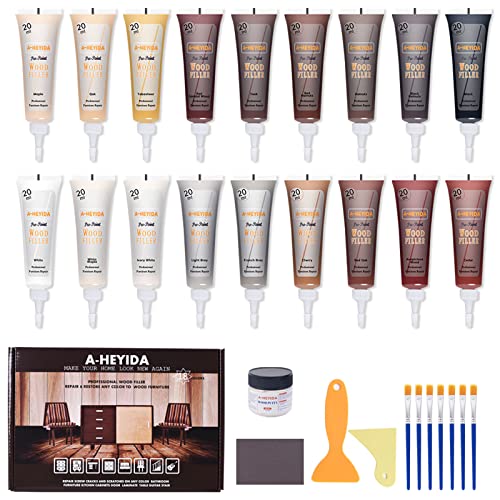
Wood Vinyl Floor Repair Kit: 31 piece laminate floor repair kit includes 18 unique colors of resin wood repair fillers, 1 sandpaper, 1 wood putty, 7 brushes, 2 plastic scrapers and 1 disposable glove. According to the instructions provided, you can repair floors and furniture by yourself, no need to hire a professional, saving you time and money. This is an easy solution to repair scratches and stains on wooden furniture and floors in your home
Ivory + Creamy Beige: Seamless Layering Techniques
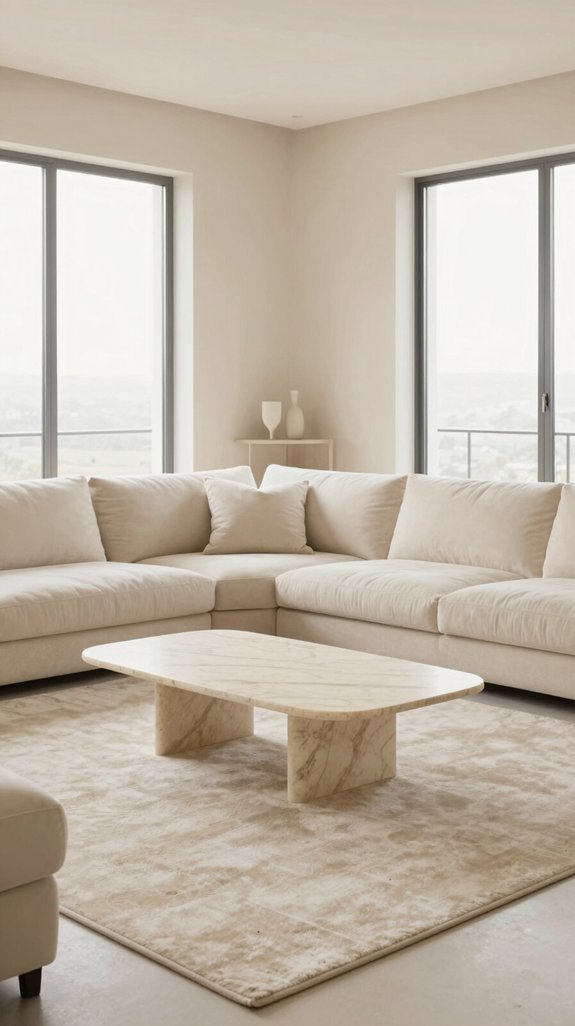
When blending ivory with creamy beige, a seamless, layered backdrop emerges—one that feels both airy and grounded. These neutrals share soft, warm undertones, allowing each layer to subtly enhance the other without stark contrast. Begin with an ivory base on the walls to establish a light, open foundation. Introduce creamy beige through curated textiles: a plush area rug, a woven throw draped over a sofa, or an upholstered armchair. Echo the beige tone across ceiling moldings using a translucent glaze, helping light diffuse gently throughout the space. For added depth, apply a matte creamy-beige finish to an accent wall positioned behind a floating shelf, then pair it with ivory-toned hardware and fixtures. The result is a harmonious, multi-dimensional interior that feels current yet enduring—inviting thoughtful layering while maintaining visual calm. Vintage-inspired spaces often incorporate antique-style decor to enhance the timeless appeal of this color pairing.

【MODERN ORGANIC FLUTED DESIGN】Inspired by modern architecture, this concrete key bowl pairs clean fluted lines with classic charcoal black color. Its sculptural shape adds a soft, refined touch to organic modern, minimalist, and neutral home decor

➤Unique Beaded Scalloped Design ----- Hand-poured from premium concrete, offering a modern, minimalist, sculptural look that elevates any vanity, bathroom, or dresser. A stylish storage piece that blends function with decor

Using Black Sparingly for Chic Contrast
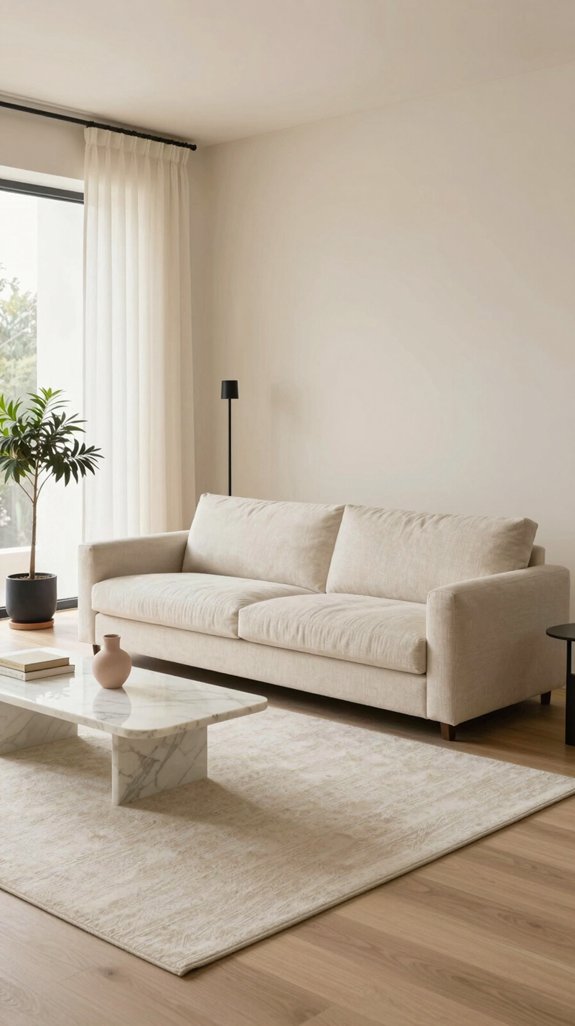
A touch of black can instantly elevate an ivory-based room, introducing sharp contrast that adds sophistication without overpowering the soothing palette. Begin with one standout piece—such as a matte black side table, a slender picture frame, or a minimalist lamp—allowing the dark tone to anchor the space with intention. Echo this accent through discreet details like cabinet hardware, a thin border in an area rug, or a sleek curtain rod, creating a subtle visual rhythm. The secret lies in restraint: limit black to under 10% of the overall visual field, ensuring ivory’s warmth stays dominant. Pair this controlled contrast with reflective surfaces—glass tabletops, polished metal fixtures, or glossy ceramic tiles—to enhance depth and light. The result is a refined, contemporary elegance that feels grounded, deliberate, and gracefully balanced. Consider using cable organizers to keep power cords tidy and maintain the clean aesthetic.
Natural Wood Tones That Enhance Ivory Interiors
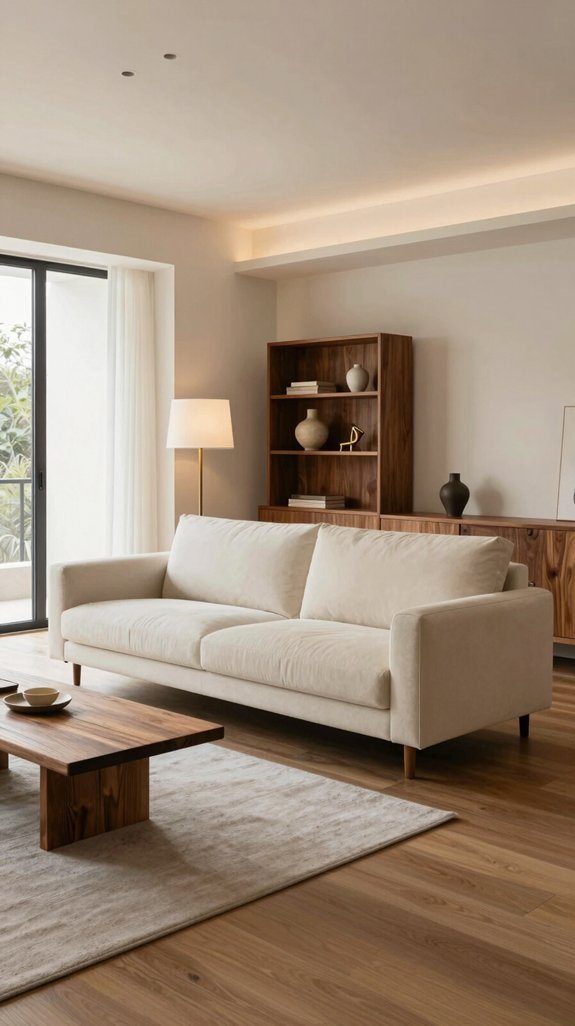
Ever wondered how a simple walnut shelf can transform an ivory room into a warm, inviting sanctuary? Natural wood tones—particularly walnut, teak, and light oak—bring depth and character while preserving the calm elegance of ivory interiors. A walnut sideboard, with its deep chocolate-brown grain, adds a grounding contrast that feels both bold and balanced. Teak coffee tables lend a honeyed warmth, mimicking the glow of natural sunlight and enhancing the space’s organic harmony. Light oak shelving introduces airiness, its soft grain allowing ivory walls to remain the focal point while adding subtle texture. When layered thoughtfully, these wood tones create a lived-in sophistication—each piece complementing the next to turn a serene ivory palette into a richly detailed, intentional retreat.
Wood‑Based Flooring Options That Pair With Ivory

Light maple with a matte finish enhances the serene quality of ivory, offering a soft, airy glow that allows the walls to remain the focal point. Reclaimed white oak, finely sanded, brings subtle grain variations and a touch of organic warmth, maintaining a fresh, modern aesthetic. For eco‑conscious spaces, engineered bamboo in a natural finish provides durability and a clean, linear pattern that harmonizes with ivory’s quiet elegance. For a more distinctive look, consider hardwood infused with translucent epoxy tinted to echo ivory—this technique highlights the wood’s natural grain while creating a luminous, layered effect. Each flooring choice supports a cohesive, tranquil interior, adding quiet sophistication through texture and tone. The versatility of beige paints makes them an ideal backdrop for these flooring options, especially when paired with a soft neutral palette that enhances the overall serenity.
Textiles That Echo Ivory Pairings
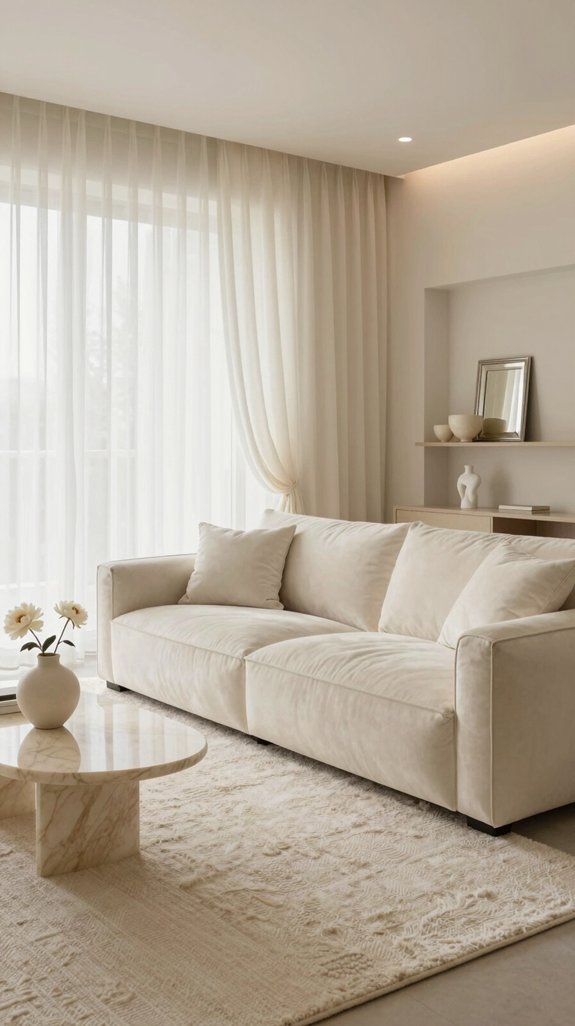
How can I weave the softness of ivory into the fabric of a room? I start by selecting textiles that echo ivory’s muted warmth while introducing subtle contrast. High-thread-count linen drapes in ivory-white create a breathable backdrop; layering a reclaimed silk throw in dove-gray adds depth without breaking the palette. A woven rug with a faint ivory-on-cream chevron pattern allows the floor to mirror the ceiling’s lightness. For upholstery, a performance velvet in pale sand provides durability and elegance, its slight sheen reflecting natural light. Decorative cushions in ivory-tinted boucle and sheer curtains with a barely perceptible ivory lattice complete the space, forming a cohesive, thoughtfully layered texture suite. Consider using decorative hanging rods to display lightweight fabrics and add visual interest without overwhelming the ivory theme.
Final Checklist: 10 Steps to a Cohesive Ivory‑Based Room
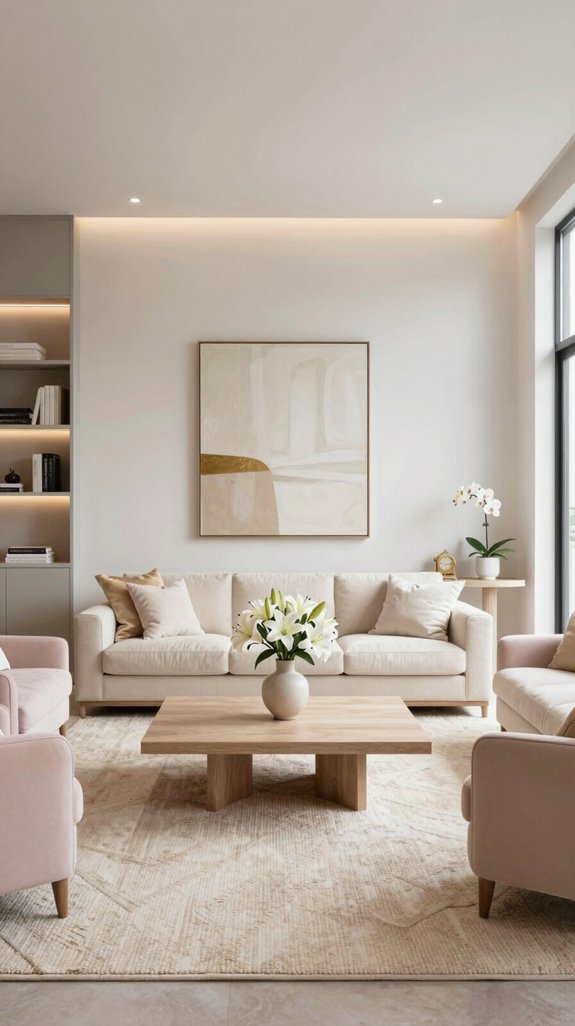
Do you want a room that feels effortlessly elegant yet unmistakably cohesive? Here’s how to achieve it with ten precise steps that blend ivory’s softness with contemporary design. Start by establishing a true ivory base on walls or major furniture pieces to anchor the color palette. Introduce one accent shade—such as charcoal, muted teal, or warm copper—through artwork, accent chairs, or lighting fixtures. Choose streamlined, low-profile storage units that manage clutter while highlighting natural textures. Layer natural fibers like linen, jute, and silk in varied scales across upholstery, window treatments, and bedding to build depth. Integrate smart, dimmable LED lighting with adjustable color temperatures to shape the room’s mood. Anchor the space with a statement rug that echoes the geometry or hue of your chosen accent. Enhance brightness and spatial perception with reflective surfaces—think glass vases, metallic finishes, or discreet mirrored panels. Select a few minimalist tech elements—wireless speakers, hidden charging stations, or smart displays—designed to complement, not disrupt, the aesthetic. Incorporate a subtle scent diffuser with a neutral or earthy fragrance to unify the sensory experience. Finally, assess the room from multiple vantage points, refining placements and proportions until every element feels intentional, balanced, and harmoniously aligned. Stylish outlet covers can be chosen to blend seamlessly with the surrounding décor, further reinforcing the cohesive aesthetic.
Frequently Asked Questions
Can Ivory Walls Cause Glare in Bright Sunlight?
I’ve noticed bright sunlight can transform ivory walls into reflective surfaces that amplify glare. To maintain a serene and stylish atmosphere, opt for matte paint finishes or layer sheer curtains to diffuse the light gracefully while keeping the space bright and inviting.
Is Ivory Suitable for High‑Traffic Family Rooms?
Ivory is a practical and stylish choice for high-traffic family rooms when paired with a durable, low-sheen finish. It naturally conceals scuffs and minor wear while maintaining a bright, inviting atmosphere. The soft hue adds a touch of elegance without sacrificing functionality, making it well-suited for spaces that see daily use.
How Does Ivory Affect Acoustic Comfort in Open Spaces?
Ivory tones in walls, ceilings, or soft furnishings help enhance acoustic comfort in open spaces by diffusing sound waves and minimizing sharp echoes. Its light, matte surfaces gently absorb high-frequency noises—like clattering dishes or raised voices—without deadening the room’s natural liveliness. This creates a balanced, serene atmosphere where conversation flows easily and the space feels calm yet inviting, making ivory an ideal choice for open-concept living areas aiming for both style and acoustic harmony.
Can Ivory Be Combined With Bold, Saturated Colors Without Clashing?
Ivory can beautifully anchor bold, saturated colors in interior spaces, providing a soft, neutral backdrop that allows vibrant hues to stand out without overwhelming the room. Try pairing it with electric teal on an accent wall, deep plum in lush velvet curtains, or vivid orange in statement furniture pieces. The contrast creates a dynamic yet balanced aesthetic, bringing energy and sophistication to living rooms, bedrooms, or dining areas. When layered thoughtfully, ivory tempers the intensity of bold colors, resulting in a cohesive and innovative home design that feels both modern and inviting.
What Maintenance Is Required for Ivory‑Colored Paint Over Time?
Ivory paint is like a timeless backdrop for your home—elegant and enduring. To keep it looking fresh, dust surfaces regularly and clean gently with a mild soap solution to avoid dulling the finish. Address scuffs or marks with occasional touch-ups using matching paint. To protect against yellowing and fading, especially in sunlit rooms, apply a UV-resistant clear coating or choose a top-tier paint with built-in stabilizers. With these simple steps, ivory walls maintain their warm, inviting glow for years.