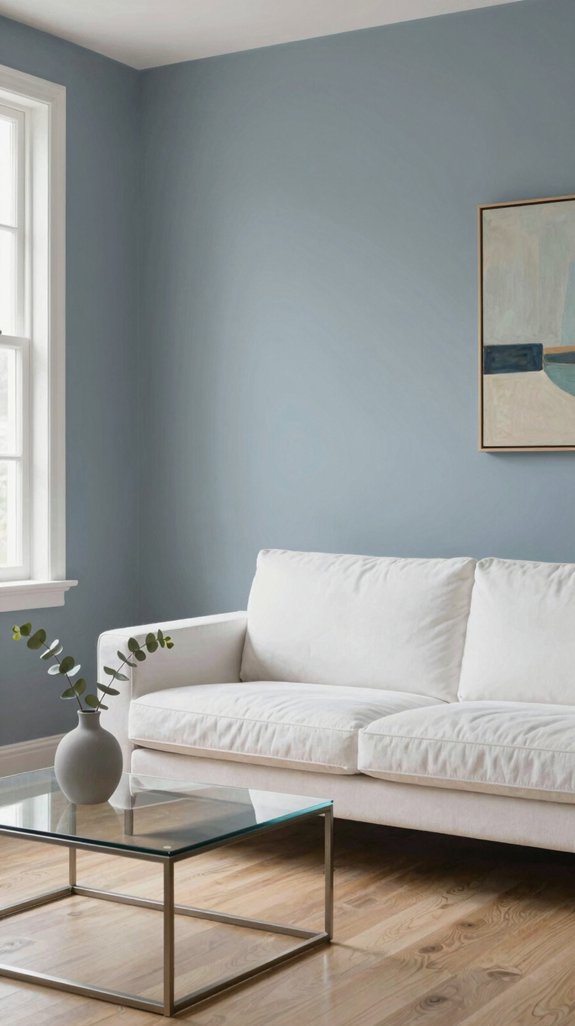
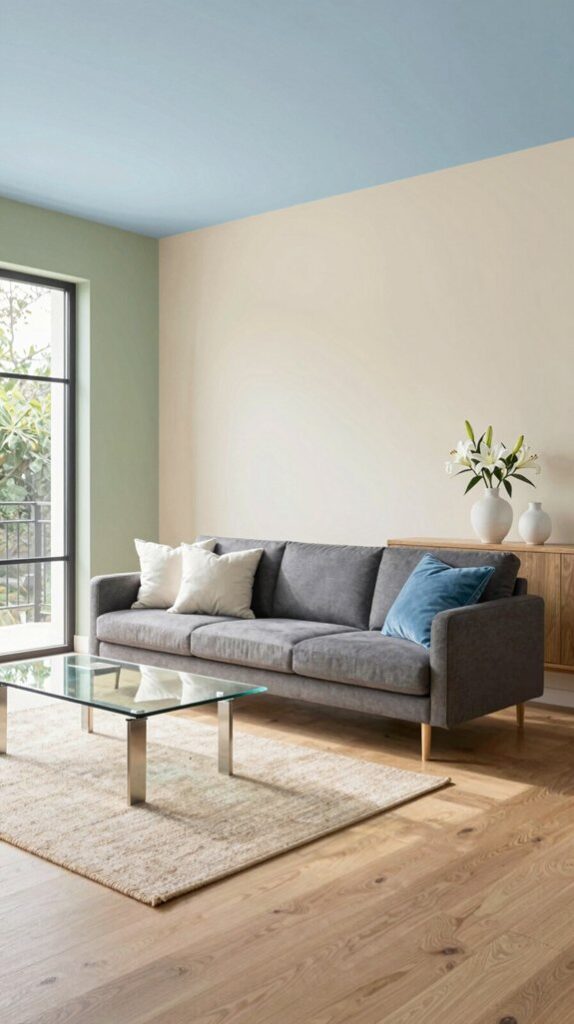
You’ll love how Borrowed Light turns daylight into a soft glow that instantly brightens a room, especially when you pick shades like All White, Stiffkey Blue, or Pavilion Gray. Matte finishes diffuse the light for a calming effect, while satin or semi‑gloss add subtle sheen and depth. Position north‑facing windows for cool, diffused tones, and south‑exposed openings for warm, vibrant hues. Pair these colors with reflective trims and sheer curtains to amplify the effect, and you’ll discover even more tips for a flawless transformation.
What Is Borrowed Light and Why Use It?
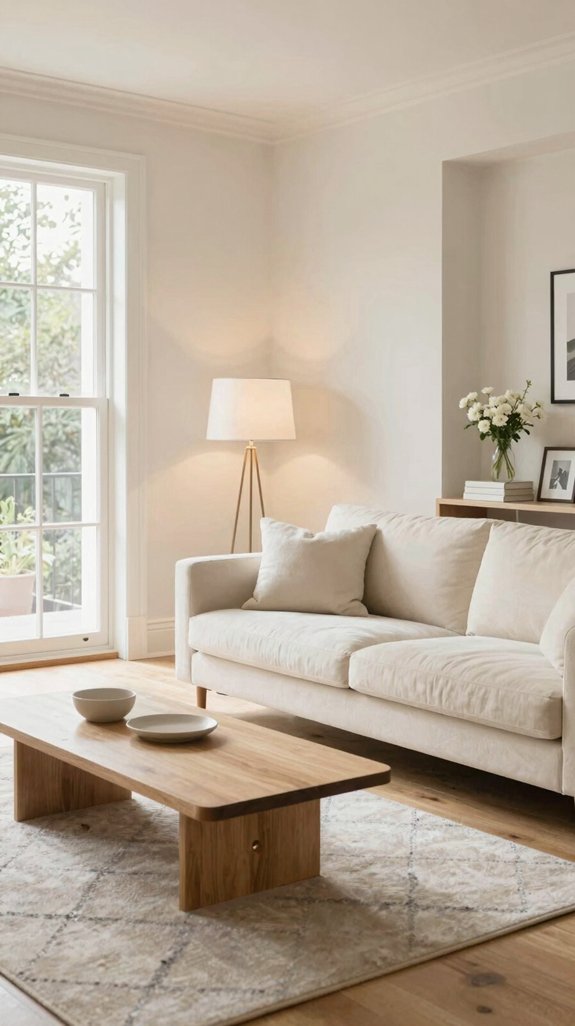
When you let natural light spill from a window into an adjacent room, you create borrowed light—a subtle, indirect illumination that softens shadows and adds depth without adding fixtures. Borrowed light transforms a space by extending daylight, making walls feel larger and colors richer. It lets you experiment with Farrow & Ball palettes that react to shifting tones, enhancing vibrancy without extra hardware. By channeling light through glass, doors, or open plans, you achieve a seamless glow that highlights texture and architectural detail. This technique reduces energy use, cuts design costs, and offers a dynamic, ever‑changing backdrop for innovative interiors.

Works on virtually any surface including wood, plastic, metal, fiberglass, concrete, wicker, vinyl and more

EASY TO USE, EVEN FOR BEGINNERS: Whether you’re new to DIY or a pro, Rust-Oleum Chalked makes painting easy and enjoyable. Minimal prep required means you can jump right into your project confidently and focus on creativity—not complicated steps.

Compatibility: Meet the Classic Collection. Not just a pretty cover for your phone, the Classic Collection Case from Casely features a two-part construction with a polycarbonate (PC) shell and a thermoplastic polyurethane (TPU) bumper, providing 360 degree coverage for your phone yet staying super slim and lightweight.
How Light Direction Shapes Borrowed Light Shades
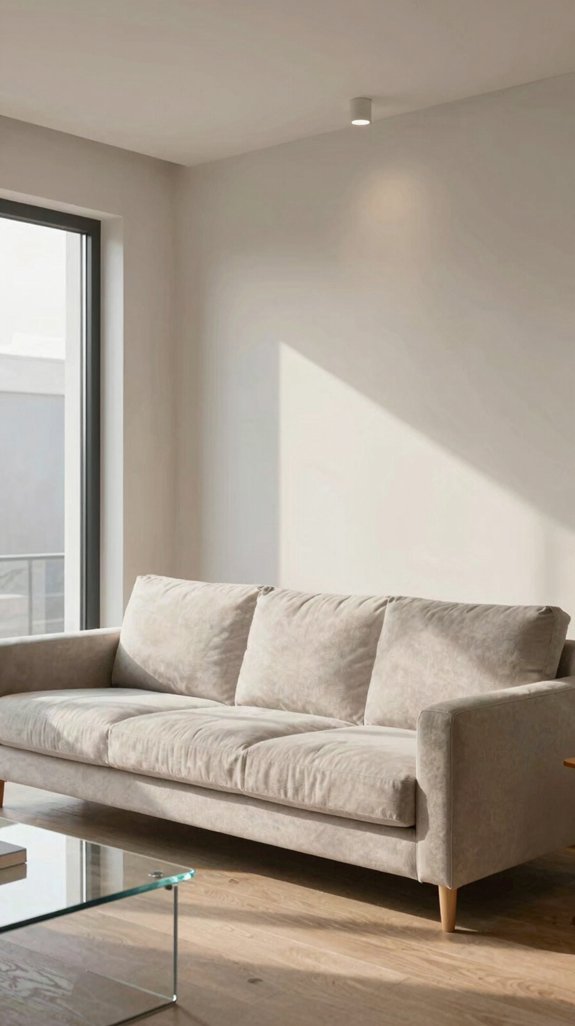
If the sun streams through a north‑facing window, the borrowed light will cast a cool, diffuse hue that tempers Farrow & Ball’s richer tones, whereas a south‑exposed opening pours warm, direct rays that intensify reds and oranges. You’ll notice that east‑facing light adds crisp, early‑day clarity, making pale blues and greens pop without overpowering. West light, by contrast, deepens shadows at dusk, enriching darker shades like Stiffkey Blue. Adjust placement of reflective surfaces to amplify or soften these effects, and experiment with translucent panels to steer light flow. Consider how matching frame finishes can echo the light quality you’ve cultivated, creating visual continuity between your wall art and the luminous environment you’ve designed. By mapping direction to hue, you control atmosphere, ensuring each room feels both innovative and intentionally balanced.

Ideal for use on interior/exterior surfaces including wood, plastic, plaster, metal, masonry and unglazed ceramic

Subtle semi gloss sheen creates a tough, washable finish that holds up to scrubbing in kitchens, bathrooms, doors and high traffic areas

Specially formulated for Therma-Tru fiberglass doors and composite materials.
Selecting the Right Borrowed Light Finish
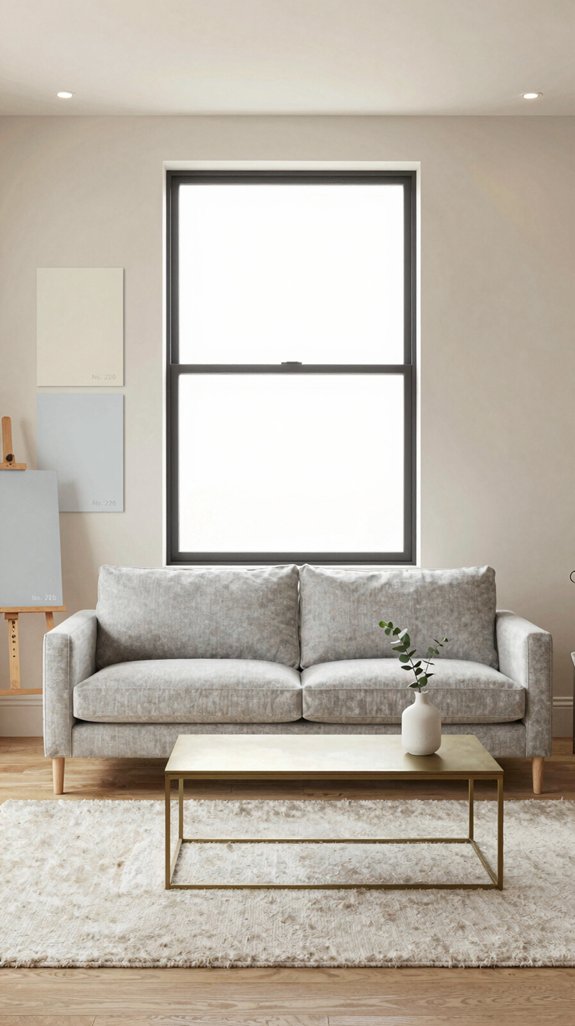
Choosing the right borrowed‑light finish starts with understanding how each surface interacts with the incoming glow; matte paints absorb and diffuse, while satin and semi‑gloss layers reflect, amplifying color intensity. You’ll test swatches under directional LEDs to gauge how the finish shifts hue at different angles. Opt for a satin when you want a subtle sheen that still preserves depth, and reserve semi‑gloss for high‑impact walls that demand vivid pop. Consider ambient light levels: darker rooms benefit from reflective finishes that bounce light, while bright spaces can handle matte’s soothing diffusion. Beyond paint selection, thoughtfully conceal distracting elements like electrical outlets and cords with boxes for hiding power strips, which maintains visual continuity and allows your chosen finish to shine without interruption. Pair finish with Farrow & Ball’s Borrowed Light palette for a balanced, innovative interior.
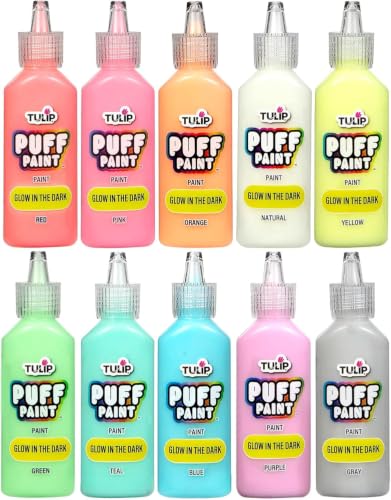
10 Glow-In-The-Dark Colors - Includes ten 0.75 fl oz bottles in an essential rainbow palette for glowing raised details.

26 GLOW COLORS: The Shuttle Art 3D fabric paint set includes 26 vibrant glow in the dark colors (20 ml / 0.67 oz bottles), 3 paint brushes, a user manual. Ideal for all your creative projects, including drawing, doodling, DIY crafts, and customizing items like t-shirts, shoes, caps, and more

10 Glow-In-The-Dark Colors - Includes ten 0.75 fl oz bottles, with two Natural bottles plus Red, Pink, Orange, Yellow, Green, Blue, Purple and Gray.
Preparing Walls for a Borrowed Light Paint Job
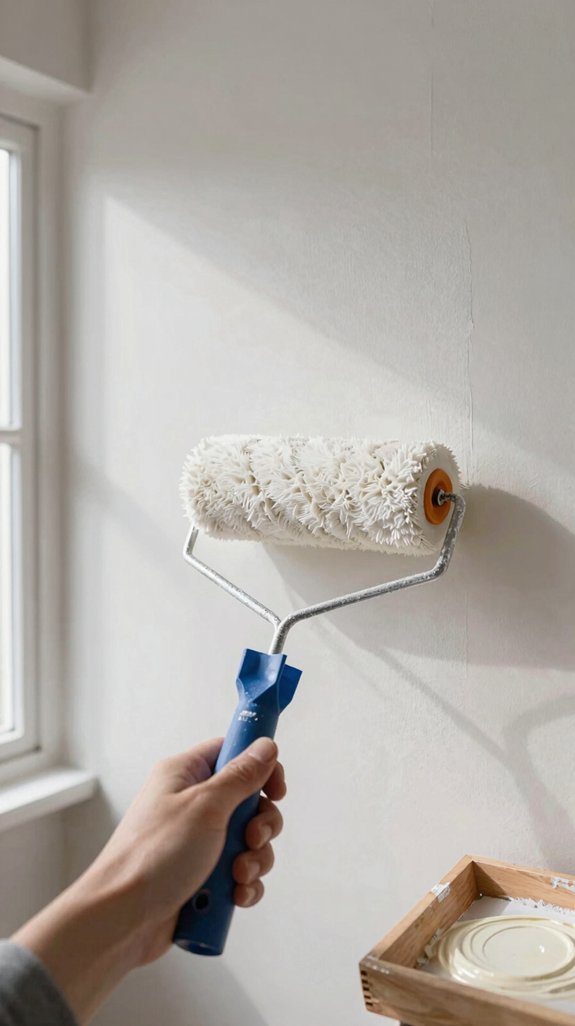
Ready to transform your space? Start by clearing the room, covering floors with drop cloths, and removing fixtures. Sand the wall lightly to smooth imperfections, then wipe with a damp cloth to eliminate dust. Apply a high‑quality primer that matches the Borrowed Light hue’s undertone; this seals the surface and enhances color fidelity. Use a painter’s tape for crisp edges around trim, windows, and doors. Allow the primer to cure fully—typically 30 minutes—before moving to the first coat. Work in thin, even layers, letting each dry completely. Consider the room’s layout and whether freestanding or wall-mounted storage solutions like coat racks might affect your painting approach, particularly near entryways. This meticulous prep guarantees a luminous, flawless finish.

The JKSafety hi-vis reflective fluorescent color mesh safety vests come with extended neon color trims for men, women, and workers. The vest body material is 110gsm American Mesh Fabric, allowing your body heat to pass through the safety apparel into the air. This natural ventilation provides comfort to the wearers. In addition, the safety utility is lightweight and machine washable in cold water.

Brushed micro-grid fleece interior feell nice against the skin and wicks away moisture helps you stay warm in winter

LIGHTWEIGHT WARMTH FOR COLD WEATHER ADVENTURES. Quick-drying 100% recycled polyester fleece with an anti-pilling finish delivers breathable warmth without bulk, keeping your doggy comfortable on winter walks, snowy hikes, and crisp morning outings.
Choosing the Best Borrowed Light Color for Living Rooms

Pulling the right Borrowed Light shade for your living room starts with evaluating the room’s natural light, ceiling height, and existing furnishings. If daylight streams through large windows, a cooler, muted tone like *Stiffkey* adds depth without overwhelming the space. Low ceilings benefit from lighter hues—*All White* or *Pavilion Gray*—to lift the eye. Rich, saturated furnishings call for a balanced contrast; pair a deep navy sofa with *Borrowed Light* for a subtle glow that unifies the palette. Test swatches at different times of day, observe how the color reflects off wood and metal, and select the shade that amplifies your design ambition while preserving harmony. Consider pairing your chosen Borrowed Light shade with stylish ceiling light fixtures to enhance the overall brightness and visual interest of your living room.
Borrowed Light Ideas for Small‑Space Bedrooms
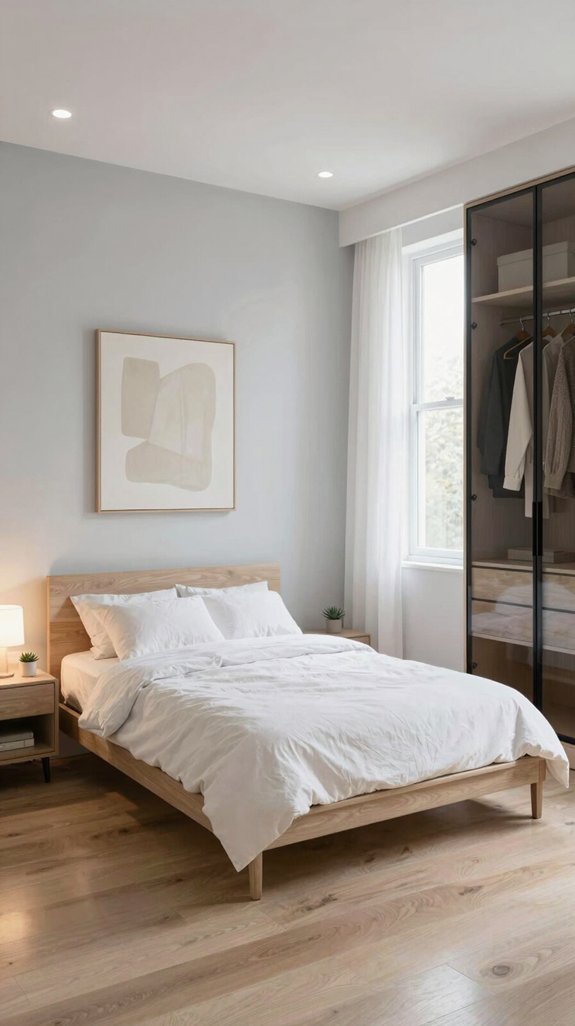
When you’re working with a compact bedroom, the right Borrowed Light hue can instantly expand the space and create a serene retreat. Choose Farrow & Ball’s “Borrowed Light” soft ivory for walls; it reflects natural light while keeping a warm, inviting tone. Pair it with a muted “Stiffkey Blue” accent wall behind the headboard to add depth without overwhelming. Install a light‑reflective mirror in a strategic corner to bounce hues around. Opt for minimalist furniture in light wood, and add sheer curtains that filter daylight. Soft gray-white paint shades like those featured in elegant neutral interiors create an additional layer of sophistication when used as trim or ceiling treatments. These coordinated touches amplify openness, making the room feel airy and stylish.
Brightening Kitchens With Borrowed Light Tones
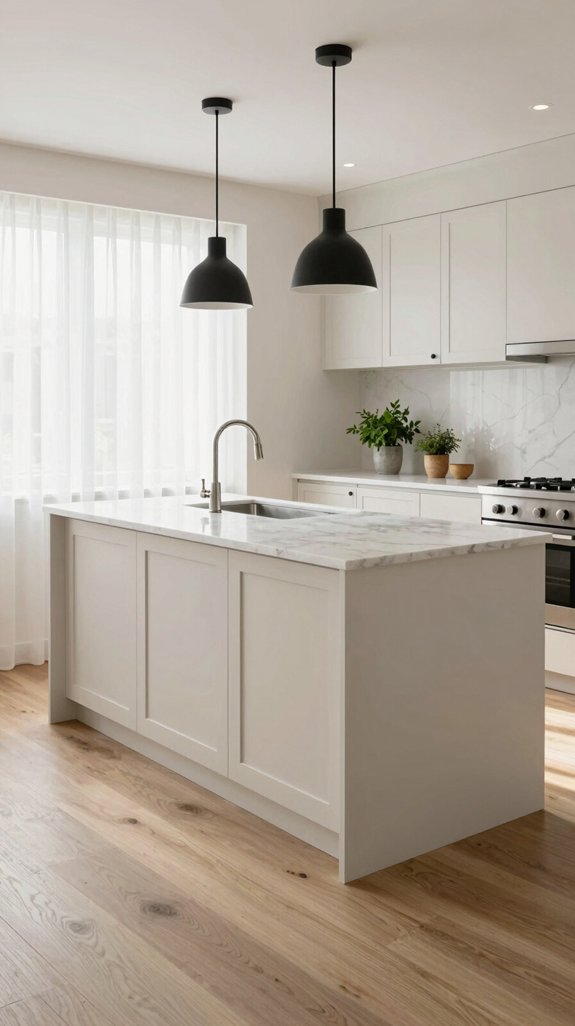
If you splash Farrow & Ball’s “Borrowed Light” soft ivory across your kitchen walls, the space instantly feels larger and more inviting. Pair it with matte black cabinets to create contrast that highlights the hue’s subtle glow. Install reflective backsplashes—glass or high‑gloss ceramic—to bounce light onto countertops, enhancing the airy vibe. Choose brushed brass hardware; its warm sheen complements the ivory without overwhelming it. Add recessed LED strips under cabinets; the soft illumination amplifies the borrowed light effect, making the room feel both spacious and sophisticated. Keep your kitchen hygienic by regularly wiping surfaces with antiviral surface cleaning products to maintain both cleanliness and the pristine appearance of your light-colored palette. Finally, keep countertops uncluttered, letting the color and light dominate the visual experience.

FLUORESCENT NEON COLORS UNDER LIGHT: Bright neon colors appear vibrant under daylight and UV light, creating eye-catching artwork with a glowing fluorescent effect

CONVENIENT SIZE – Paint comes in a convenient 2 oz bottle.

Make Designs Glow - Bring a glow effect to fabric crafts with Natural accents that add a fun twist to custom clothing and accessories.
Creating Cozy Dining Areas Using Borrowed Light
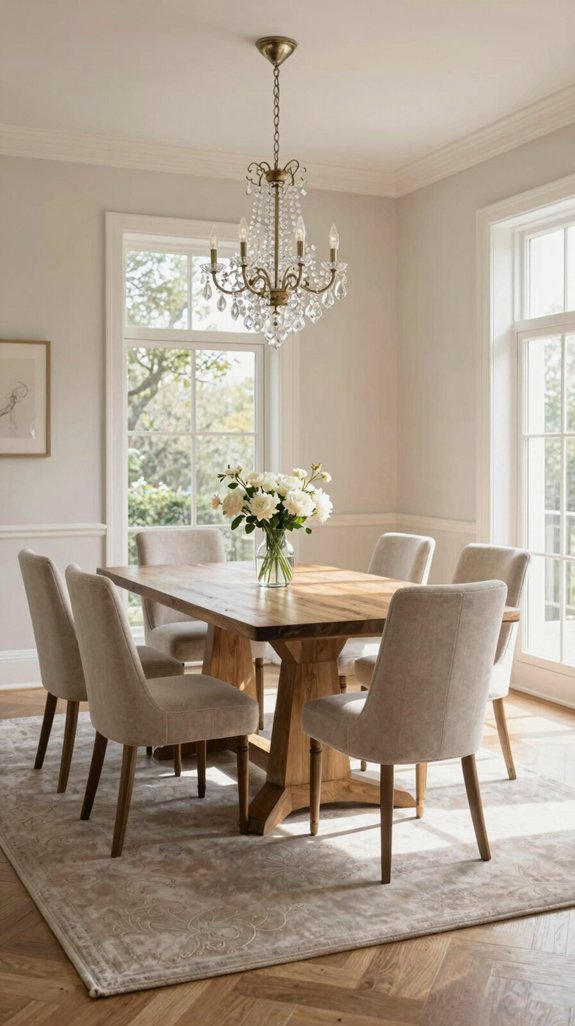
How can you make a dining room feel both intimate and luminous? Choose a Farrow & Ball “Borrowed Light” hue like Stiffkey Grey for walls, then pair it with a warm, reflective ceiling in Ammonite. Install a recessed LED strip behind a glass-fronted sideboard; the light bounces off the glossy finish, creating a soft halo. Add a low‑profile rug in a muted Warm to absorb excess glare while defining the space. Hang a statement pendant in brushed brass, its metallic sheen amplifying the borrowed light. For added depth and richness, consider incorporating wine-red paint accents on a feature wall to create visual interest alongside the luminous neutrals. Finish with textured linen chairs that echo the wall tone, completing an innovative, cozy dining ambiance.
LIGHTWEIGHT WARMTH FOR COLD WEATHER ADVENTURES. Quick-drying 100% recycled polyester fleece with an anti-pilling finish delivers breathable warmth without bulk, keeping your doggy comfortable on winter walks, snowy hikes, and crisp morning outings.

The JKSafety hi-vis reflective fluorescent color mesh safety vests come with extended neon color trims for men, women, and workers. The vest body material is 110gsm American Mesh Fabric, allowing your body heat to pass through the safety apparel into the air. This natural ventilation provides comfort to the wearers. In addition, the safety utility is lightweight and machine washable in cold water.
The JKSafety hi-vis reflective fluorescent color mesh safety vests come with extended neon color trims for men, women, and workers. The vest body material is 110gsm American Mesh Fabric, allowing your body heat to pass through the safety apparel into the air. This natural ventilation provides comfort to the wearers. In addition, the safety utility is lightweight and machine washable in cold water.
Using Borrowed Light in Home Offices
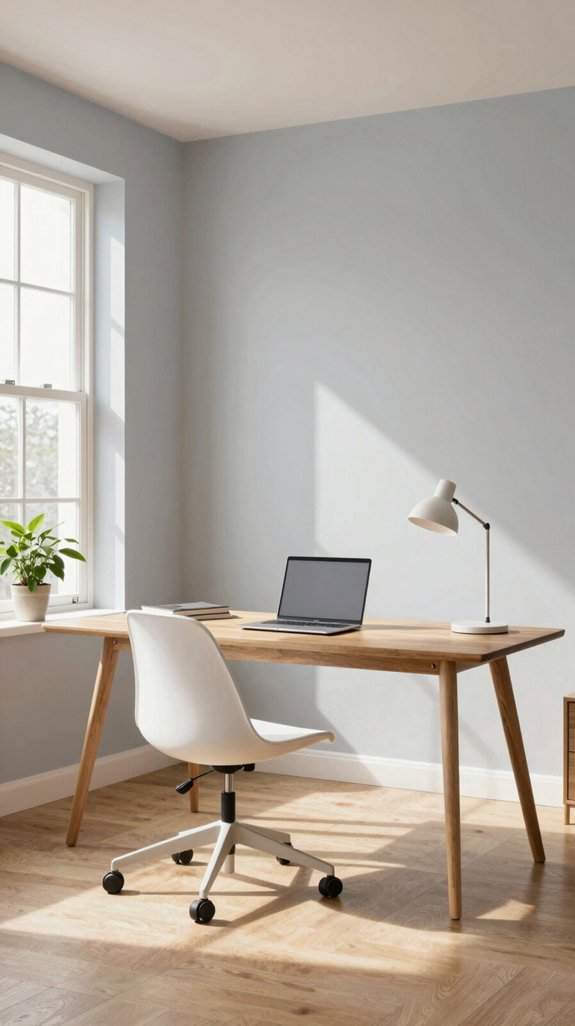
Even though a home office can feel cramped, a Farrow & Ball “Borrowed Light” shade like Pavilion Gray on the walls instantly opens the space. You’ll notice how the subtle coolness amplifies natural light, reducing glare on screens while keeping the room bright. Pair the hue with sleek, adjustable desks and ergonomic chairs to reinforce a modern, airy vibe. Use reflective accessories—metallic lamp bases, glass shelves—to bounce light across the wall, creating depth without clutter. Integrate hidden LED strips behind shelving to maintain the luminous ambiance after dusk. The result is a focused, innovative workspace that feels larger and more inspiring.
Pairing Borrowed Light With Existing Furniture
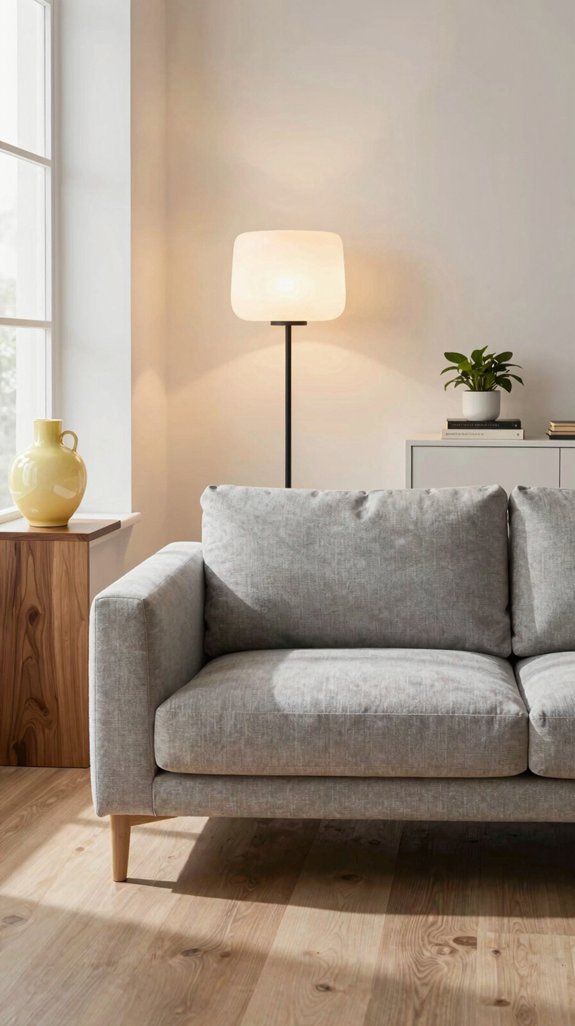
The airy vibe of a “Borrowed Light” wall works best when it complements the pieces you already own. You’ll start by mapping the wall’s cool, muted hue against your sofa’s fabric, your table’s metal finish, and your rug’s pattern. If the wall leans toward a soft gray, pair it with chrome accents and charcoal upholstery for contrast that feels intentional, not forced. Light wood tones echo the wall’s subtle warmth, while glass or acrylic pieces preserve the airy feel. Keep the scale balanced: a large statement sofa anchors the space, while sleek side chairs add visual interest without overwhelming the light‑infused backdrop. When selecting seating, consider how armchairs evaluated for comfort can enhance both the aesthetic and functionality of your room.
Complementary Accent Colors for Borrowed Light
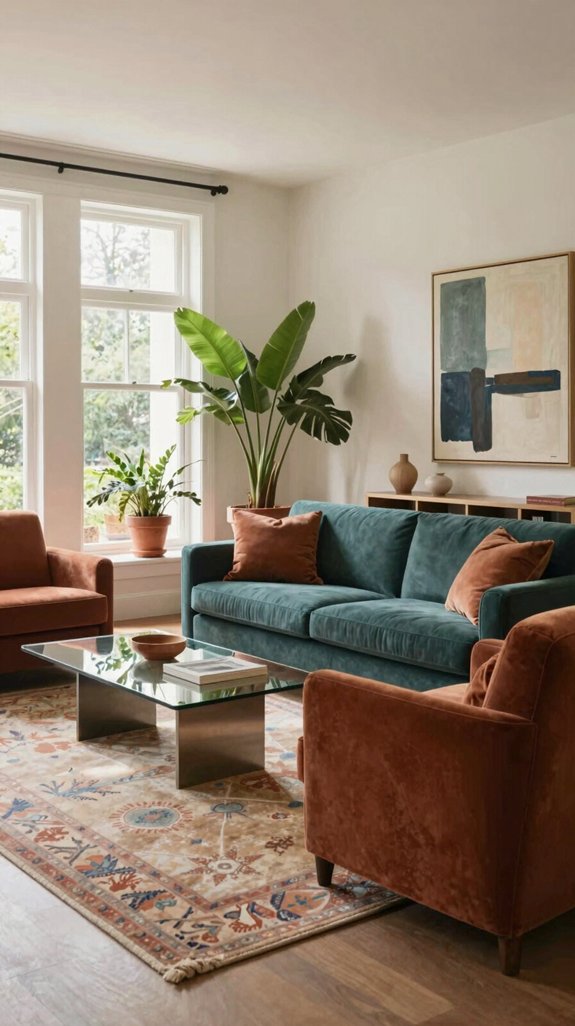
When you introduce complementary accent colors to a Borrowed Light wall, you instantly create depth without breaking the serene vibe. Pair the soft, warm neutrals of Borrowed Light with bold, saturated hues like Arsenic or Stiffkey Blue to anchor visual interest. Use these accents sparingly—on a single sofa, a statement rug, or a gallery wall—to maintain balance. Opt for matte finishes that absorb light, preserving the room’s airy feel. Experiment with metallic accessories in brushed copper or pewter to echo the wall’s subtle glow while adding a contemporary edge. The result is a layered, innovative space that feels both tranquil and dynamic.
Soft Blues: Calm‑Inducing Effects in Any Room
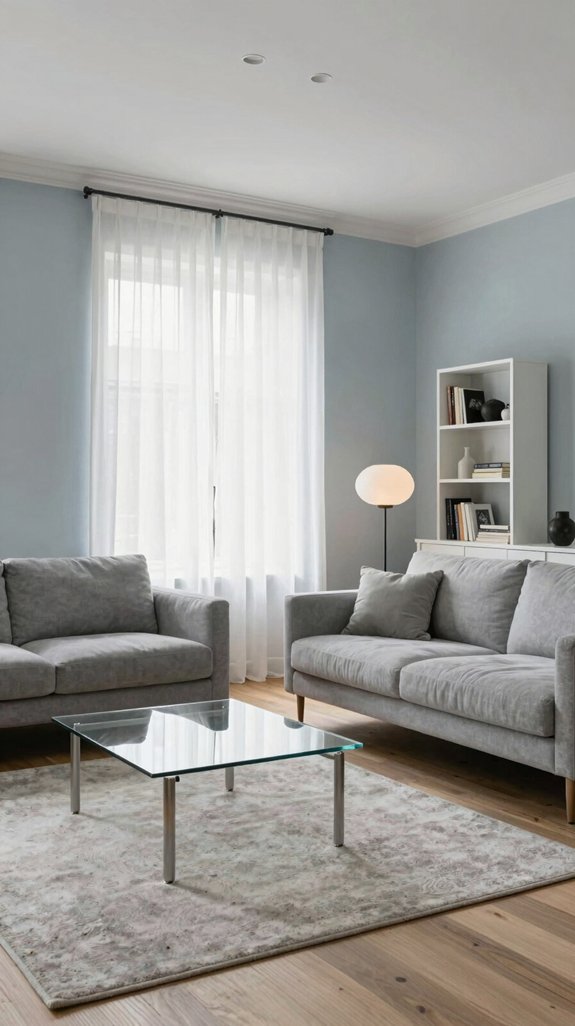
Soft blues instantly quiet a space, turning a room into a soothing retreat without sacrificing style. You’ll notice how light‑reflective pigments expand visual breadth, letting natural daylight weave through subtle azure veins. Pair a muted sky hue with matte black hardware for a futuristic contrast that still feels gentle. Use the color on a feature wall, then layer translucent curtains to amplify calm while preserving depth. The tonal softness encourages focus, making it perfect for home offices or meditation corners. By integrating Farrow & Ball’s “Borrowed Light” blues, you embed a serene, modern aesthetic that quietly elevates everyday living. The textured visual impact of soft blue walls creates depth perception that enhances the calming effect while adding sophisticated dimensionality to your interior.
Warm Greys: Adding Depth Without Darkening
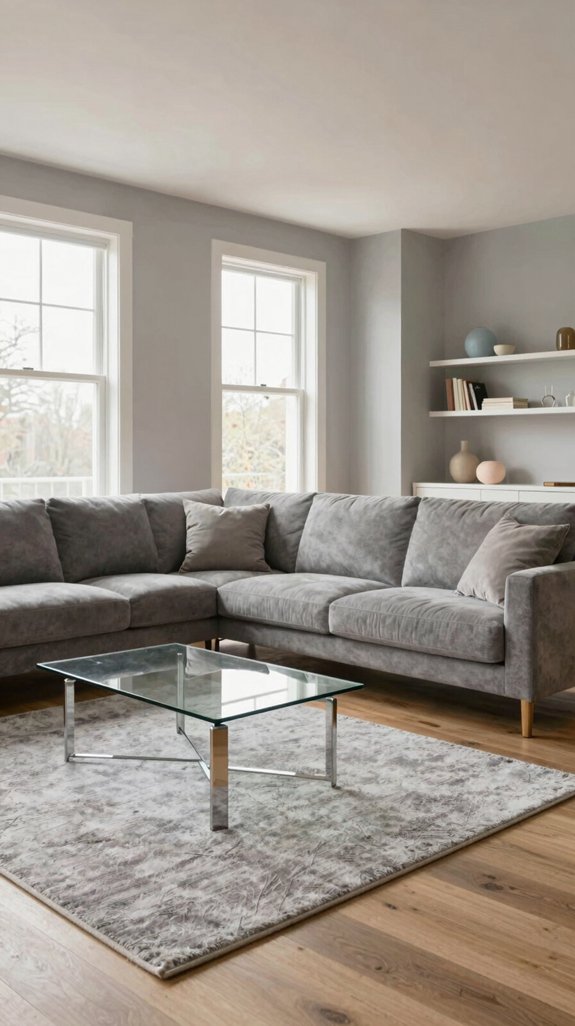
If you crave depth without the weight of darkness, warm greys from Farrow & Ball’s “Borrowed Light” line deliver just that. You’ll notice subtle undertones of beige and taupe that soften the hue, letting light bounce off walls while preserving a sophisticated backdrop. Pair a greys wall with high‑gloss trim to accentuate texture, or use matte finishes for a muted, tactile feel. The palette works with both natural daylight and LED fixtures, enhancing architectural details without overwhelming space. Experiment with accent pieces in copper or brushed steel to amplify the modern, innovative vibe while maintaining an airy, balanced atmosphere. For those seeking a more dramatic aesthetic, moody living spaces can benefit from deeper warm grey tones that create sophisticated, contemplative environments.
Butter‑Creams: Enhancing Natural Light Flow
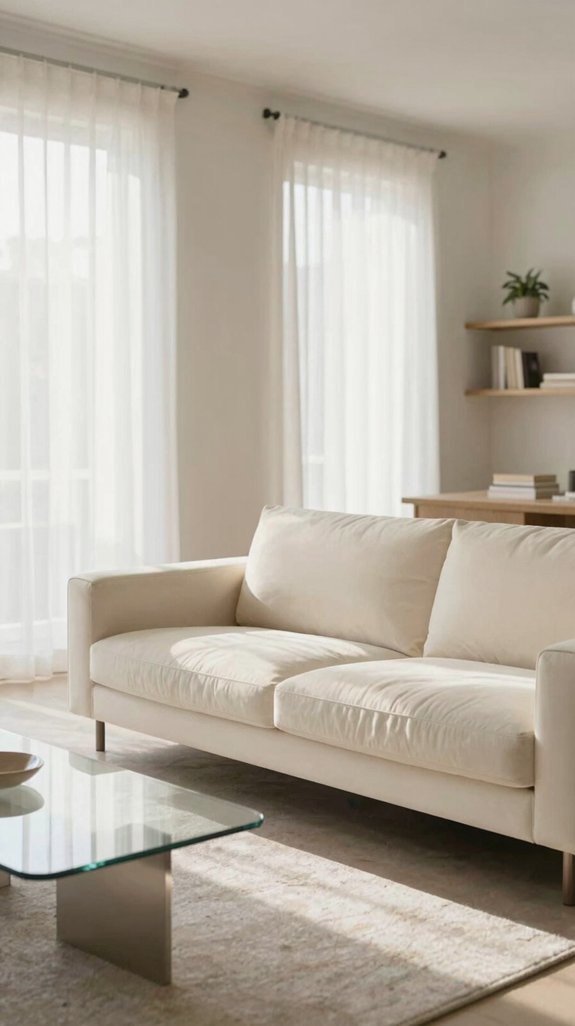
Because butter‑cream shades reflect light like a gentle sunrise, they instantly amplify the natural illumination in any room. You’ll notice how the subtle warm undertones bounce off walls, extending daylight deeper into corners and across furniture. Choose Farrow & Ball’s “Buttercup” or “Creamery” to create a luminous backdrop that enhances textures without overwhelming them. Pair these hues with sleek, reflective fixtures to maximize brightness while preserving a calm, sophisticated vibe. The result is a space that feels airy, modern, and inviting—perfect for innovators who crave both style and functional light flow. These butter-cream colors work beautifully as decorative banners for seasonal updates, allowing you to refresh your space with soft, luminous tones that maintain visual harmony throughout the year.
How to Test Borrowed Light Samples on Your Walls
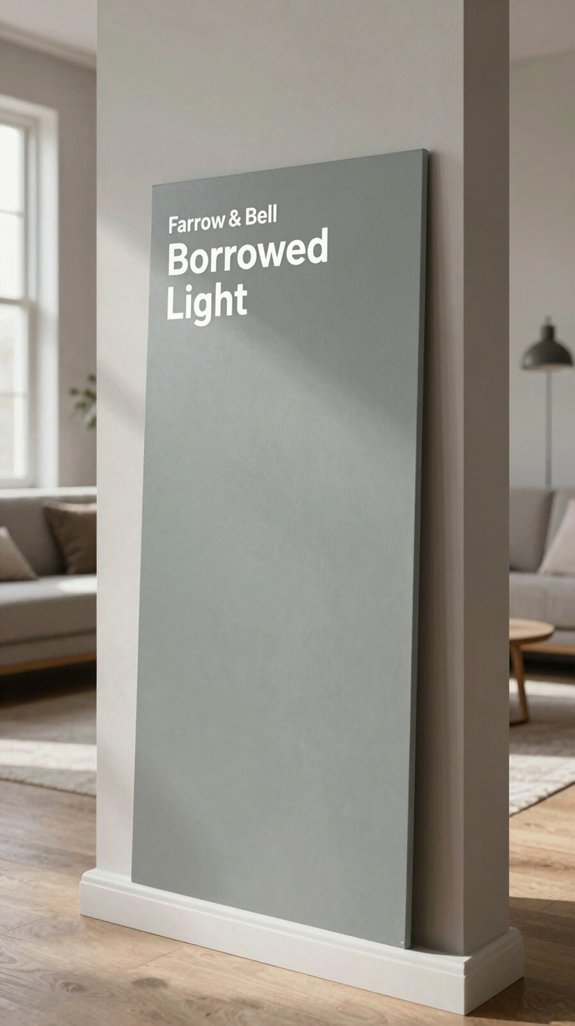
After enjoying the glow of butter‑cream shades, you’ll want to see how those hues behave in your own space. Start by cutting 2 inch squares from each sample and tape them at eye level on a neutral wall. Observe each square at sunrise, noon, and dusk, noting shifts in temperature and reflectivity. Use a digital color meter to record L*a*b* values, then compare them to the manufacturer’s specifications. Rotate the squares 90° to reveal directional bias, and photograph each lighting condition for side‑by‑side analysis. Consider implementing cable management solutions behind your testing area to keep measurement devices and cords organized and out of the way. This systematic approach lets you validate performance before committing to full‑wall coverage.
Painting Techniques for Even Borrowed Light Coverage
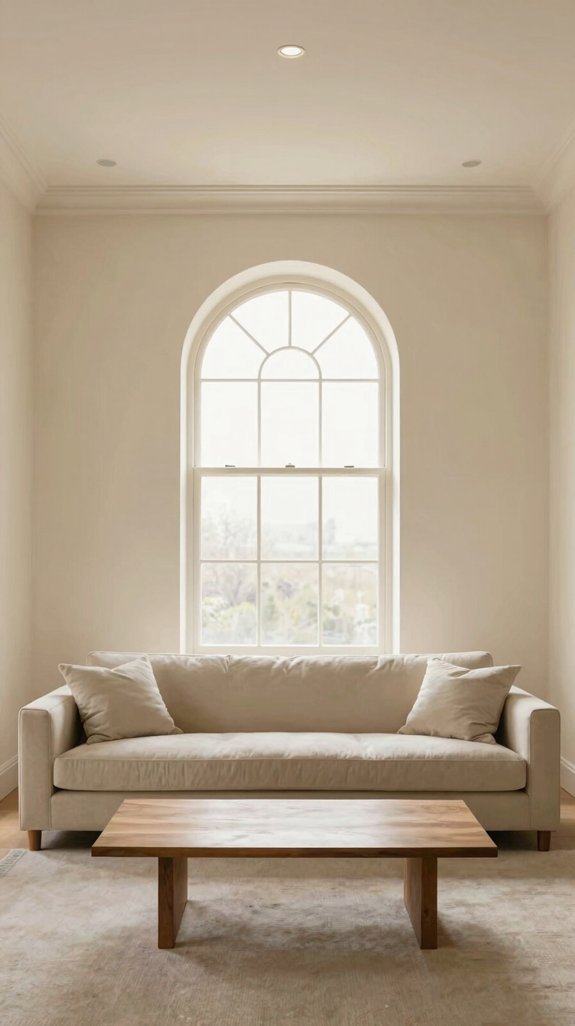
Wondering how to keep borrowed‑light hues uniformly luminous across a room? Start with a high‑quality primer that seals and, ensuring the paint adheres evenly. Load your roller with a thin, consistent film; avoid over‑saturating to prevent streaks. Apply in overlapping, “W” patterns, then back‑roll while the paint is still wet to smooth changes. Use a brush for edges and corners, feathering into the rolled area. Maintain a wet edge by working in sections no larger than 4 ft². For high-traffic areas, consider using wipeable interior wall paints to protect your finish from marks and stains over time. Finish with a low‑sheen Farrow & Ball topcoat to lock in color while preserving the soft, diffused glow.
Common Mistakes When Using Borrowed Light (and How to Avoid Them)
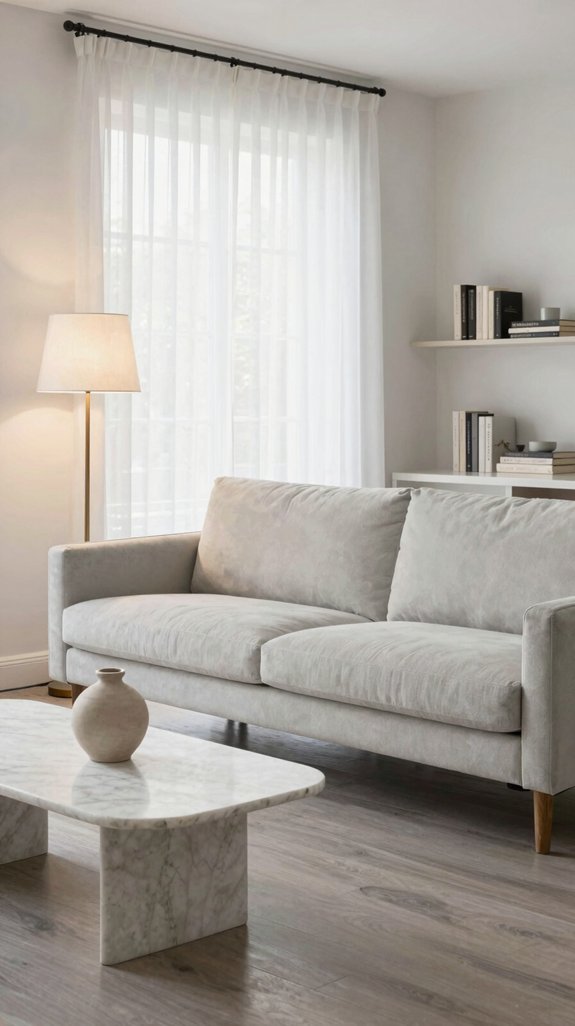
A smooth, even coat of primer and careful roller technique set the stage, but even the best preparation can be undone by common missteps. You often over‑dilute Borrowed Light, losing its depth; keep the mix at the manufacturer’s ratio for peak translucency. Skipping a test patch leads to surprise glare—apply a small swatch, observe under varied lighting, then adjust. Rushing the second coat creates streaks; let the first layer fully cure before re‑rolling. Ignoring edge masking results in uneven borders—use painter’s tape and feathered strokes. Finally, neglecting ventilation causes uneven drying; maintain airflow and temperature for consistent, vibrant finish.
Maintaining Borrowed Light Paint Over Time
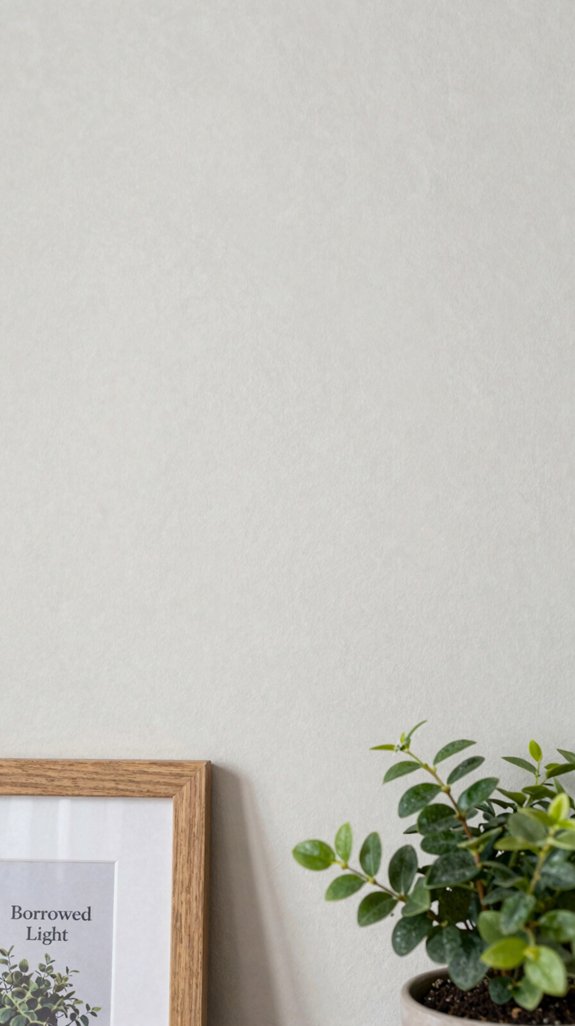
Because Borrowed Light’s subtle translucency can fade or shift over years, regular upkeep is essential to preserve its luminous depth. First, test a hidden area with a gentle, pH‑balanced cleaner; avoid abrasive agents that strip the pigment’s micro‑gloss. Second, schedule a bi‑annual touch‑up using the original Farrow & Ball formula, applying thin, even coats to maintain the depth‑enhancing scattering effect. Third, control indoor humidity and UV exposure with smart sensors and low‑E window films, preventing premature oxidation. Fourth, maintain painted surfaces with essential janitorial supplies designed for delicate finishes, ensuring longevity without damage. Finally, document each maintenance cycle in a digital log, noting color temperature shifts, so you can calibrate future applications with data‑driven precision.
Budget‑Friendly Ways to Upgrade With Borrowed Light
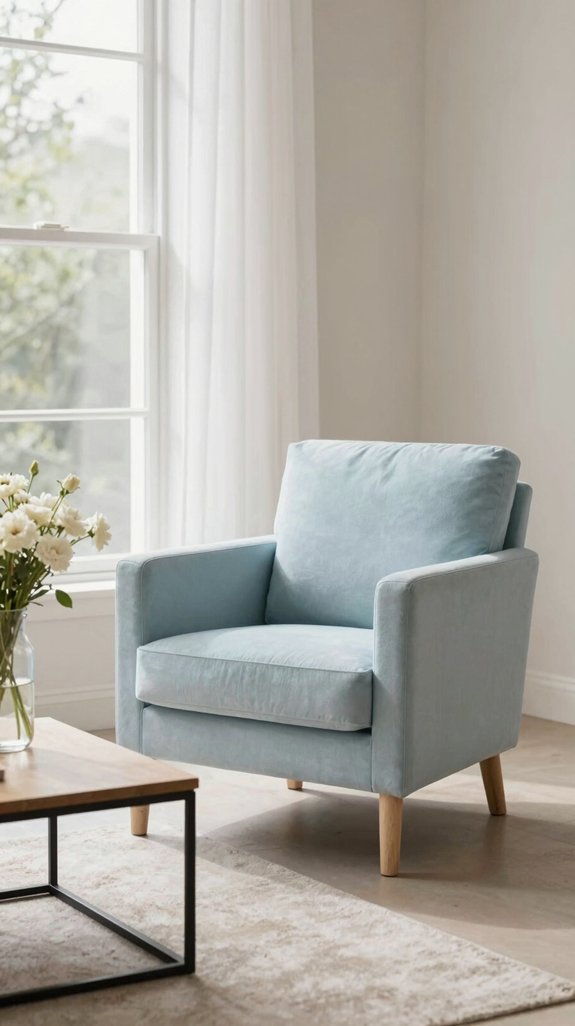
If you want to boost a room’s glow without breaking the bank, start by swapping out hardware and accessories in the borrowed‑light palette. Replace matte black fixtures with brushed brass or soft white lampshades that echo the paint’s subtle sheen. Add reflective trim—thin metal or mirrored molding—to bounce light across walls. Use affordable peel‑and‑stick wallpaper in a muted pastel that complements the hue, creating depth without a full remodel. Layer sheer curtains in a complementary tone to diffuse natural sunlight. Consider pairing your refreshed space with accent lighting kits to enhance the mood and decorative illumination throughout the room. Finally, incorporate inexpensive decorative objects—ceramic vases, woven baskets—finished in the same warm undertone, reinforcing the luminous atmosphere.
Eco‑Friendly Aspects of Farrow & Ball Borrowed Light
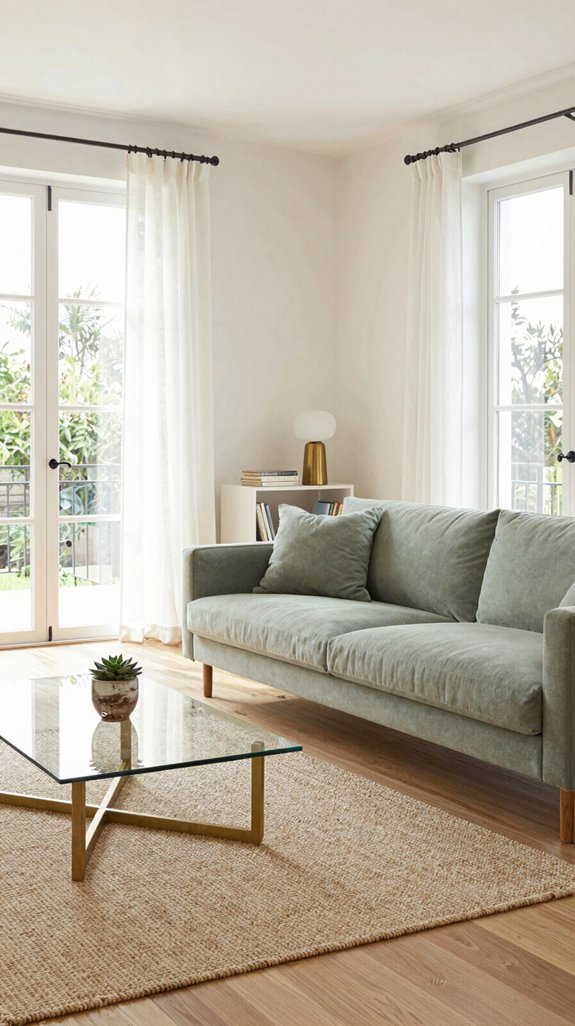
When you choose Farrow & Ball’s Borrowed Light, you’re also opting for a more sustainable interior. Their pigments derive from natural minerals, reducing reliance on petro‑chemical dyes. The paint’s low‑VOC formula limits indoor air pollutants, while the water‑based carrier cuts carbon emissions during production. Each batch uses recycled packaging, and the company reports a 30 % reduction in waste compared with industry averages. You’ll benefit from longer‑lasting finishes, meaning fewer re‑paints and lower material turnover. The brand’s supply chain tracks carbon footprints, offering transparent metrics that let you quantify environmental impact while achieving cutting‑edge aesthetic appeal.
Customer Stories: Transformations With Borrowed Light
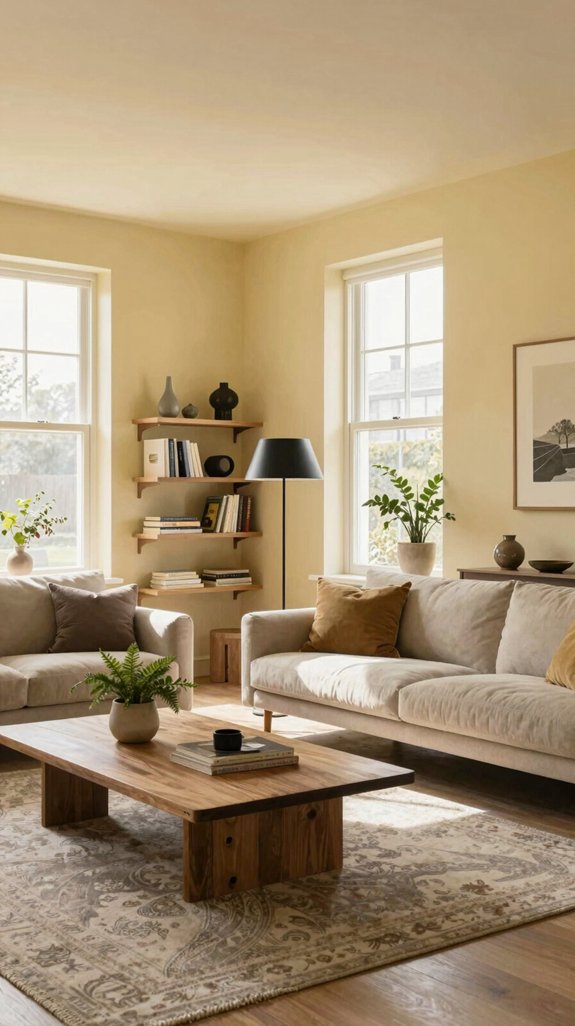
Although the name suggests a subtle hue, Borrowed Light often becomes the focal point of a room, and homeowners are sharing dramatic before‑and‑after photos that prove it. You’ll see a cramped kitchen transformed into a luminous studio, the pale walls now glowing with warm depth that highlights countertops and cabinetry. In a living room, the same paint turned a flat gray into a radiant backdrop, making artwork pop and furniture feel lighter. One bedroom’s ceiling, once dull, now reflects natural light, creating an airy sanctuary. These stories show how a single color choice can reinvent space, boost mood, and inspire bold, modern design.
Frequently Asked Questions About Borrowed Light
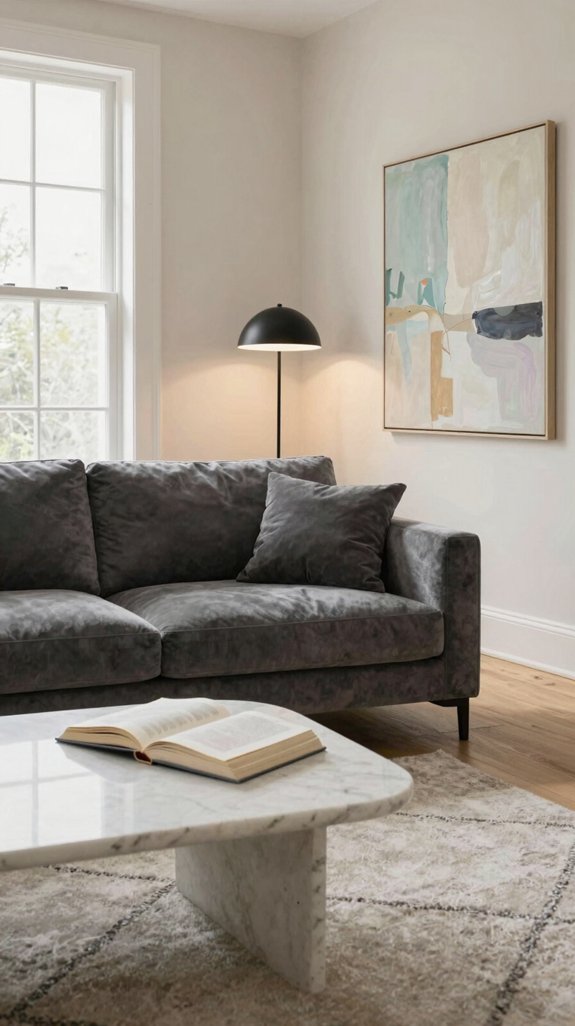
The inspiring transformations you just saw raise a few practical questions, and this FAQ tackles them head‑on.
How many coats? Two thin layers give even coverage; a third adds depth if you crave dramatic contrast.
Can I use it on ceilings? Absolutely—borrowed light works on any flat surface, but test a small patch to gauge glare.
What lighting works best? Natural daylight amplifies the hue; warm bulbs soften it, while cool LEDs sharpen the reflective quality.
Is primer required? Only on glossy or stained substrates; otherwise, the paint adheres directly.
How long does it dry? Touch‑dry in 30 minutes, full cure in 24 hours, allowing you to layer décor quickly.
Where to Buy Farrow & Ball Borrowed Light Paint

Looking to snag Farrow & Ball’s Borrowed Light? You’ll find it at the brand’s flagship stores, where knowledgeable staff can guide you through swatches and digital visualizers. Their official website offers direct purchase, free shipping on orders over $200, and a “try‑before‑you‑buy” sample kit. Select high‑end retailers—such as Design Within Reach, West Elm, and local boutique paint shops—stock the shade, often with exclusive color‑matching services. For convenience, browse verified online marketplaces like Amazon and Houzz, ensuring the seller lists “Farrow & Ball Borrowed Light” and displays the authentic product code. Compare inventory levels, delivery timelines, and return policies before committing.
Final Tips for a Seamless Borrowed Light Refresh
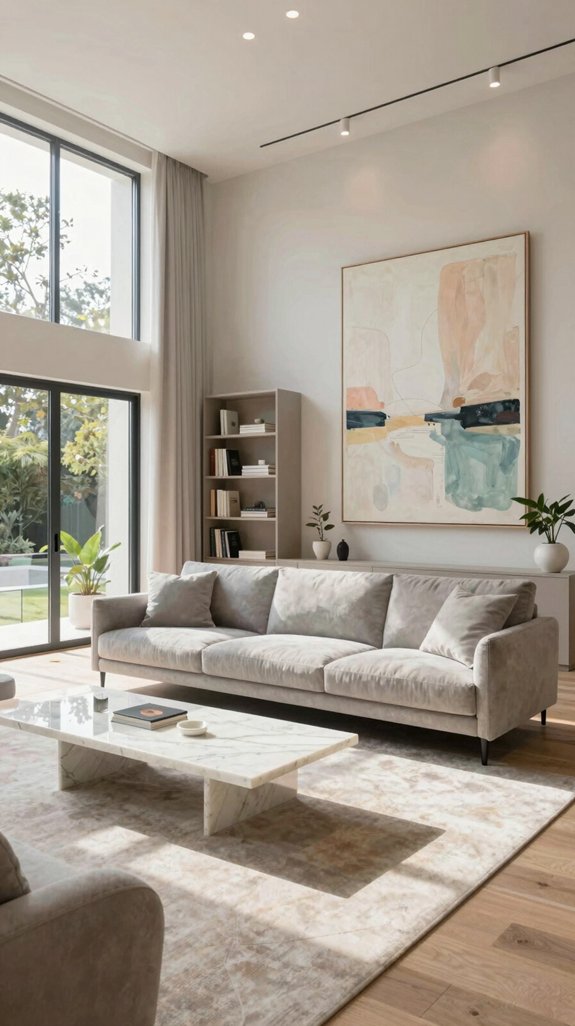
Now that you’ve secured Borrowed Light, keep the finish flawless by prepping the surface, testing lighting, and planning a systematic rollout. Start with a fine‑grit sandpaper, wipe away dust, and apply a high‑bond primer to guarantee pigment adhesion. Use a portable lux meter to confirm even illumination across the room; adjust lamp placement until the light reads within a 5‑lux variance. Paint in thin, overlapping strokes, employing a low‑VOC, water‑based formula for quick drying. Schedule each wall’s coating in a staggered sequence, allowing 24‑hour cure periods before moving to the next. Finally, seal with a matte clear coat to preserve color depth and resist wear.
Frequently Asked Questions
Can Borrowed Light Be Mixed With Other Farrow & Ball Shades?
Yes, you can blend Borrowed Light with other Farrow & Ball shades; just test proportions on a swatch, layer gradually, and let the pigments interact to achieve a fresh, innovative interior palette.
Is Borrowed Light Suitable for High‑Traffic Hallway Walls?
Yes, Borrowed Light works well in high‑traffic hallways; its subtle, warm tone hides scuffs while reflecting light, creating a fresh, inviting atmosphere that endures heavy use without looking dated.
How Does Humidity Affect Borrowed Light’s Finish Over Time?
You’ll see humidity cause the finish to soften and lose its crisp sheen, leading to subtle blotches or cloudiness over years; the moisture penetrates, swelling pigments and altering the light‑reflective quality.
Can Borrowed Light Be Applied Over Previously Painted Glossy Surfaces?
You can apply Borrowed Light over glossy walls, but first sand the surface to dull the sheen, then prime with a bonding primer; the matte finish will adhere, revealing the color’s depth.
Are There Specific Lighting Fixtures That Enhance Borrowed Light’s Effect?
Choose recessed LEDs with warm, directional beams, matte‑finished wall sconces, and dimmable track lights; they amplify the subtle glow, highlight texture, and keep the borrowed‑light effect crisp and innovative.