Chocolate brown brings instant warmth and sophistication to a room, serving as a rich, grounding backdrop that enhances the impact of ivory, sage green, sapphire, and pistachio without dominating the space.
Its deep, earthy hue absorbs excess light, minimizing glare while adding visual depth, and the subtle amber undertones subtly shift with natural daylight, creating dynamic interest throughout the day.
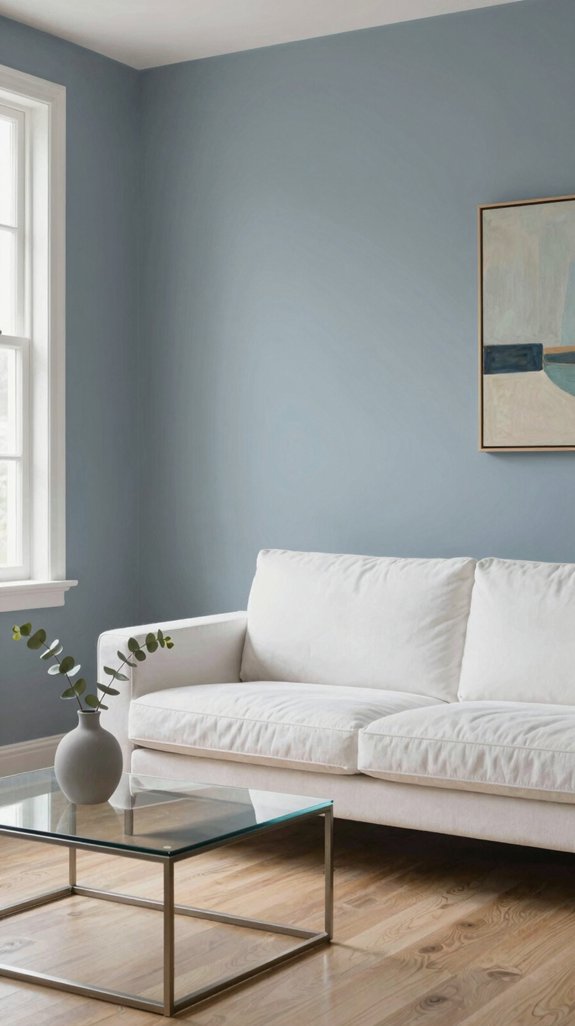
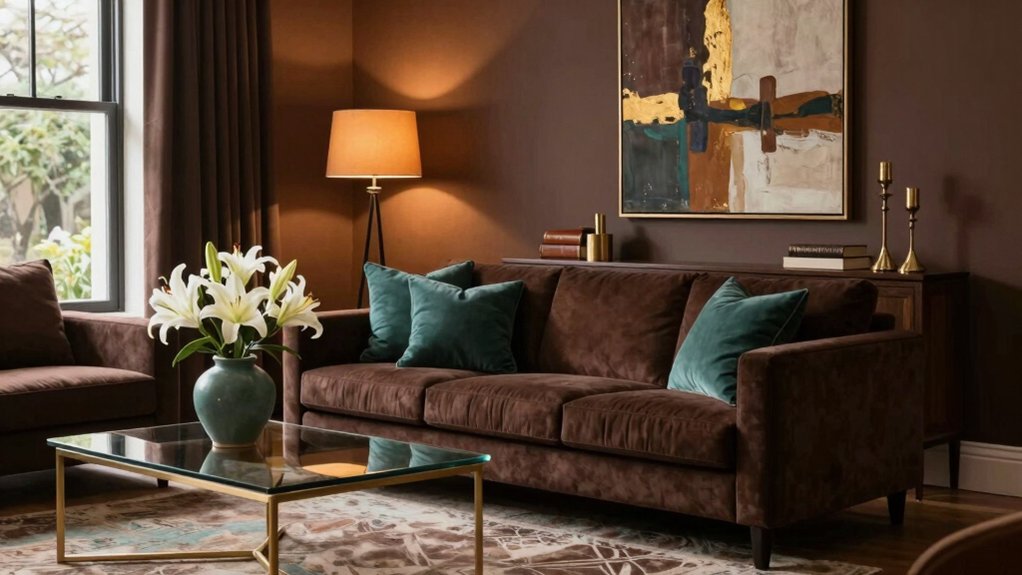
When paired with ivory trim, the contrast brightens and elevates the space; sage green introduces a calming, organic texture; sapphire lends refined, jewel-toned accents; and pistachio adds a fresh, lively touch as a feature wall.
Thoughtful application of these combinations can transform a room into a carefully layered, inviting retreat.
Why Chocolate Brown Works in Interior Design
Even though many assume dark hues overwhelm a space, chocolate brown actually grounds a room, creating a warm, sophisticated backdrop that allows other design elements to stand out. Its deep, earthy tone absorbs excess light, reducing glare while maintaining depth, which helps a space feel both intimate and surprisingly expansive. By anchoring the visual weight, it invites thoughtful layering of textures—like linen upholstery, brass accents, and reclaimed wood furniture—without creating visual chaos. The subtle undertones of amber and mahogany interact beautifully with natural light, shifting slightly in appearance throughout the day and adding quiet, dynamic interest. This versatility makes it ideal for a range of interior styles, from sleek minimalist schemes to richly layered, eclectic interiors, as it remains neutral enough to blend seamlessly yet distinct enough to lend character and depth.

Use for a variety of indoor and outdoor project surfaces including wood, metal, plaster, masonry or unglazed ceramic

This product is Non-toxic
How to Choose Complementary Colors for Chocolate Brown
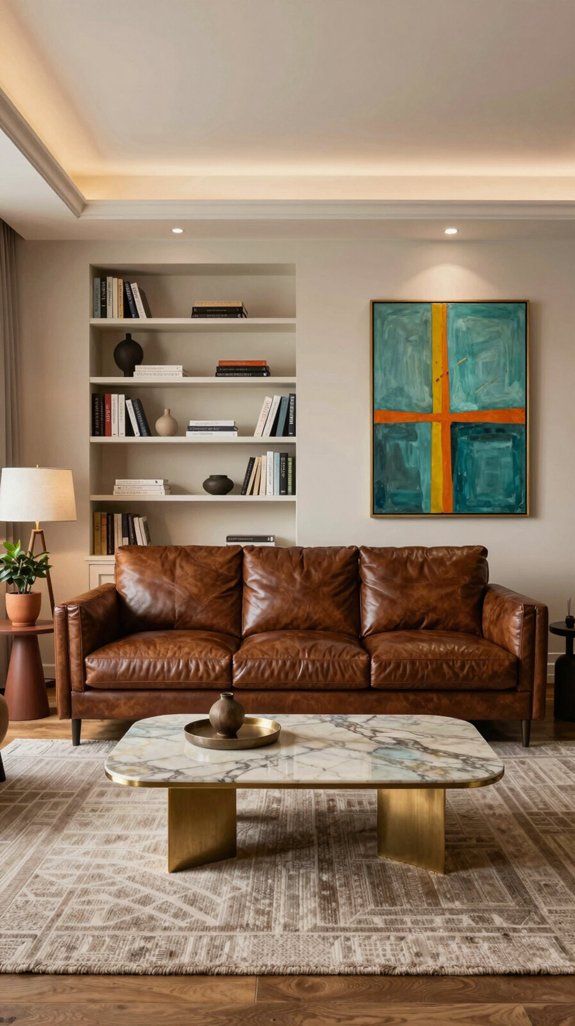
When pairing chocolate brown in home decor, start by identifying its dominant undertone—whether it leans warm with amber hints, cool with mahogany depth, or neutral with gray balance. Once determined, use the color wheel to find complementary shades: colors opposite or arranged in a triadic scheme. For warm amber-toned browns, try muted teal on accent walls or soft copper in decorative accessories. Mahogany-rich browns pair beautifully with icy lavender in textiles or deep teal cabinetry. Neutral chocolate browns with gray undertones work well with bold mustard in furniture or crisp teal in tiles and rugs. Always test combinations under different lighting conditions, as natural daylight can significantly alter how colors interact. Keep in mind that texture influences perception—matte finishes on walls or furniture soften a scheme, while glossy surfaces on floors or cabinetry heighten contrast. By layering paint swatches, fabric samples, and digital mockups, you can refine a palette that feels harmonious, grounded, and richly intentional. Choose the right paint finish to enhance the overall mood.

Package Contents: You will receive 1 roll of crown molding peel and stick, with a total length of 5m/16.4ft, a width of 2.6cm/1.02in, and a thickness of 0.7cm/0.28in. This roll of peel and stick crown molding is of ample size to meet your usage and replacement needs

1.Mirro1.Mirror Frame Peel and Stick 16.4FT Ivory Gold trim designed for vanity mirrors - peel and stick installation with no tools.r Frame Peel and Stick

Easy Application: Our product boasts a hassle-free installation with just three easy steps: cut, peel, and stick
Applying Chocolate Brown With Ivory, Sage Green, and Sapphire
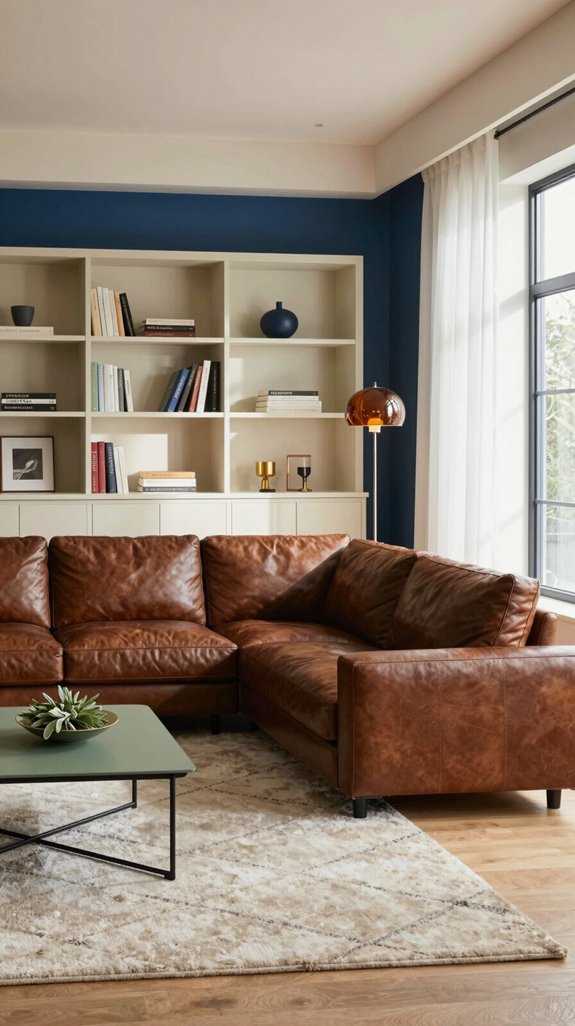
When introducing chocolate brown into a space balanced with ivory, sage green, and sapphire, begin by anchoring the rich, earthy tone on a dominant surface—such as a sofa or an accent wall—to establish a warm, grounded foundation. Use ivory on trim, cabinetry, or ceilings to brighten the room, enhancing natural light and softening the depth of the brown. Integrate sage green through soft furnishings like throw pillows, curtains, or area rugs, adding a tranquil, nature-inspired layer that complements without overwhelming. Bring in sapphire as a refined accent—through decorative objects like vases, table lamps, or artwork—offering a vibrant yet controlled contrast that energizes the palette. By thoughtfully balancing scale, texture, and distribution, the result is a harmonious and inviting interior where each color contributes to a cohesive, elegantly layered design. A well‑chosen stylish sofa can anchor the brown while providing comfort.

Cute Daisy Flower Pillow Design - Kcvvcr flower-shaped throw pillow adopts fresh, soft and lovely decorative daisy flower design, the throw pillow is a stylish and warm aesthetic room decoration, the exquisite design and bright colors make it a visual treat, suitable for floors, chairs and bedrooms.

Boho Chic & Striped Design: Elevate your home decor with our stylish striped corduroy pillow covers, bringing a touch of Boho elegance and warmth. The unique pattern seamlessly blends with various interior styles, from modern to farmhouse, creating a relaxed and inviting atmosphere in any room.

[Durable & High Quality]: NOTE: PILLOW INSERTS NOT INCLUDED. Made from polyester blend fabric and designed with a durable hidden zipper for easy removal and cleaning. Refresh your home Decorations with the couch throw pillow cover 12 x 20.
What Chocolate Brown Does to a Room’s Mood and Perceived Luxury
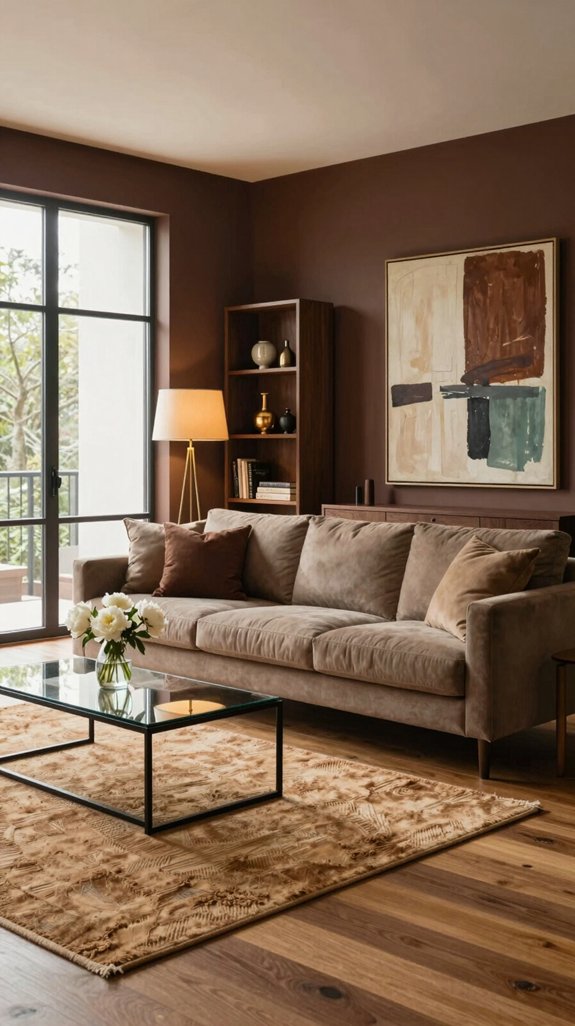
The rich, grounding presence of chocolate brown instantly transforms a room’s atmosphere, turning a blank canvas into a warm sanctuary of understated elegance. This deep hue absorbs ambient light, adding depth that feels simultaneously intimate and spacious. It softens architectural edges without blurring definition, conveying sophistication through subtle balance. When combined with reflective surfaces like polished metals or glass, chocolate brown enhances their luster, making finishes appear more refined and intentional. Psychologically, the color fosters calm and focus, encouraging people to settle in and appreciate the details—whether it’s the grain of hardwood, the weave of a textured throw, or the warmth of natural stone. By serving as a steady anchor in a color scheme, chocolate brown allows bolder accents and layered materials to shine, creating a space that feels curated, inviting, and inherently luxurious. Walnut brown interior wall paints bring a dark wood vibe that deepens the room’s cozy, sophisticated feel.

Modern style clear glass and smooth surface. High transmittance glass which showcases the bulb beautifully. Experience the safety of our sturdy, explosion-proof glass with meticulously crafted smooth edges.

8832 - Replace glass lampshades.

Modern style seed glass and smooth surface. High transmittance glass which showcases the bulb beautifully. Experience the safety of our sturdy, explosion-proof glass with meticulously crafted smooth edges.
Common Mistakes When Using Chocolate Brown (and How to Fix Them)
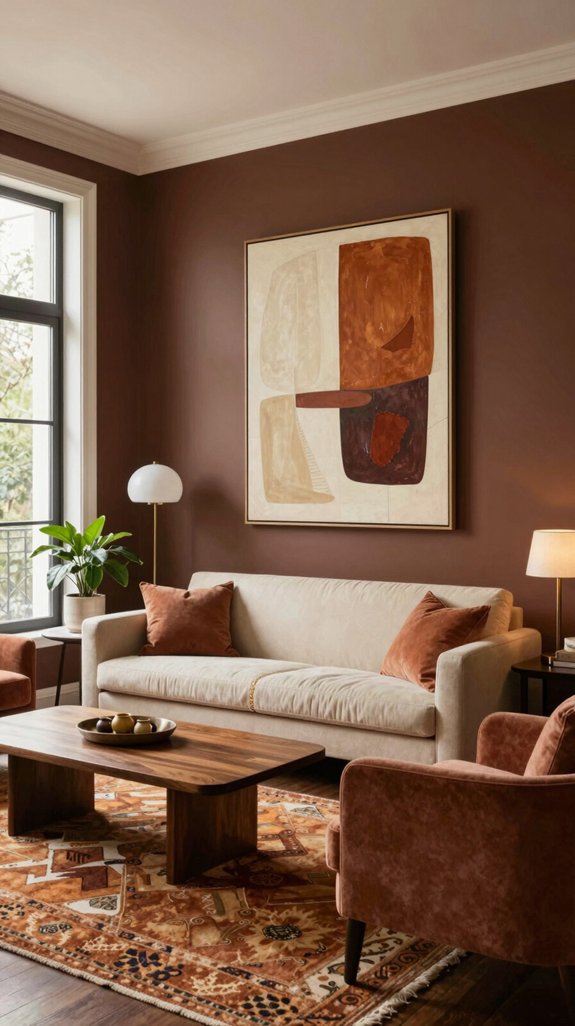
Even if you love chocolate brown, it’s easy to fall into pitfalls that dull its richness—rooms where the hue overwhelms rather than anchors, or where clashing textures make the space feel oppressive. First, avoid painting an entire wall chocolate brown without a contrasting element; using it on just one accent wall or pairing it with light trim balances the intensity. Second, skip flat, matte finishes that absorb light—instead, combine it with fabrics that have a soft sheen or incorporate brushed metal accents to add dimension and brightness. Third, be cautious with very dark flooring; contrast the deep walls with warm hardwood or a light-toned rug to lift the space visually. Finally, pay attention to color temperature—cool tones like icy blues can clash, while warm accents such as muted golds, soft taupées, or deep greens harmonize beautifully, enhancing chocolate brown’s elegant depth. Wine‑Red walls can serve as a striking accent that complements chocolate brown while adding a pop of color.

This product is Non-toxic

ALL-IN-1 PAINT & PRIMER: A hardy multi-purpose and multi-surface one-coat paint and primer in one for almost any indoor or outdoor surface. A wall, ceiling, floor, skirting board, cabinet, furniture and door paint for your bathroom, kitchen, home and garden.

VERSATILE PAINT - These artist-quality acrylic paints are rich and creamy and are perfect for basecoating, stenciling, and more. This color comes in a convenient 2 oz size
Real-World Examples: Chocolate Brown in Different Décor Styles
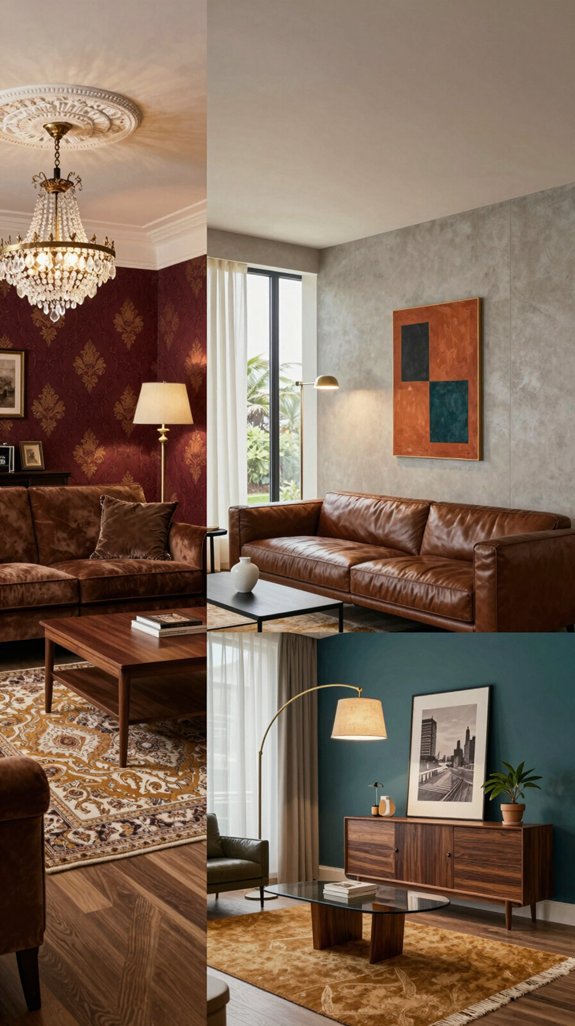
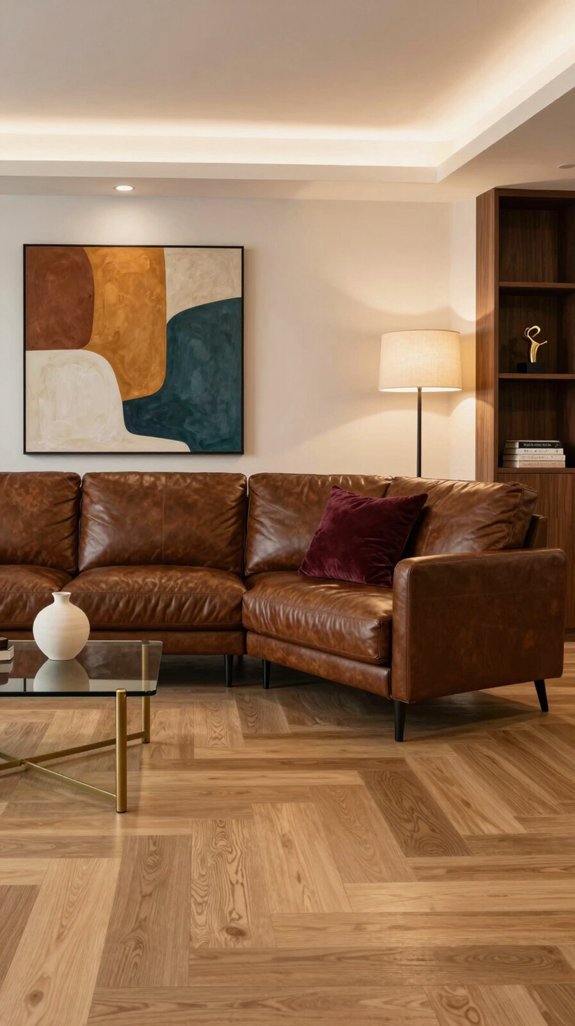
In a mid-century modern loft, a matte chocolate brown wall pairs beautifully with teak furniture, brass lighting fixtures, and a vibrant teal accent rug; the rich brown grounds the space while the teal introduces dynamic contrast. For a rustic farmhouse, chocolate walnut cabinetry complements reclaimed brick walls and soft ivory linen textiles—this combination deepens the natural, earthy palette without heaviness. In a sleek contemporary apartment, chocolate brown leather sofas anchor a pale concrete backdrop, enhanced by bold neon artwork and transparent glass coffee tables; the dark leather adds warmth and stability to the minimalist design, while the neon injects modern energy. Each setting demonstrates how chocolate brown effortlessly adapts to different décor styles when balanced with thoughtful textures, materials, and accent colors. Choosing non toxic cleaners helps maintain a safe home environment while using these rich tones.

PAINT + PRIMER IN ONE: Evolve’s paint-and-primer formula helps you get great coverage from the start, sealing your surface and reducing the extra work of multiple coats.

Size:12x26inchx2panel, 12x35inchx2panel, all 4 panels.

Quick Cheat Sheet: Pairing Chocolate Brown in One Glance
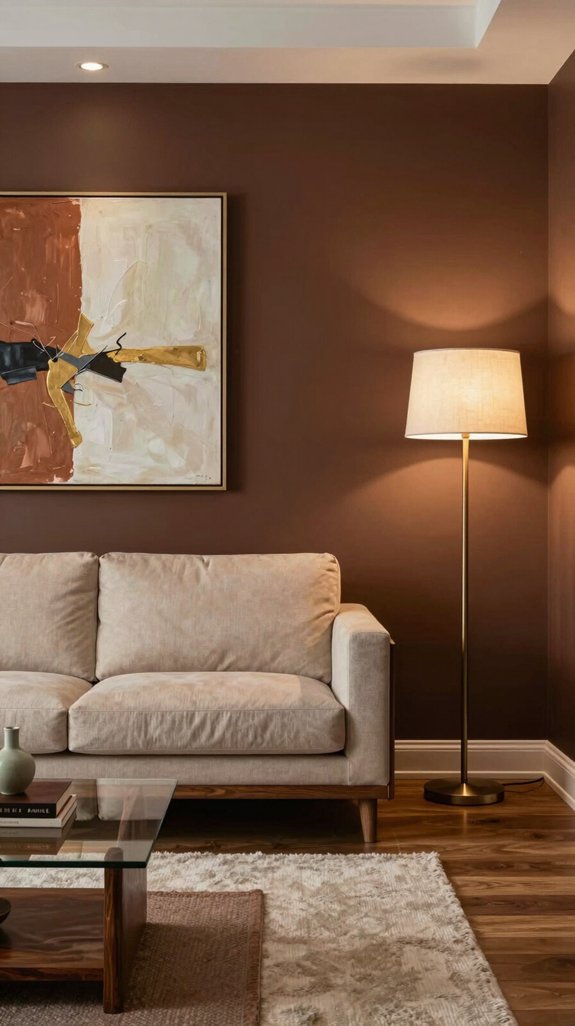
Ever wondered how to perfect chocolate brown pairings in your space without overthinking? It’s simple—divide your approach into three clear zones: neutrals, accent hues, and texture tones. Neutrals like off-white, soft gray, and muted taupe ground chocolate brown, adding richness while keeping balance. Accent hues—emerald, deep teal, burnt orange, or muted mustard—bring energy; stick to a 30% ratio for bold yet harmonious contrast. Texture tones such as brushed brass, matte black, and natural walnut introduce dimension, breaking visual monotony with tactile appeal. Organize these elements using a quick visual grid: neutrals on the left, accents in the center, textures on the right. Place a chocolate brown sofa with a soft gray rug, emerald throw pillow, and a walnut coffee table across the zones. The result? A layered, modern living space that feels intentional and inviting—all at a glance. Consider adding a pistachio green accent wall to inject a playful pop of color that complements the chocolate brown.

FLEXIBLE MOLDING DECORATION: Molding trim wall trim materials are soft and can also be used for curved surfaces, suitable for most home decorating styles, so that your interior decoration is no longer monotonous, adding an elegant touch to your home

【Refresh Your Space with Decorative Trim】 Give plain walls, mirror frames, cabinet edges, doors, and windows a polished look with this 10 FT peel and stick wall molding trim, measuring 0.39 in wide and 0.22 in thick. The pearl-style design adds subtle decorative detail to your home.
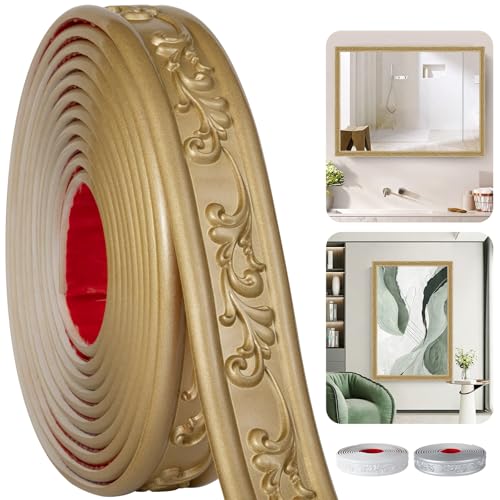
1.Lustrous Champagne Gold 3D Design:Made of high-quality PVC with a soft, elegant champagne gold metallic finish and delicate 3D embossed pattern, the trim adds a touch of luxury and warmth to any home decor, matching both modern and classic interior styles perfectly.
Frequently Asked Questions

Fabric and Packaging: Pack of 1 (Pillow Inserts are not included), cotton and linen blend fabric, this pillowcase is handcrafted from high-quality thick fabric, featuring a unique texture and natural touch, breathable, durable, and resistant to deformation, providing a comfortable support for the body

Can Chocolate Brown Walls Cause Allergies?
While chocolate brown walls won’t trigger an allergy themselves, dust and mold can accumulate on any wall surface—particularly on matte finishes—so maintaining good indoor air quality is key to keeping sniffles at bay.
Is Chocolate Brown Suitable for Small Apartments?
Chocolate brown can be an excellent choice for small apartments when paired with light accents and reflective surfaces like mirrors or glossy finishes. It adds richness and depth to the space without making it feel cramped, creating a warm, inviting atmosphere that balances coziness with elegance. Strategically using this hue on an accent wall or in furniture and decor can enhance the room’s dimension while maintaining an open and airy feel.
How Does Chocolate Brown Affect Acoustic Properties?
Rich chocolate brown tones in walls, panels, or soft furnishings add warmth and depth to a room while enhancing its acoustic comfort. The color’s naturally deep saturation pairs with textured materials like velvet drapes, area rugs, or upholstered headboards to absorb excess sound and minimize echo. These elements work together to create a calm, sonically balanced environment—ideal for cozy living rooms, home libraries, or media spaces where clarity and ambiance matter. Subtle layering of brown in acoustic panels or decorative wallcoverings merges function with elegant, inviting design.
Can I Use Chocolate Brown Paint on Ceilings?
Yes, you can paint ceilings chocolate brown. However, test the lighting, room texture, and ceiling height first—deep colors can make a space feel smaller, but when paired with reflective surfaces like glossy trim, metallic fixtures, or light-toned walls, chocolate brown adds warmth and luxurious depth.
What Lighting Temperature Best Highlights Chocolate Brown?
A warm lighting temperature of 2700–3000 K beautifully enhances chocolate brown tones, allowing the richness and warmth of the color to shine without appearing dull or washed out. Paired with subtle accent lighting, it brings out the texture in furniture, walls, or cabinetry, creating a cozy, elegant atmosphere perfect for living rooms, bedrooms, or dining spaces.