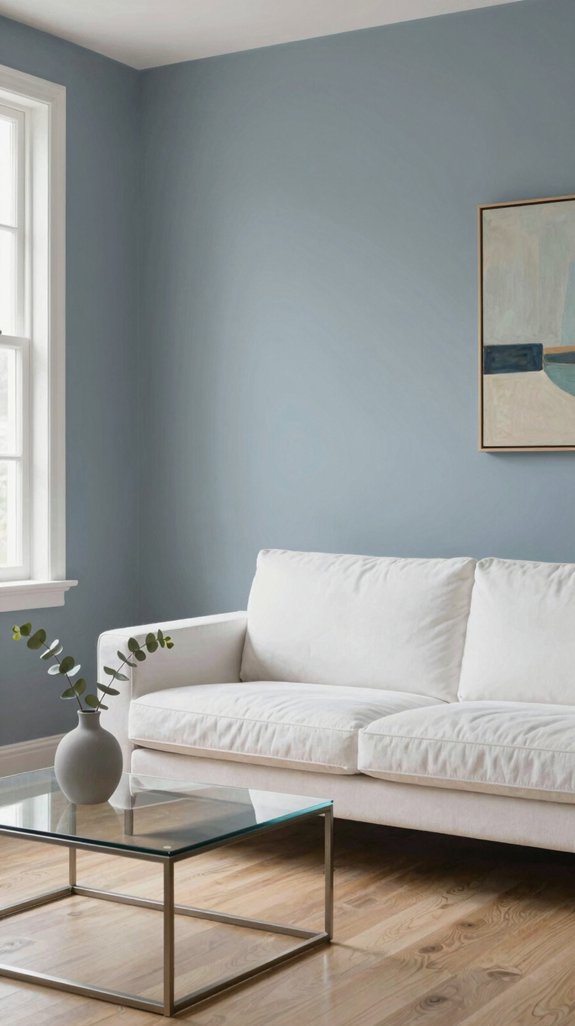
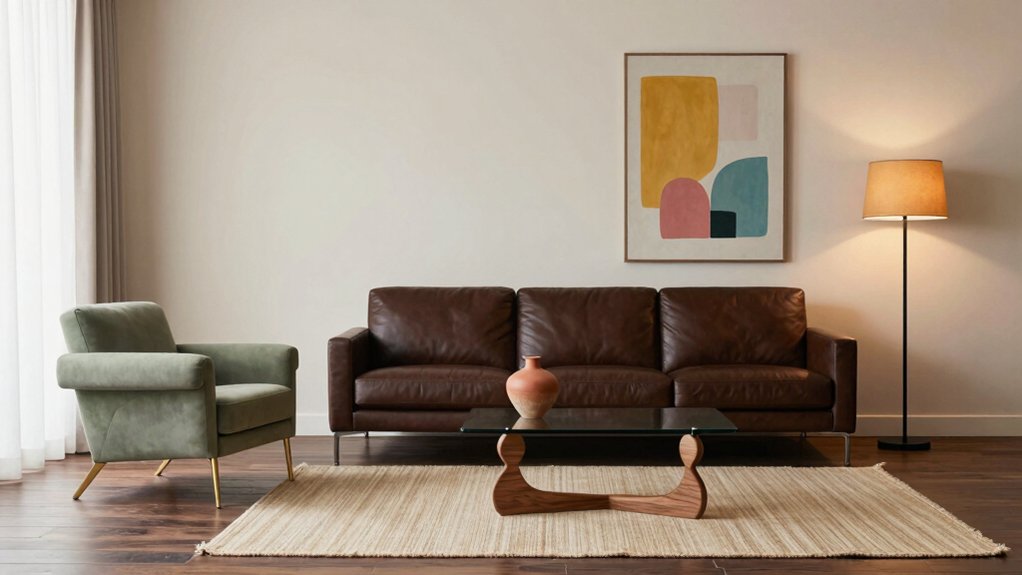

Dark brown walls create a rich, grounding backdrop that pairs beautifully with warm whites and soft creams to brighten and balance the space.
Introduce muted sage-gray greens or dusty teal-blue accents through textiles, artwork, or upholstery for a serene, nature-inspired atmosphere.
Light gray rugs, countertops, or cabinetry help maintain an airy feel, preventing the room from becoming too heavy.
Incorporate black fixtures sparingly—such as灯具, hardware, or picture frames—to add sharp contrast and architectural interest.
For a touch of elegance, apply a thin metallic gold paint line along trim or molding to catch the light and enhance depth.
Bold accent pieces in teal and mustard—like throw pillows, vases, or a statement chair—serve as vibrant focal points that energize the palette.
These combinations create harmonious, inviting interiors anchored in warmth and sophistication.
Create a Balanced Dark‑Brown Wall Palette
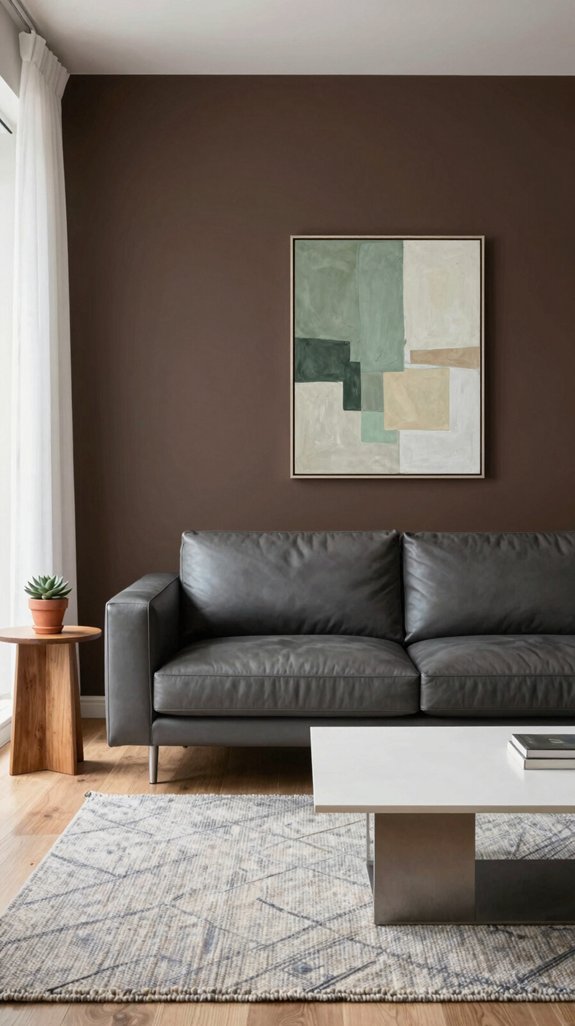
When designing a dark-brown wall, balance its richness with lighter, complementary tones—soft greys, warm creams, or muted sage—to create a space that feels anchored yet open. Begin by identifying the undertone of the brown; this ensures harmony when pairing with accents. Use a dove-grey on the ceiling to lift the room’s height, while cream-colored trim adds warmth and softens architectural lines. Plan the palette digitally, aiming for 80 % dark brown and 20 % accent color to maintain visual equilibrium. Introduce texture through finishes: matte paint on walls absorbs light beautifully, while a semi-gloss trim subtly reflects it, enhancing contrast. Incorporate layered lighting—like LED strips tucked behind crown molding—to accentuate transitions between surfaces and deepen dimension. The final effect is a refined, balanced backdrop that supports thoughtful decor layering and enduring style. Consider using a bright white paint on adjacent trim to amplify natural light and keep the room feeling airy.

Charming Vintage Floral Art – This white tulips artwork features elegant white tulips displayed against a warm brown gingham background, adding a soft vintage charm and elevating the artistic feel of any room with its cozy farmhouse aesthetic

COLORS CRAFTED BY ANNIE SLOAN: A timeless off-white, that works with everything. Old White is a sophisticated and understated neutral that will give your walls a soft, chalky, traditional look and feel.
Pair Warm White With Dark Brown for Instant Brightness
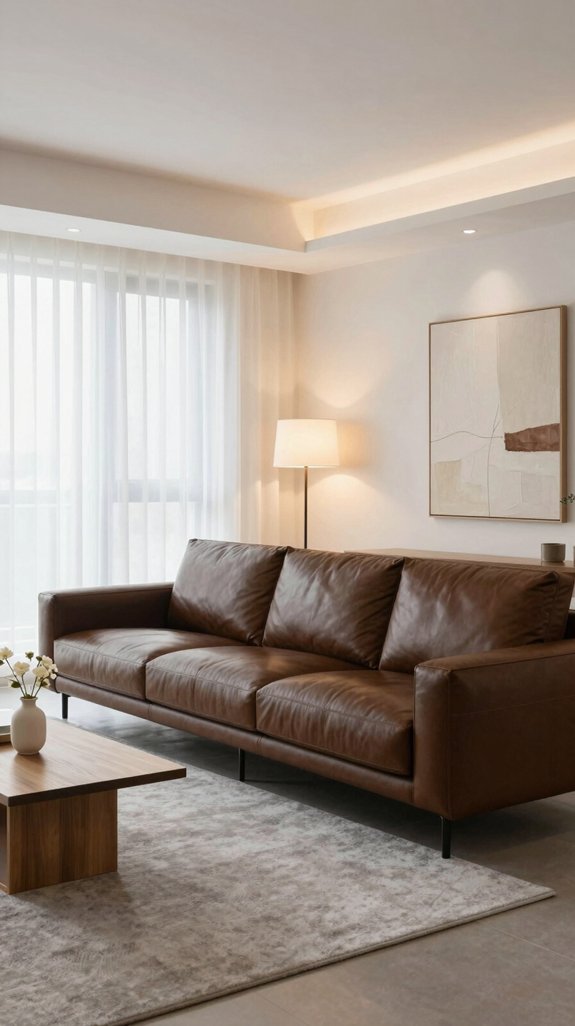
Pairing warm white with dark brown instantly brightens a space while maintaining rich depth. Apply a warm-white paint—such as “soft ivory” or “creamy alabster”—to ceilings, trim, and cabinetry to reflect light and counteract the coolness of dark-brown walls. This contrast lifts the room, creating an airy, open feel. Enhance the effect with white accents like linen upholstery, marble surfaces, and metallic finishes in brushed nickel or matte white fixtures. For visual balance, let warm white occupy 30–40% of the space, allowing dark brown to ground the design. The result is a harmonious, timeless palette that feels inviting, modern, and inherently luminous.

Gentle and Effective Leather Brush : YeewayVeh long bristle horsehair brush with soft bristles that clean without scratching, Specialized for cleaning and caring for delicate leather surfaces. Elevate your care routine

Size: 12x20 inch/ 30X50 cm. Package contains 2 pillow covers/shells, NO PILLOW INCLUDED.

Size: 12x20 inch/ 30X50 cm. Package contains 2 pillow covers/shells, NO PILLOW INCLUDED.
Use Soft Creams in a Dark Brown Wall Palette for Airy Contrast
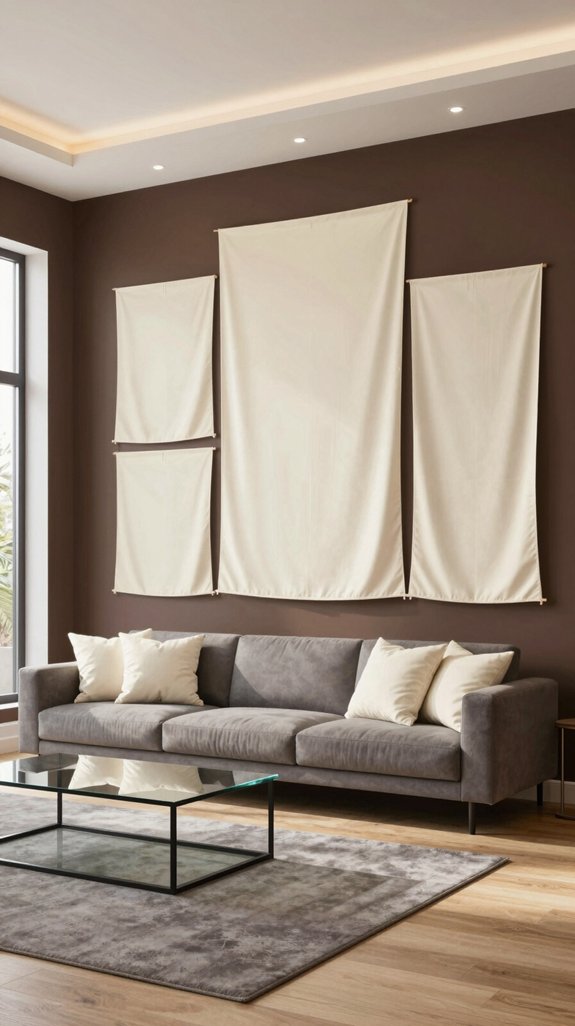
Swapping crisp white for a soft cream introduces a gentler, more inviting contrast against dark brown walls. The muted ivory hue reflects light without overpowering, allowing the rich timber tones to breathe while maintaining a sense of brightness. Cream-colored upholstery, linen curtains, and sculptural lighting fixtures help soften the visual weight of the deep walls. A warm undertone in the cream mirrors the natural wood grain, creating harmony between flooring, wall treatments, and decorative elements. Textured finishes—like velvet throw pillows, brushed metal accents, and matte plaster surfaces—add dimension without introducing harsh contrasts. By balancing saturated dark brown with creamy, low-luminance tones, the space feels airy and refined, blending modern elegance with timeless warmth.

TEXTURED LINEN: These fashionable linen curtains are crafted from upgraded thicken fabric, durable and long lasting. Natural textured linen brings luxurious and graceful to your window and room, make the panels more draped and aesthetic. A best choice to decorate your taste of life

MULTIPLE HANGING: Sold per pair, including 2 window panels - Panel measures: 52 x 84 - inches | Set measures: 104 x 84 - inches, with 3 curtain top hanging options (Back tab & Rod pocket & Pleated) for your personalized style. Each panel sewn with 4" rod pocket (7 back loops), 2" bottom hem and 0.8" side hem, specialized fitting the curtain rods up to 3"

2 PANELS SET: Sold pair(set) of 50%-70% blackout curtains ,each window panel measuring 52" wide x 84" length with 3 inches rod/pole pocket on top and bottom, fits all standards curtain rod in the market, can make the maximize coverage of your windows with no gap. Protect your privacy. A pair/set of our 2 tone ombre curtains offer 4 creative combinations since colors can be inverted for different look and feel.
Add Muted Green to a Dark Brown Wall Scheme for Calming Vibes
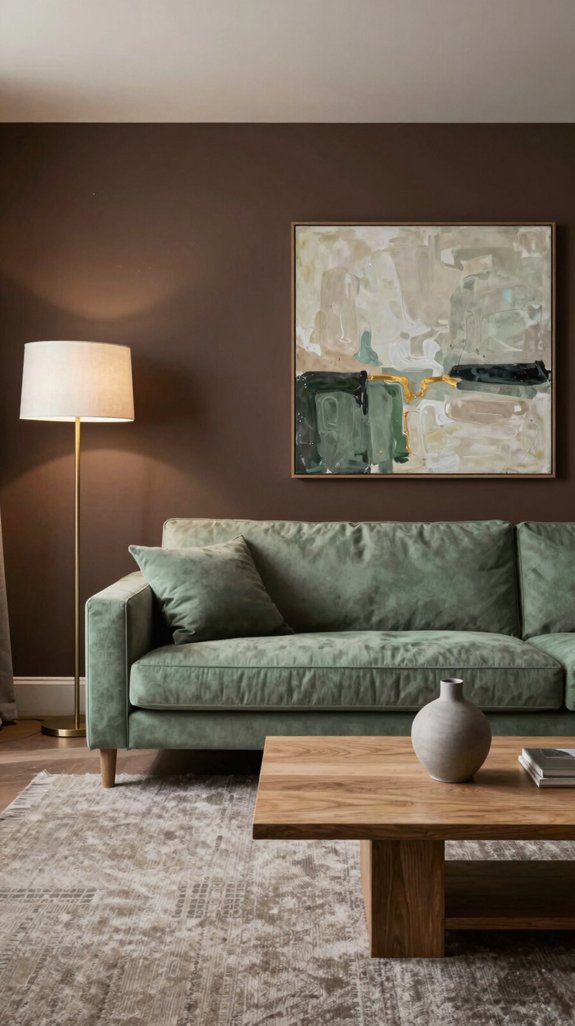
A touch of muted green on dark brown walls instantly softens the room’s intensity, creating a calming retreat that retains rich depth. Pairing a sage-gray green with a matte dark brown introduces a gentle, nature-inspired tone that balances warmth and serenity. Opt for a low-sheen paint finish to allow the green to absorb light subtly, minimizing glare while preserving the wall’s depth. Introduce the hue through accent pieces like linen cushions, a jute-and-wool blend rug, and a hand-thrown ceramic vase to echo the color scheme naturally. Incorporate natural wood furnishings—such as an oak side table or walnut shelving—to reflect the green’s organic quality and deepen the tranquil ambiance. Finish with layered lighting, including warm LED bulbs and soft-glow floor lamps, to ensure the muted green acts as a quiet, restorative presence, making the space feel both grounded and inviting. The soft, earthy tone of viridian green also complements the muted palette, enhancing the overall sense of harmony.

QUALITY MATERIAL: The pillow cover is composed of a soft and comfy corduroy which is a kind of polyester fabric, features a cute and elegant boho stripe design. Our pillow covers are of good workmanship, they are tightly sewn without loose threads.

【Chenille Surface & Natural Linen Backing】: These boho throw pillow covers are made from high-quality chenille with Turfted on the front, thick and soft, skin friendly.The backing is made from premium natural linen, breathable and environmental.

Package Includes: 1 Pillow Cover. And pls notice: CUSHION COVER ONLY ( INSERT NOT INCLUDED), 12" x 20"(30cm x 50cm) (Pls allow 1-2cm measurement deviation)
Incorporate Dusty Blue for Serenity and Depth in Dark Brown Spaces
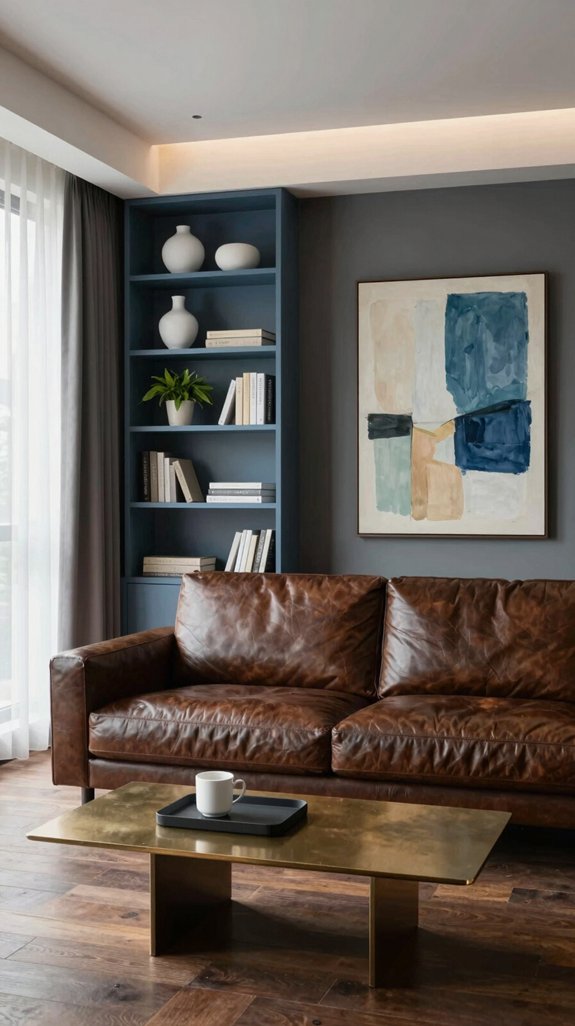
Dusty blue breathes serene balance into dark brown interiors, softening the deep warmth of walnut flooring without diminishing its earthy elegance. A muted teal-gray accent wall pairs beautifully with the richness below, while the cool undertone carries through layered textiles—textured linen curtains, wool-blend area rugs, and cotton bolster cushions. For continuity, brushed-nickel sconces and glass vases with faint blue tinting reflect the hue in subtle, intentional ways. Strategically placed sapphire velvet throw pillows introduce depth, enhancing contrast while staying within the tranquil spectrum. To amplify the calming effect, warm-toned LED strips are installed behind a blue-tinged backlit mirror, creating a gentle glow that lengthens the visual line of the space. The result is a harmonious blend of grounded sophistication and quiet innovation—ideal for contemplative zones like reading corners or serene home workspaces. Oatmeal hues provide a warm, neutral backdrop that subtly complements the deep brown tones.

Wear Resistant and Anti Rust: our gold tape is made of quality PET material, featuring glossy, bright and vibrant effect, reliable and reusable, and not easy to deform, allowing you to use it with confidence
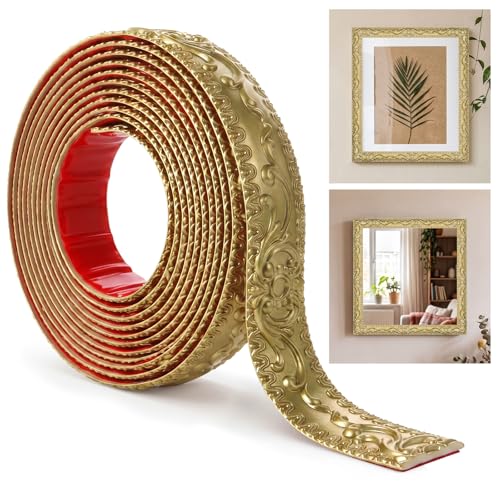
Peel Stick Molding Trim Self Adhesive: this champagne colored self adhesive decorative strip is approximately 16.4 ft/ 5 M long and 1.4 x 0.3 inches/3.6 x 0.7 cm wide and thick; It is large enough to meet a variety of decorating needs and create a personalized home decor

Effortless Apply: Only need to measure and cut, peel off the backing, and press into place
Apply Mustard Yellow for Energetic Accent Without Overwhelming
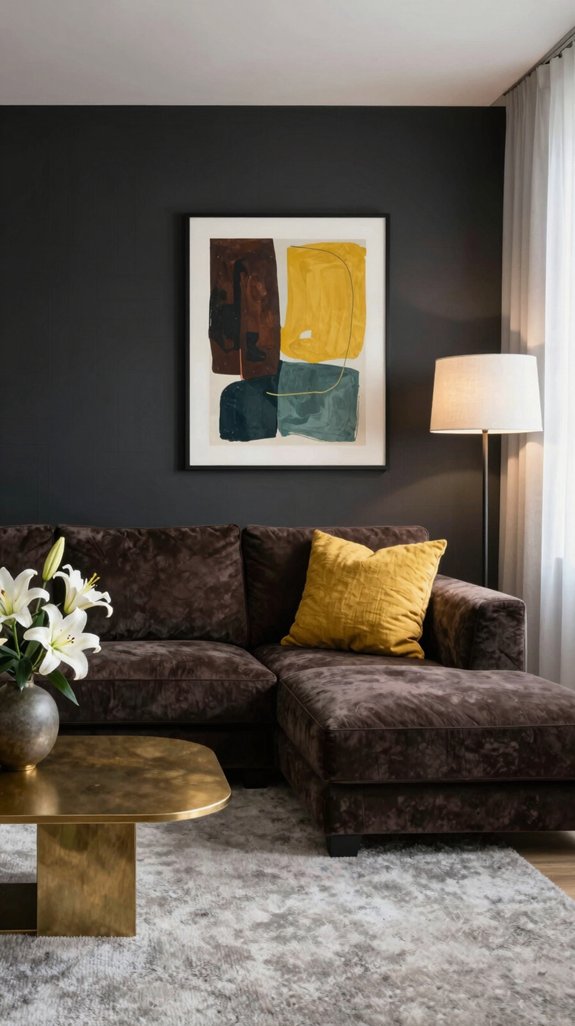
Even a single mustard-yellow accent can energize a dark-brown living space without overpowering it. Start small—with a slim throw pillow, a narrow jute-and-cotton rug runner, or a lamp shade in a complementary copper finish. Pair the warmth of mustard with matte black base elements like switch plates or furniture legs to enhance its brightness, then ground it with brushed brass fixtures in sconces or drawer pulls to tie in the room’s earthy undertones. Opt for a mustard tone with golden ochre depth, steering clear of overly bright or synthetic shades that can feel jarring beside rich brown hues. Introduce texture through natural materials—linen curtains, leather seating, woven baskets—to create dimension and allow the color to blend thoughtfully. By focusing on restraint and material contrast, the mustard yellow adds dynamic warmth and visual interest while preserving the room’s cozy, refined atmosphere. Consider using mid‑century mustard paint colors to reinforce the retro vibe.

ALL-IN-ONE Paint - NO Sanding, NO Priming, NO Top Coat Required, Low Luster, Velvet Sheen Finish

High quality 100% handmade grace oil paintings on canvas painted by our professional artist with years of oil painting experience.A perfect Christmas and New Year gifts for your relatives and friends.

Printed Canvas Wall Art: This 29x58 inch canvas print features a modern brown beige orange white abstract painting design, creating a warm and artistic focal point for living rooms, dining rooms, bedrooms, and offices.
Mix Burgundy for Warm, Elegant Touches in Dark Brown Rooms
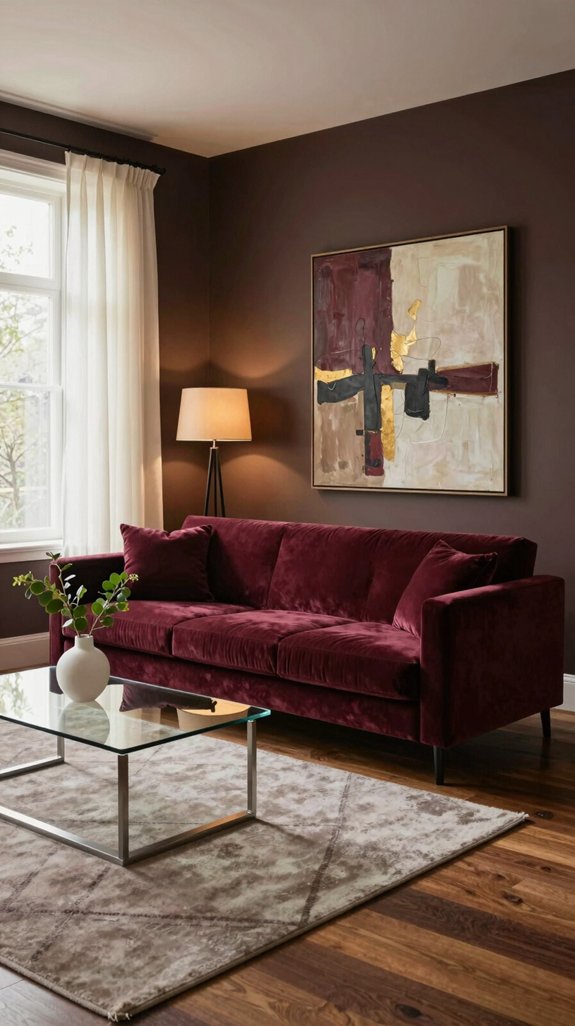
Two deep burgundy cushions on a dark-brown sofa instantly add a warm, elegant touch without overwhelming the space. A burgundy velvet armchair pairs beautifully with brushed-copper lighting, allowing the rich red hue to echo the wood grain of a reclaimed floor. Matte burgundy wall art mirrors the sofa’s undertones, creating a cohesive yet dynamic visual rhythm. A patterned rug weaves burgundy threads through muted taupe, balancing richness with restraint. A burgundy-tinted glass vase catches ambient light with its subtle sheen, reinforcing the room’s sophisticated palette. By layering varied textures—velvet, metal, glass—the space gains depth and luxury while remaining grounded and thoughtfully composed.

✄【High Strength Self Adhesive Patch】Backing with durable adhesive makes your sticking more strength, not easy to fall off after fixing on damaged leather or vinyl surface.Easy to use, no additional glue or restorer needed.You just need to follow the 4-step process: Clean→Cutting→Peel→Stick! Graphical stickers are included in each package to meet your DIY needs.

PREMIUM SUEDE FABRIC - Upgrade car interiors or home furniture easily with a smooth, silky suede finish for a refined appearance.

Horse Hair Brush Leather Cleaning Brush:YeewayVeh premium natural horsehair brush safely lifts deep-set dirt and enhances conditioner absorption for a perfect shine. Ultra-durable with no shedding, it's the professional-grade choice for your car and furniture. A quick tip for best results, simply brush off any residual manufacturing fibers before first use.
Choose Light Gray to Offer Modern Neutral Contrast With Dark Brown
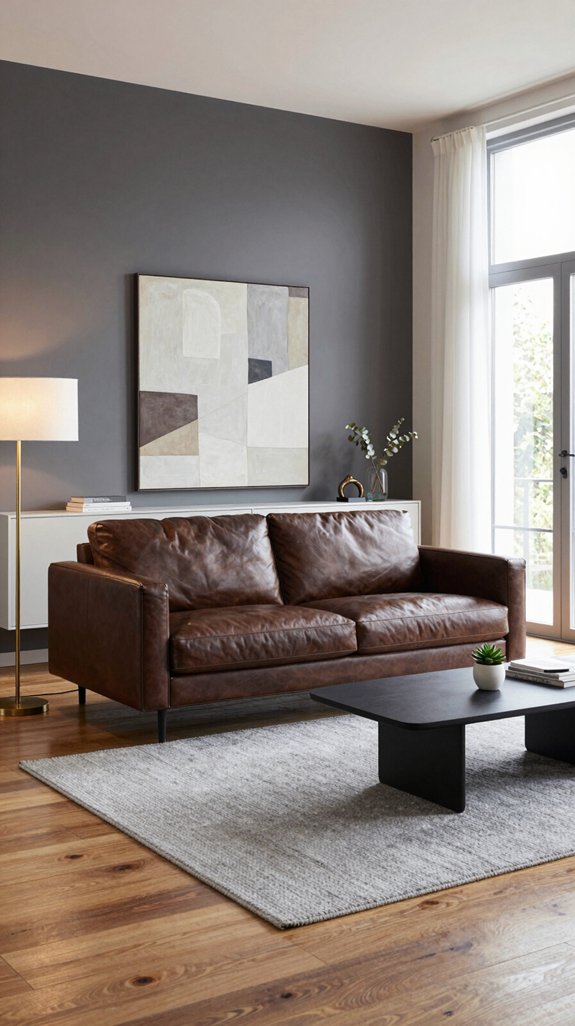
I’ll pair light gray with dark brown to create a crisp, modern contrast that instantly lifts the room’s mood. I start by selecting a cool-tone gray paint for walls or large architectural panels, allowing dark brown furniture to anchor the space while the gray enhances visual depth. I layer matte gray textiles—throw pillows, area rugs, and curtains—introducing softness that complements walnut or espresso wood finishes without overwhelming them. Sleek gray-toned metal fixtures, like brushed stainless steel lighting and cabinet hardware, echo the neutral palette and reinforce a contemporary aesthetic. To add dimension, I incorporate subtle textures: a woven light gray rug beneath a dark brown sofa introduces tactile contrast, while a gray stone countertop adjacent to a brown kitchen island ensures a seamless, refined transition. This balanced interplay of tones keeps the space airy, elegant, and visually harmonious. Light grey paint also reflects natural light, making rooms feel brighter and more open, especially when paired with cool-tone gray walls.

WELL MADE: Package contains 2 panels of 52" width by 84" length (104" wide in total). With pleat tape pocket & tabs on top, back loop (2.3 inch) and rod pocket (3.3 inch) which offer our customers multiple hanging options.

RICH LINEN: These fantastic linen panels are crafted from open weave flax linen blended fabric. Linen sheer curtain is more thicker than other sheer, and can reduce a part of strong sunlight. Soft, durable, luxurious and vintage floral elements make the curtains more aesthetic. Chemical free, No pungent smell.

MULTIPLE CHOICE:Sold 2 Panels one set,including 2 grommet linen style curtains- Panel measures 52 inches width, 7 length option: 45/54/63/72/84/95/108 inches . Each panel with 8 fine metal grommets (1.6'' in diameter)fit standard or decorative curtains rod.
Pair Black Sparingly for Dramatic Definition in Dark‑Brown Interiors
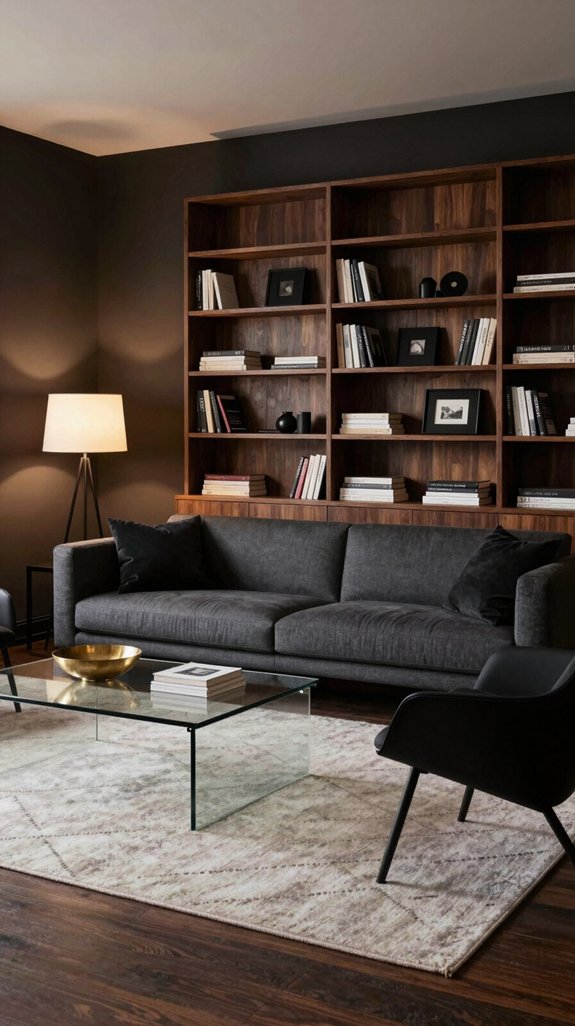
A touch of black can elevate a dark-brown interior by introducing striking contrast and visual precision. When used sparingly, black acts as a grounding element—a matte black console table, a slender floor lamp, or a minimal pendant light fixture can all serve as quiet focal points. Limiting black to fine lines or compact surfaces ensures it enhances rather than dominates the rich warmth of brown tones. To maintain warmth and depth, pair these accents with tactile materials like smoked glass, burnished brass, or nubby textiles. In a living area, a black side table beside a deep brown armchair subtly defines the space while preserving harmony. Black window frames or cabinet hardware also sharpen architectural lines, adding a tailored edge that feels intentional and refined. The key is restraint: a few well-placed black details lend drama without disrupting the room’s inviting atmosphere. A simple cable organizer can keep cords tidy and prevent visual clutter. Cable management tools are especially useful in home offices where multiple devices converge.

Package Includes: 1 Pillow Cover. And pls notice: CUSHION COVER ONLY ( INSERT NOT INCLUDED), 20" x 20"(50cm x 50cm) (Pls allow 1-2cm measurement deviation)


Standard Size: Brown floral pillow cover 18 X 18 inch (45cm X 45cm). Excluding pillow core, No insert. Both sides have same design
Add Metallic Gold Paint for Luxe Highlights on Dark Brown Walls
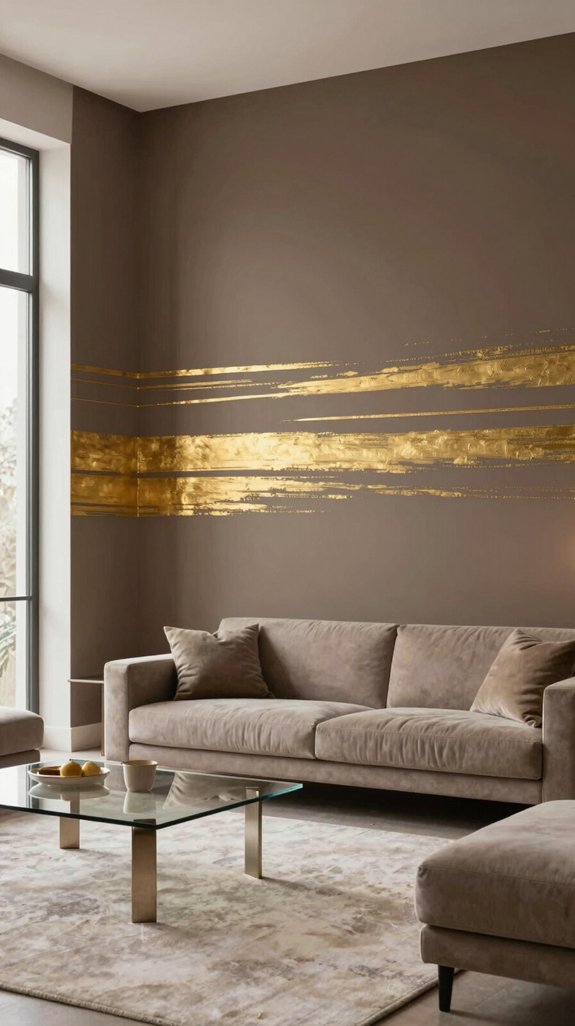
When metallic gold paint meets dark brown walls, the result is an effortlessly elegant transformation. The rich, warm glow of the gold introduces a touch of opulence, enhancing the depth of the dark backdrop while adding luminous contrast. Choose a premium, low-VOC metallic gold paint with a high‑reflective finish to ensure seamless application over matte surfaces. Using a small, fine‑nap roller or a precision brush, apply a thin, even layer along architectural details like baseboards, window frames, or ceiling lines—areas where light naturally bounces. Allow the first coat to dry fully before applying a second for intensified brilliance. As daylight shifts and evening lighting takes over, the gold accents capture and reflect illumination, creating subtle movement across the space. This technique enriches textures, defines room features, and elevates the overall ambiance with a refined, contemporary luxury. Consider the coverage area of the purifier to match the room size for optimal air quality.

Reflective Mirror-Like Finish: Metalized polyester film creates a smooth, reflective surface for accent walls, decorative borders, furniture details, frames, crafts, displays, and projects requiring a sleek metallic appearance.

【Suitable Size】This mirror tape border is 3.6cm/1.42inch wide and 5m/16.4feet long, which is long enough for general home decoration and can meet your long-term and multiple use.

Package: There are 1 roll 2 inch X 39 ft metal mirror frame sticker, thickened baseboard trim which are good textural and classical, very suitable for minimalist style home decoration
Layer Teal and Mustard for a Cohesive Accent Pairing in Dark Brown Design
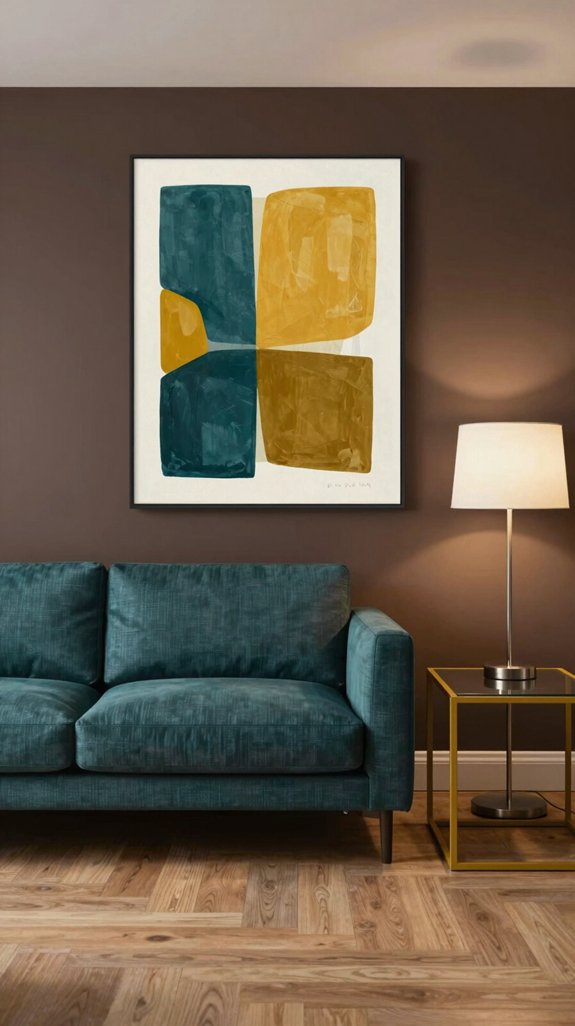
A bold touch of teal within a dark brown setting instantly adds depth and stability, while mustard brings in a radiant warmth, creating a dynamic yet harmonious contrast. Begin with a rich teal velvet sofa to anchor the space—the cool undertone beautifully offsets the surrounding warmth of dark brown walls. Introduce mustard through patterned throw pillows and a sculptural lampshade, offering a vibrant, textured highlight that captures attention. Layer a matte-finish teal rug under a mustard-hued coffee table, allowing the colors to interplay through subtle texture rather than shine, maintaining a refined balance. Reinforce the unity of the palette by echoing teal and mustard in smaller details like picture frames, wall art, and metallic hardware finishes. This layered approach fosters a lively, contemporary atmosphere grounded in cohesion, where each color enhances the other in a polished, imaginative interior. forest green wall paints add a natural, calming backdrop that complements the earthy tones.
Frequently Asked Questions
Can Dark Brown Walls Make a Small Room Feel Larger?
Dark brown walls can enhance the perception of space in a small room when balanced with high-contrast trim, reflective surfaces like mirrors or glass, and layered lighting. The rich depth of the color adds dimension, creating visual interest that draws the eye outward and fosters a sense of openness.
Is It Safe to Use Dark Brown Paint on High‑Traffic Areas?
Dark brown paint is an excellent choice for high-traffic areas when paired with a durable, low-sheen finish. It effectively hides scuffs and wear, maintains its richness over time, and adds warmth and sophistication to hallways, entryways, and living spaces. With the right preparation and quality paint, it delivers both style and long-lasting performance in busy home environments.
How Does Natural Light Affect Dark Brown Color Schemes?
Natural light enhances dark brown color schemes by illuminating their rich warmth and complexity. It accentuates the depth of the hue, brings out subtle undertones, and highlights the texture of surfaces like wood, stone, or fabric. As sunlight shifts throughout the day, it creates dynamic contrasts that add visual interest and dimension. Light reflection helps prevent the space from feeling enclosed, instead making it appear more open and airy, while allowing decorative accents in complementary tones to stand out vividly.
Can I Mix Dark Brown With Bright Colors Without Clashing?
Yes, you can mix dark brown with bright colors in home decor without clashing. Pair dark brown with vibrant hues like teal, mustard, or coral to create energetic yet balanced spaces. Use these bold colors in accent pieces—such as throw pillows, area rugs, or decorative vases—while keeping larger furniture pieces in dark brown for grounding. Incorporate crisp white walls, light wood tones, or neutral textiles to soften the contrast and let the colors shine harmoniously.
What Flooring Finishes Best Complement Dark Brown Walls?
Brushed oak or light ash hardwood flooring pairs beautifully with dark brown walls, offering a balanced contrast through their soft grain patterns and warm undertones. A matte or low-sheen finish enhances the modern aesthetic while minimizing glare, creating a harmonious and inviting atmosphere.