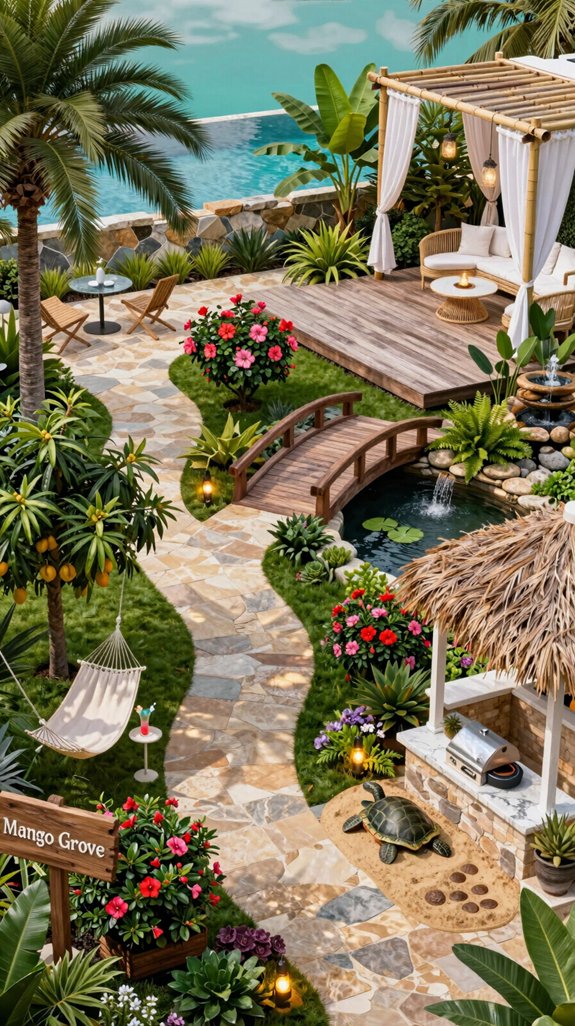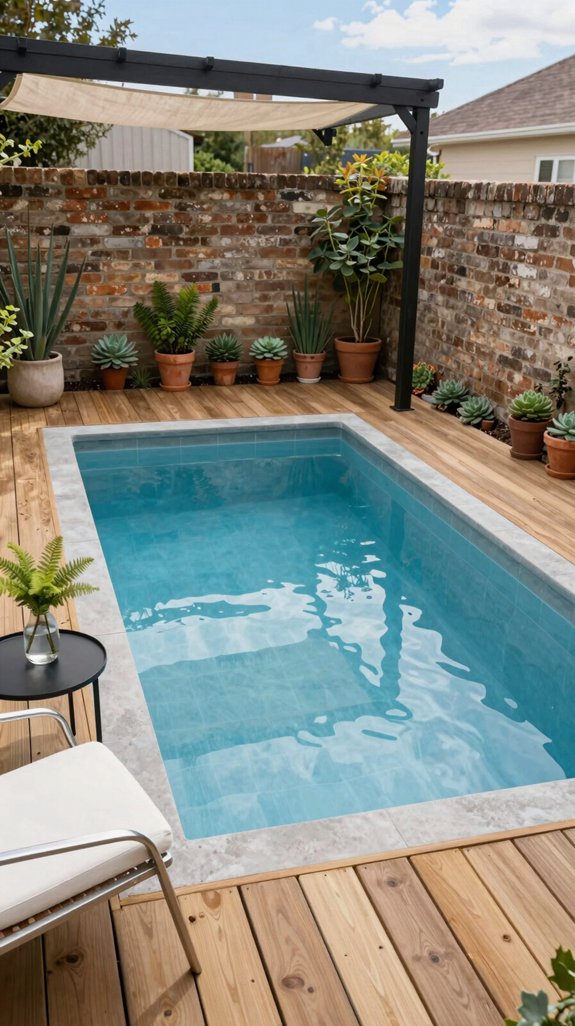
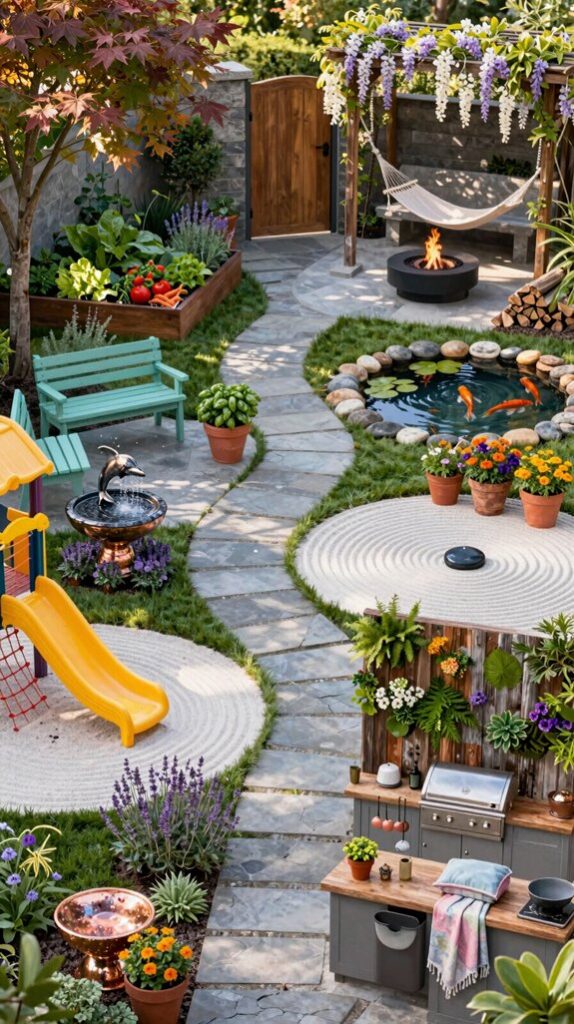
Map your yard by sketching zones, noting sun‑exposure hours, and assigning budget lines to each feature. Pick a single design language—modern minimalism, rustic cottage, Mediterranean, or Japanese Zen—and stick to three hues and uniform concrete or stone. Lay natural‑stone pathways with a 2 % runoff slope, add modular seating with built‑in lighting, and install a solar‑powered water feature that activates on motion. Set up drip irrigation with smart controllers, rotate seasonal plantings for color, and finish with DIY LED lighting and personal artwork. Continue for deeper details.
Map Your Yard Layout – Space, Sun, and Budget
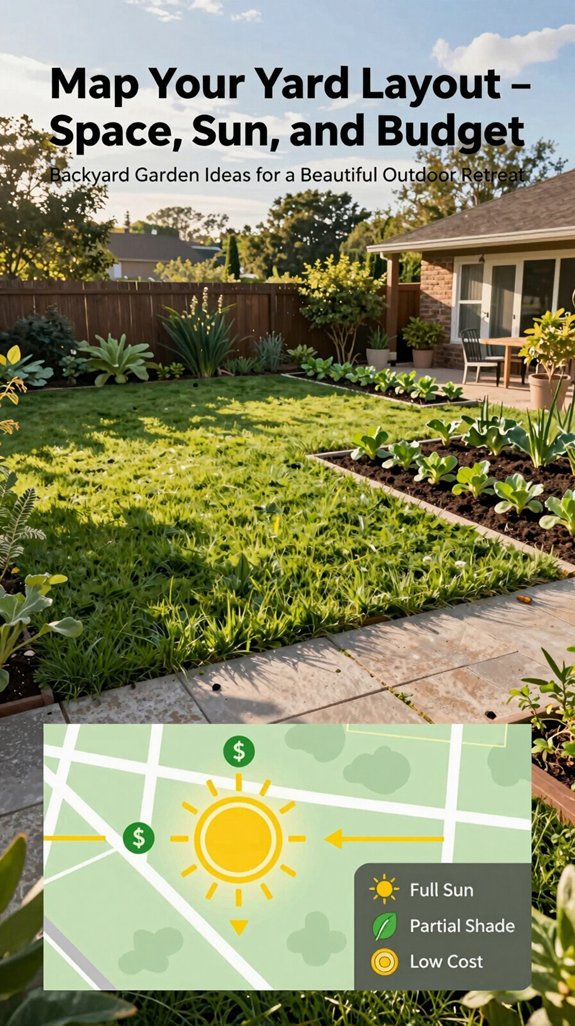
Since space, sun, and budget dictate every design choice, start by sketching a clear layout that maps out each zone, noting sunlight patterns, existing structures, and cost limits. Measure each area, record sun‑exposure hours, and assign a budget line to every feature. Plot high‑light zones for vegetables, shade‑loving perennials, and hardscape elements. Use graph paper or a digital planner to align pathways with utility lines, avoiding unnecessary cuts. Identify obstacles—fences, trees, drainage—to prevent costly rework. Prioritize modular units that can be reconfigured as needs shift. This precise blueprint becomes the foundation for an innovative, efficient garden.

☘️【Energy Storage Solar Panel】 This outdoor fountain requires no power outlet, features a high-efficiency solar panel and automatically stores solar energy during the day. It can run continuously for 6–10 hours even after sunset, creating a sustainable water feature for your outdoor space. With a 197-inch cord, it allows for more flexible placement.

Size & Package: Measures 15 "L x 11.4 "W x 24.4 "H to fit almost any outdoor area. The fountain can run for up to 4–5 hours on a full charge. Package: solar powered fountain (17 lb)*1, solar powered pump with lights*1 (16 ft), instruction*1

LATEST SOLAR POWERED FOUNTAIN: Mademax bird bath fountain with 100% full solar panel to reach 3.5W power. The solar birdbath fountain only needs 3 seconds to operate automatically in direct sun, with a spray height of 4–27.5 inches (10-70cm). No electricity or battery needed. What an Eco- Friendly and stable product! The most important this will attract a lot of hummingbirds to your garden
Choose a Cohesive Garden Style
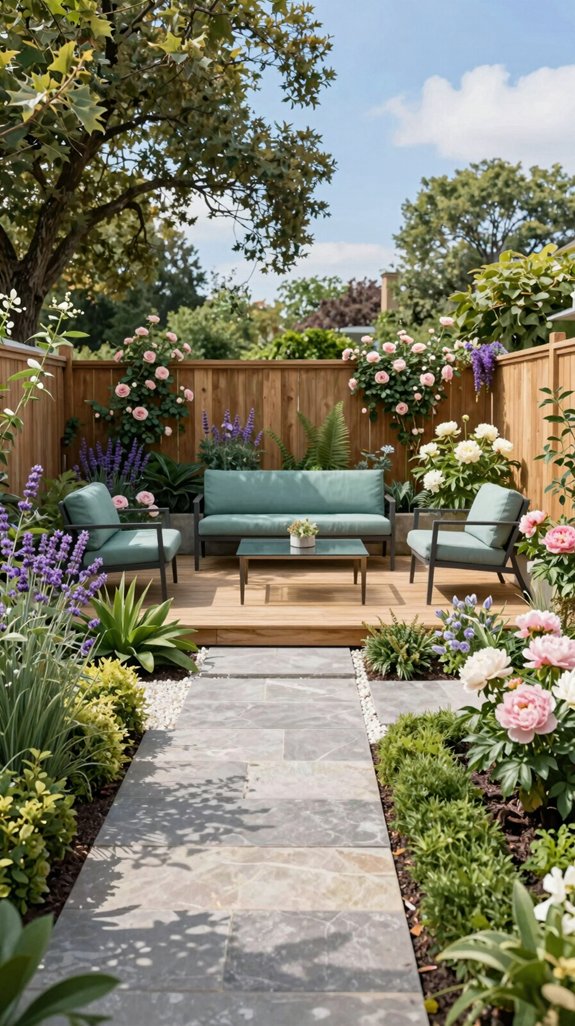
If you want a garden that feels intentional and easy to maintain, start by selecting a single design language—whether it’s modern minimalism, rustic cottage, Mediterranean, or Japanese Zen—and stick to it throughout every element. Map colors, materials, and plant families to that language; limit palette to three hues, repeat concrete or stone, and choose foliage with similar leaf texture. Define zones by function, not by random placement; each zone should echo the core style. Use modular planters, standardized lighting fixtures, and uniform edging to reinforce cohesion. Enhance your outdoor zones with smart lighting solutions to create ambient lighting that adapts to different times of day and functions. Consistency reduces decision fatigue, streamlines upkeep, and showcases innovative design without visual chaos.

1108 High-Quality Pieces: Enjoy hours of creative fun with 1108 premium building blocks. Each piece is designed for durability and compatibility with all major brands, ensuring endless building possibilities for enthusiasts.

【CHECK THE DIMENSIONS】The outdoor cushions for patio furniture include 4 seat cushions(25.6"L*25.6"W*4"H), 3 back pillows(25.6"L*13.5"W*9"H) and 2 lumbar pillows measuring(18.1"L*13.5"W*9"H). Please measure your furniture before ordering to ensure you choose the right size cushions. Due to the different light and monitor, the actual color may have a slight color difference with the images. If you have any suggestions or questions, please contact us immediately.

【Easy 1-Minute Replacement】 No more prying up heavy stones! Unlike traditional hardscape lights that require destroying masonry work to fix, our innovative modular design lets you swap the LED engine by simply removing 4 screws. The heavy-duty stainless steel plate and wiring stay permanently secured under the blocks. True hassle-free maintenance for your outdoor retaining walls and seating walls.
Create a Cozy Seating Nook
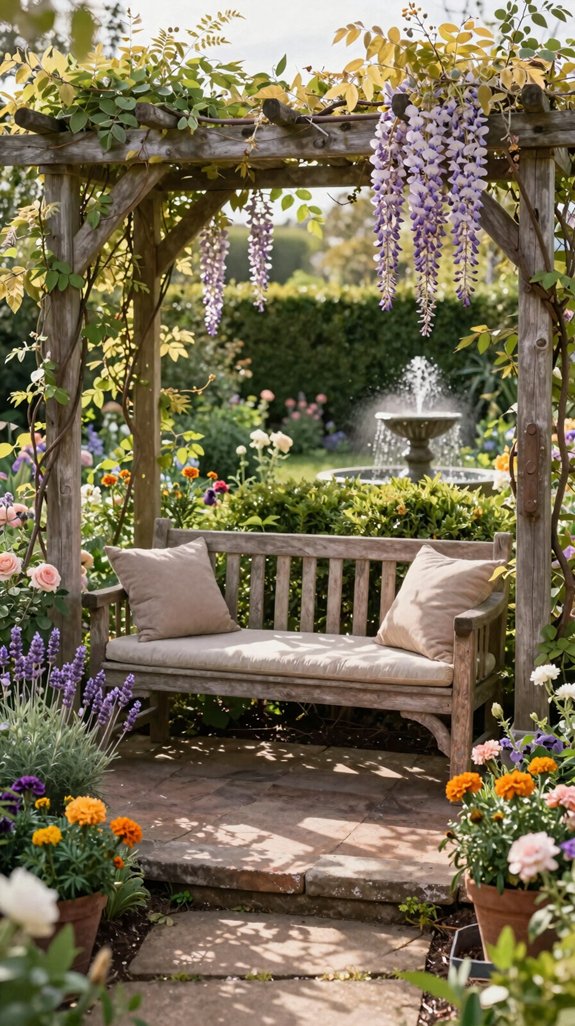
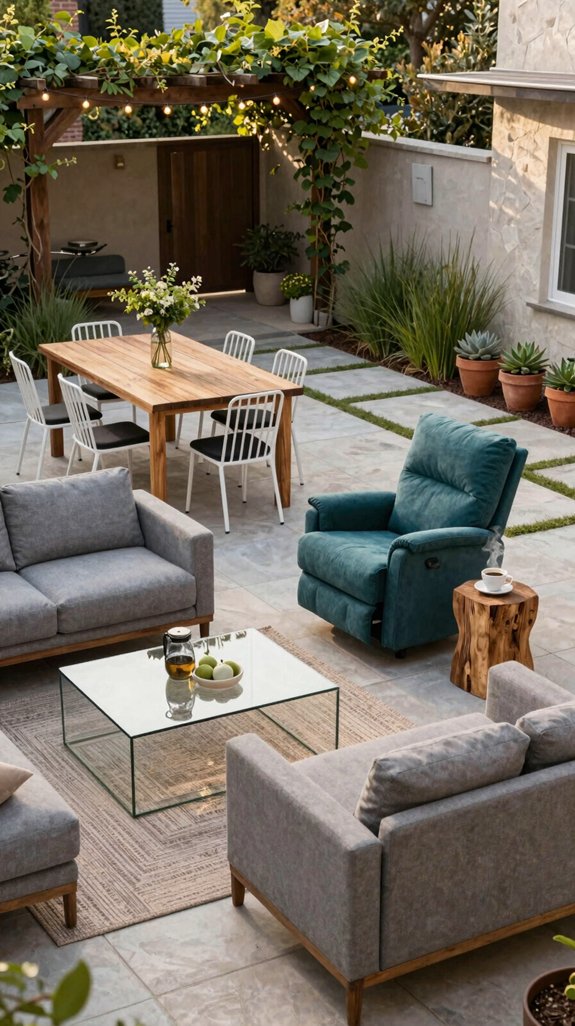
Where do you want to unwind? Pinpoint the exact spot where sunlight meets shade, then map a compact, low‑profile bench or modular pouf set. Choose weather‑resistant materials—recycled timber, powder‑coated metal, or high‑density foam—with integrated storage for blankets and cushions. Install a built‑in lighting strip beneath the seat edge for ambient glow after dusk. Add a detachable side table that doubles as a planter, ensuring vertical space efficiency. Anchor the arrangement with a subtle, permeable ground cover that directs foot traffic and prevents erosion. Keep dimensions precise, tolerances tight, and every component interchangeable for future upgrades. Use absorbent materials like quality textiles for cushions and throws to maintain comfort and durability through varying weather conditions.

🔹 [Smart Timer Included – Hands-Free Watering, Fully Programmable | 2026 Upgraded]No more daily hose duty. The built-in automatic timer lets you customize watering schedules by time, frequency, and duration. Features Rain Delay Mode (1–15 days) to pause watering during rainy days and resume automatically, plus a Child Lock for added peace of mind. Note: Batteries are not included. Please follow the instructions to set watering schedules

Efficient Automatic Watering Kit: This irrigation system delivers water directly to the roots, reducing waste and keeping soil evenly moist; Precise flow control helps plants grow stronger and healthier, so your plants thrive with less effort

Intelligent Irrigation Control: The Orbit Smart Sprinkler Controller manages watering with a powerful smart sprinkler that supports a completely automatic watering system
Install a Simple DIY Pergola
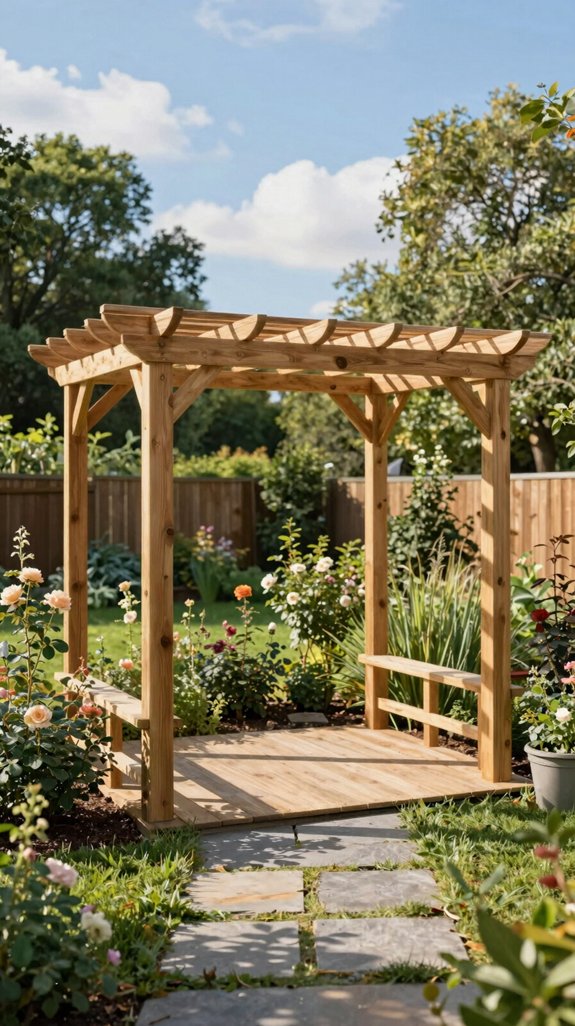
After placing your seating nook, add a pergola to define the space and provide shade. Choose a modular kit with pre‑drilled posts, brackets, and crossbeams; it cuts assembly time and guarantees structural integrity. Measure the area, mark post locations, dig 12‑inch holes, and set posts in concrete for stability. Secure brackets with stainless‑steel bolts, then attach crossbeams, checking for levelness at each step. Install a lightweight fabric canopy or climbing vines for adjustable sun protection. Integrate LED strip lighting in the rafters for evening ambience. Consider adding garden torches around the pergola perimeter to enhance the ambiance while keeping insects away from your gathering space. This DIY pergola delivers functional shelter, visual focus, and a platform for future tech‑enhanced accessories.

RUBBER STEPPING STONES: Elevate your outdoor space with these lightweight simulated flagstone rubber pavers that offer the timeless beauty of real stone without the heavy lifting.

Weather-Resistant & Built to Last: Crafted from durable PC+ABS resin, these stepping stones are heat-resistant, crack-proof in freezing temps, and impact-resistant. Designed for year-round outdoor use, they won’t fade, warp, or lose their shape—rain or shine.

Decorative beautification effect: using unique natural pebbles, can be freely spliced and combined to create a personalized patio path or pattern. It can also be separated into single pieces and flexibly embellished in various parts of the yard, adding natural wild fun. It is a unique and practical decorative element for lawn and garden
Add a Wildlife‑Friendly Water Feature
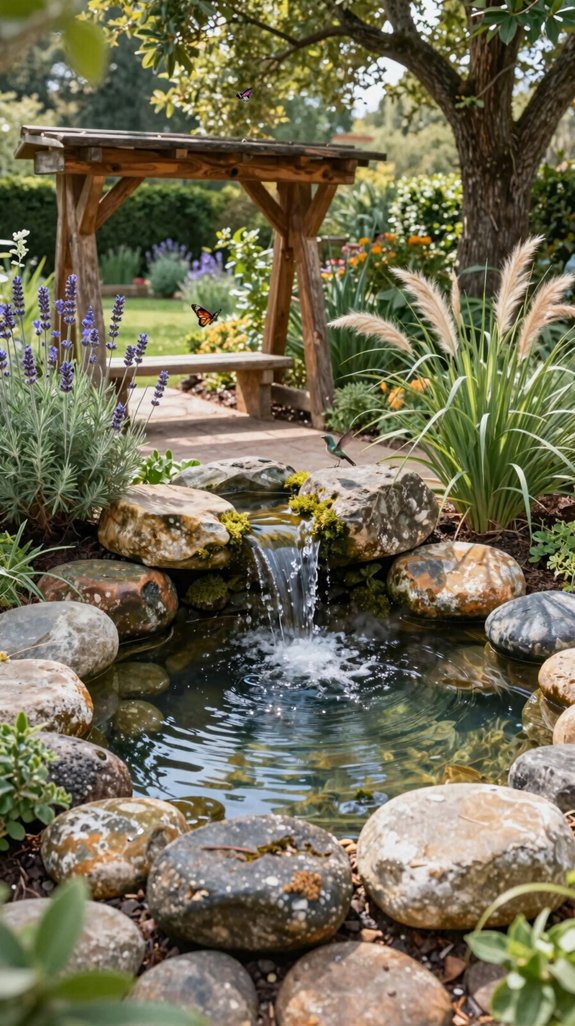
Curious how a simple water feature can turn your backyard into a thriving oasis? Install a solar‑powered pump, a shallow basin, and tiered rocks to create a self‑sustaining ripple. Use a UV‑filtered liner to prevent algae, and embed a motion sensor that activates water flow only when wildlife approaches, conserving energy. Position the basin near native plants to provide shelter and a drinking source. Add a sloped edge for easy entry, and incorporate a small waterfall to aerate the water, preventing stagnation. For added visual interest and vertical dimension, consider pairing your water feature with vertical living wall systems that create layered plant displays above and around the basin. Regularly clean debris and monitor water levels; the system runs autonomously, inviting birds, butterflies, and amphibians without manual upkeep.

【Complete Landscape Lighting Kit】Includes 1 × 60W light-sensing transformer, 1 × 100ft landscape wire, 12 × 3W aluminum landscape spotlight, 12 × fastlock2 wire connector. Kit includes everything you need for your outdoor landscape lighting system, all at a great bundle price!

USAGE: The Light Set is used to light up 10315 Tranquil Garden (NOT include the Lego Set).

【Complete Landscape Lights Kit】Includes 12*5W landscape spotlight, 1*120FT landscape wire, 1*80W low voltage transformer, 24* fastlock wire connector. Light set includes everything you need for your outdoor landscape lighting system, no need to purchase additional accessories!
Plant a Fragrant Herb Border
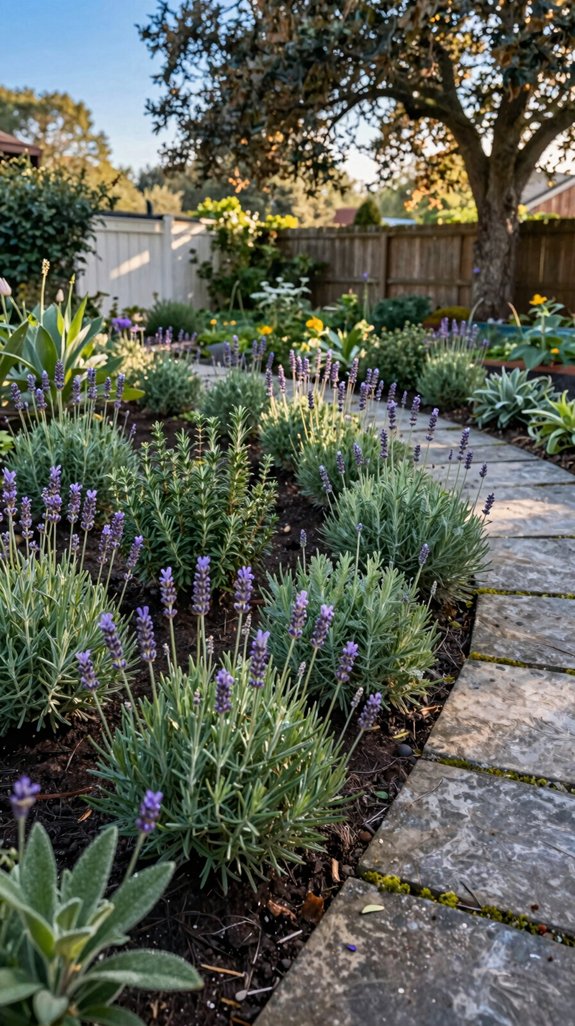
The humming water feature already draws pollinators, so extending the sensory experience with a fragrant herb border will amplify both aroma and utility. Choose low‑maintenance, high‑oil herbs—lavender, rosemary, thyme, sage—arranged in a 3‑foot wide strip. Plant in well‑draining soil, spacing each clump 12‑18 inches apart to avoid competition. Install a drip‑irrigation line with a timer set to 15‑minute bursts at dawn, conserving water while delivering moisture directly to roots. Mulch with coarse pine bark to suppress weeds and retain heat. Trim regularly to maintain shape and encourage vigorous growth, ensuring a consistent scent corridor that complements the water feature. Consider pairing your herb garden with individual pet blankets for outdoor relaxation spaces where you and your companions can enjoy the aromatic surroundings.

CALMING, SOOTHING SOUND: Faux stone column with four bowls, illuminated by solar-powered LED lights for a decorative water feature during the day and night

SOLAR-POWERED DESIGN: Includes a separate solar panel that harnesses sunlight to run the fountain wire-free, making it ideal for any outdoor space.

Runs On Solar Power: A low voltage water pump powered by a single solar panel produces the cascading water effect with no additional wiring or power source required
Build a Low‑Maintenance Succulent Bed
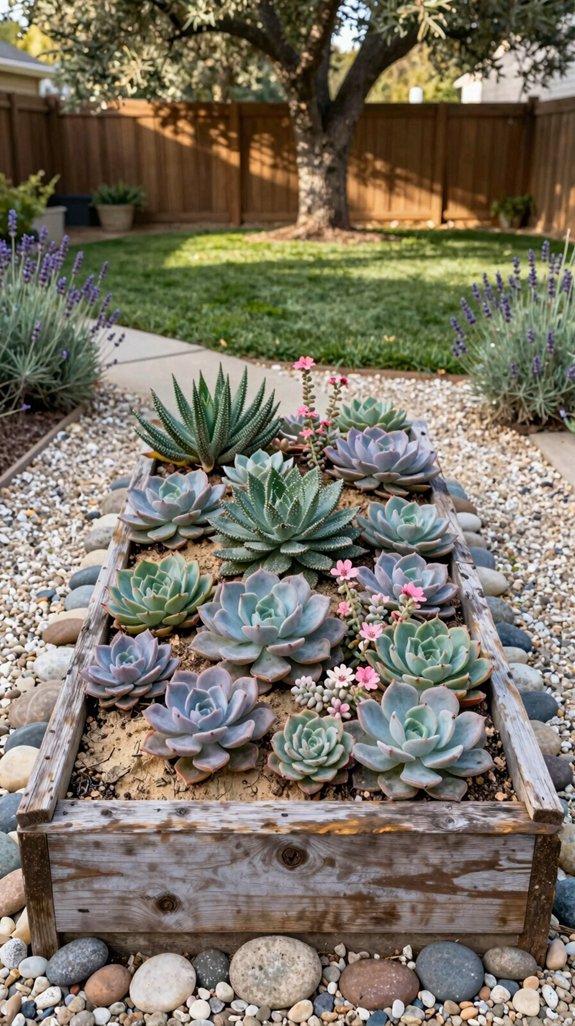
If you want a garden section that practically takes care of itself, start by selecting a sunny, well‑draining spot and laying a base of coarse sand mixed with gravel. Choose a pre‑blended succulent mix that contains cactus soil, perlite, and a small amount of compost for nutrient balance. Arrange plants in geometric clusters to maximize visual order and water efficiency. Install a drip‑irrigation line with a timer set to 10‑minute bursts twice weekly; calibrate flow to deliver 0.05 gal per square foot. Mulch lightly with decorative river stones to suppress weeds and retain moisture. After maintaining your garden, you can create a cozy outdoor space with pet blanket sets for relaxing lounging areas. Periodically prune dead leaves, and you’ll maintain a sleek, low‑maintenance bed.
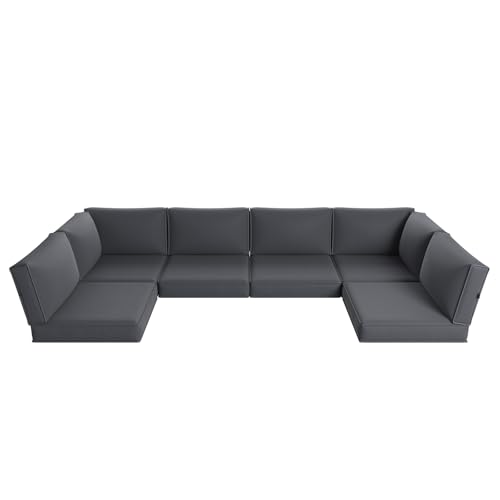
【𝗦𝗶𝘇𝗲 & 𝗣𝗮𝗰𝗸𝗮𝗴𝗲 𝗥𝗲𝗺𝗶𝗻𝗱𝗲𝗿】Please measure your outdoor furniture first for a perfect fit. Our patio furniture cushions are vacuum-packed for shipping and will expand to full 4" thickness within 48-72 hours. Due to natural fabric properties, slight color variations may occur under different lighting or screens

【Easy 1-Minute Replacement】 No more prying up heavy stones! Unlike traditional hardscape lights that require destroying masonry work to fix, our innovative modular design lets you swap the LED engine by simply removing 3 screws. The heavy-duty stainless steel plate and wiring stay permanently secured under the blocks. True hassle-free maintenance for your outdoor retaining walls and seating walls.

【BUILT TO LAST, 400LBS STURDY SUPPORT】Crafted from solid teak wood, this outdoor loveseat harnesses teak's naturally high oil content, which grants it extreme resistance to rot, moisture, insects, and warping – qualities that set it apart from common hardwoods that may crack or decay over time. The reinforced frame and precision engineering support a total 400‑lb weight capacity, giving you peace of mind during lively gatherings.
Design a Colorful Flower Wall
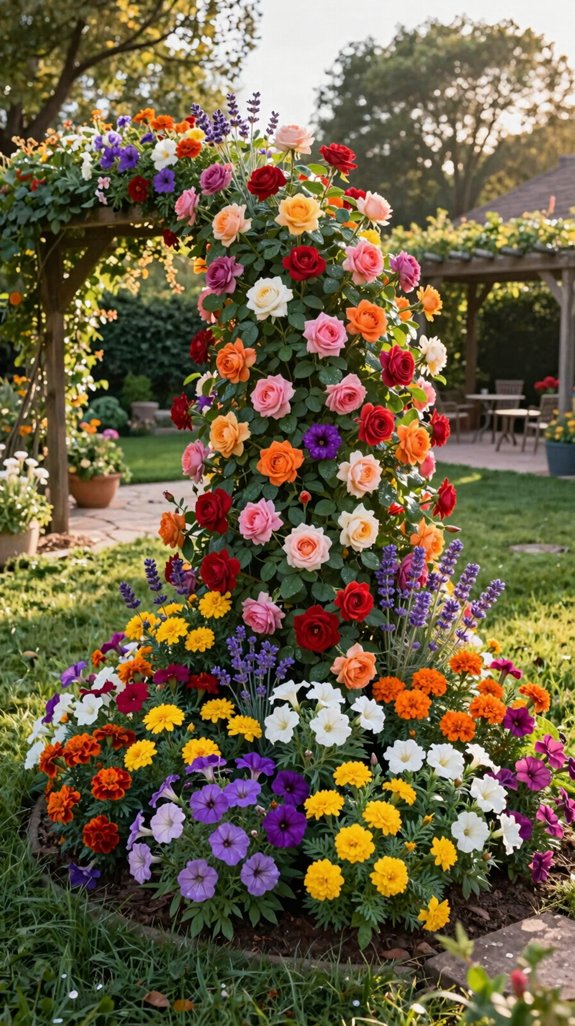
When you pick a sunny, well‑drained wall and prep it with a sturdy, moisture‑retaining backing, you set the stage for a vibrant, low‑maintenance flower display. Choose a modular panel system that locks into place, allowing precise spacing and quick replacement. Install a drip‑irrigation line behind the panels, calibrate flow to 0.5 gal hour⁻¹ per square foot, and connect to a smart controller that adjusts for weather data. Select a palette of perennials with staggered bloom times—lavender, petunias, and ornamental peppers—ensuring continuous color. Anchor each plant in a pre‑drilled pocket, compress soil, and mulch lightly to retain moisture. Monitor growth weekly, prune for shape, and replace any dead sections promptly to maintain visual impact. Complement your flower wall with outdoor bar carts to create a complete entertaining space for guests to enjoy drinks while admiring your garden design.


Automated Dip Irrigation: This drip irrigation kit is designed for Vivosun VGrow Smart Grow Box and can be programmed through the Vivosun app (also works with a standalone 5V 1A USB power adapter and controlled manually); Users can precisely control watering time, frequency, and flow rate according to their specific needs

Smart Irrigation Control Anywhere: The Orbit B-hyve Indoor Smart Sprinkler Controller provides smart sprinkler timer functionality for efficient yard irrigation
Use Raised Beds for Better Soil Control
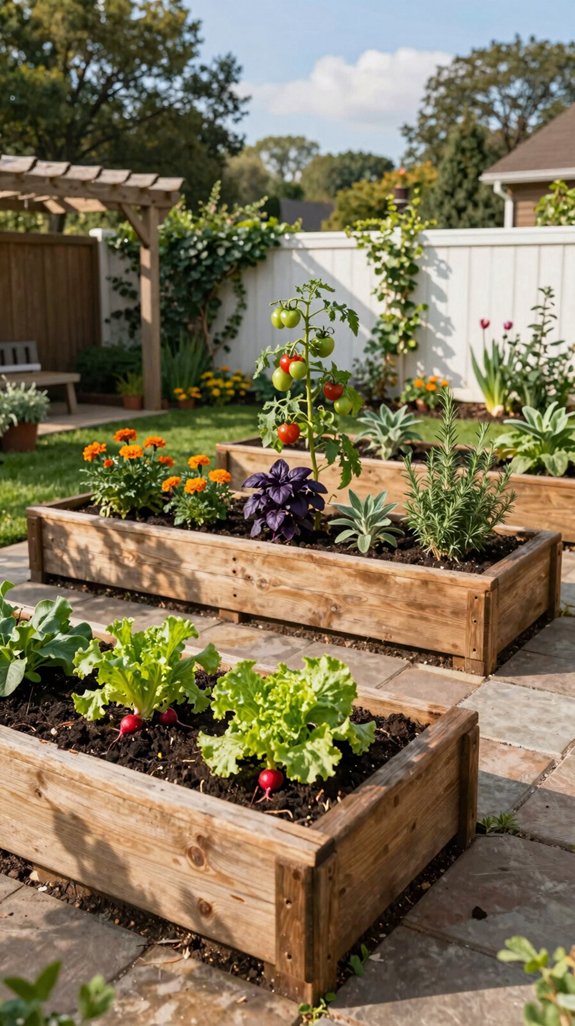
A handful of well‑constructed raised beds instantly give you precise control over soil composition, drainage, and nutrient balance. Choose rot-resistant lumber or modular metal frames, then line them with permeable fabric to prevent root intrusion. Fill each bed with a calibrated mix—30 % compost, 40 % loam, 20 % sand, 10 % perlite—adjusted for your target crops. Install drip‑irrigation lines with pressure‑regulated emitters to deliver uniform moisture while avoiding runoff. Add a top layer of mulch to retain humidity and suppress weeds. Monitor pH weekly with a digital probe; amend with lime or sulfur as needed. Wearing reusable gloves protects your hands during soil preparation and maintenance tasks. This system maximizes yield, minimizes labor, and supports experimental planting schemes.


Weight and Size: We offer a wide range of sizes, including 0.5-1", 1.5-2", 2-3.5", 3.5-5", and 5-7". The mixed-color river rocks feature various colors, shades, and shapes. Please note that the rocks are heavier than expected, and their volume and quantity may appear smaller than anticipated. Available in weights ranging from 10 to 40 pounds

Quality Rubber Material: Made of durable rubber, these round stepping stones outdoor measure 17.3" in diameter and 0.7" in thick. The rubber stepping stones are designed with embossed leaf texture, they add natural charm to your garden while boosting friction for safer, steadier walking
Incorporate Pathways With Natural Stone
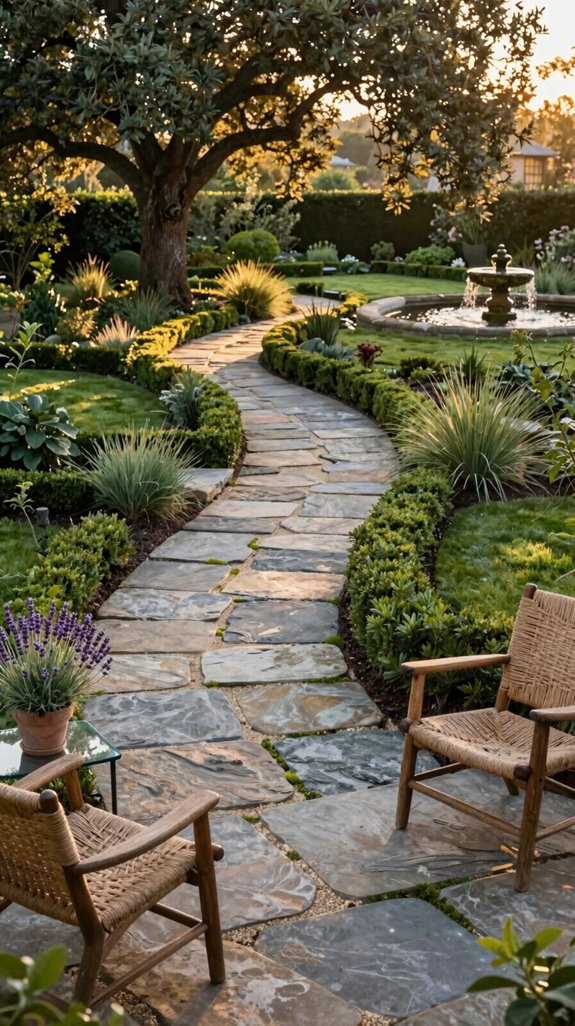
Three or more natural‑stone pavers set in a compact, interlocking pattern instantly define a functional garden aisle while allowing water to percolate. You’ll measure the layout with a laser level, then embed a geotextile fabric to prevent weed intrusion. Choose reclaimed flagstone for irregular edges, or slate for uniform thickness, and seal joints with polymer‑based mortar to balance durability and breathability. Incorporate subtle slope—about 2%—to guide runoff toward rain gardens, reducing erosion. Align the path with existing planting rows to create visual continuity and maximize foot traffic efficiency. This precise, low‑maintenance approach elevates aesthetics while preserving soil health and hydrology. For added stability under high-traffic areas, consider applying rug pads with proper grip to prevent shifting and maintain the integrity of your stone pathway design.

✅12 PACK RGBW LANDSCAPE LIGHTS WITH TRANSFORMER- This RGBW low voltage landscape lighting kit includes 12 color changing landscape spotlights, 300W timing transformer with photocell sensor and 12 fastlock2 wire connectors. Perfect combo for outdoor landscape lighting, a great upgrade for your property.

Complete Landscape Lighting Kit: Everything you need is in the box! Includes an ETL-certified 60W transformer, UL-listed 100ft 16/2 AWG wire, 8 die-cast aluminum pathway lights, and 16 connectors. Enjoy convenience in one package

FLOWER HOUSE BUILDING SET WITH LIGHT - This exquisite flower house building block set comes with a total of 1332 pieces. The innovative LED lighting design adds a touch of charm to your floral abode, making it appear even more cozy and inviting at night.
Install Subtle Garden Lighting
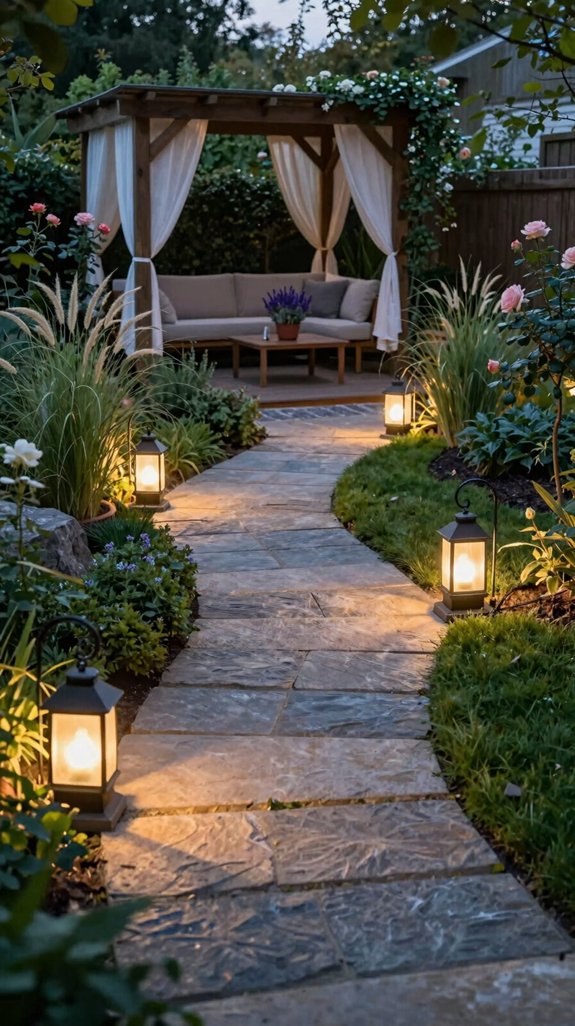
If you want the garden to feel inviting after dusk without wasting energy, start by mapping out low‑voltage LED strips or solar‑powered spotlights along the edges of your stone pathways. Choose fixtures with dimmable, warm‑white LEDs and integrate motion sensors to limit runtime. Run wiring through conduit beneath the soil, securing connections with waterproof connectors. Pair lights with a programmable controller that cycles through sunrise‑simulated tones for seasonal variation. Prioritize solar panels that store excess daylight in lithium‑ion batteries, ensuring night‑time output even on cloudy days. Test illumination angles to avoid glare, and adjust mounting heights until shadows enhance, not obscure, plant forms. For a more enchanting effect, consider adding enchanted outdoor fairy lights strung overhead or woven through garden structures to create an additional layer of magical ambiance. This systematic approach guarantees efficient, adaptable lighting that elevates the garden’s nocturnal ambiance.
Plant Shade‑Tolerant Ferns and Hostas
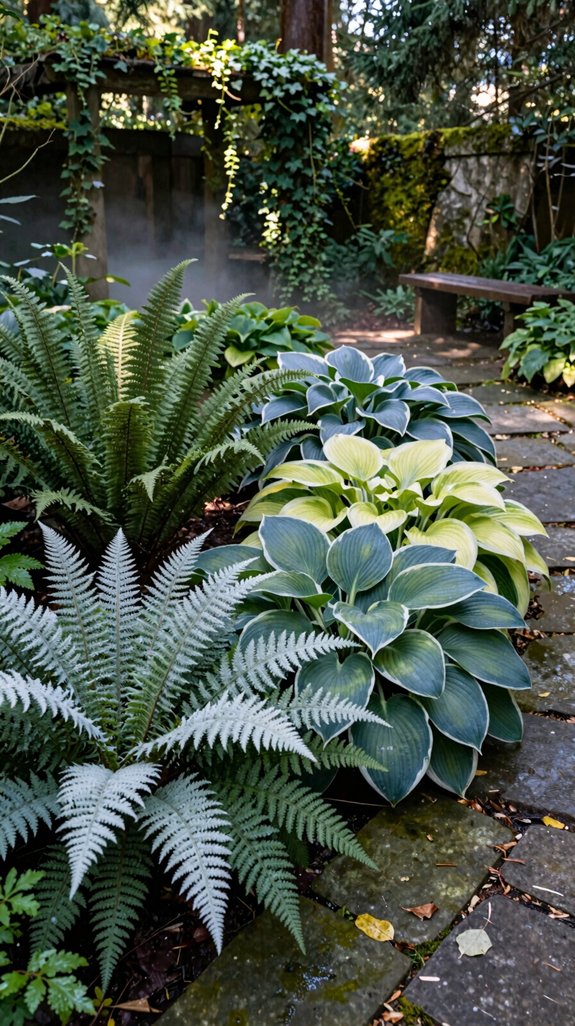
After the lighting plan is set, turn your attention to the shade‑loving foliage that will thrive under the dimmed glow. Choose compact, fast‑growing ferns like Japanese Sword or Lady Fern; they demand low light, minimal water, and tolerate root‑bound conditions. Pair them with hostas that offer texture variance—’Patriot’ for bold foliage, ‘Blue Angel’ for subtle hue. Plant in a raised, well‑draining bed, amend soil with compost, and space 12‑18 inches apart to prevent crowding. Apply a slow‑release fertilizer at spring, then mulch to retain moisture. Monitor for slugs, and prune dead fronds to keep the design crisp and innovative. Consider incorporating modular planting components to allow flexible arrangement and easy repositioning of your shade plants as your garden evolves.
Add a Vertical Garden on a Trellis
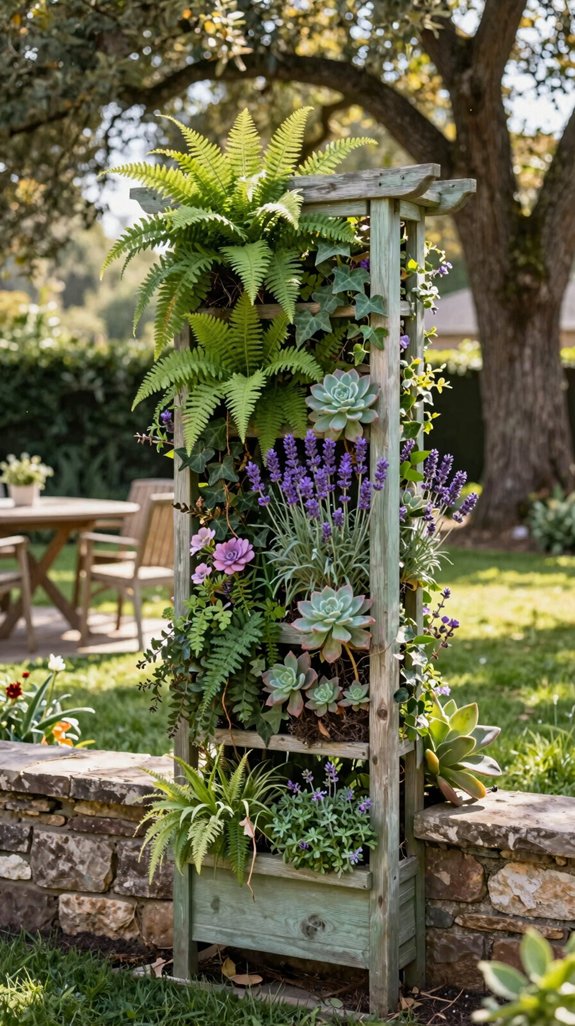
A well‑designed trellis can instantly multiply your garden’s usable space, turning a plain wall into a thriving vertical ecosystem. Choose a modular, corrosion‑resistant frame that fits your wall dimensions exactly; measure and drill mounting points to the millimeter. Install a drip‑irrigation manifold behind the lattice, routing tubing to a timer for precise water delivery. Select lightweight, fast‑growing climbers—such as sweet peas, nasturtiums, or dwarf cucumbers—paired with nutrient‑rich, breathable fabric pockets. Anchor each pocket with stainless‑steel clips to prevent drift. Adjust plant spacing based on canopy spread calculations, ensuring uniform light penetration and airflow for peak growth. Complement your vertical garden with display shelves to showcase decorative planters and garden accessories that enhance your outdoor retreat’s aesthetic appeal.
Set Up a Small Outdoor Kitchen Corner
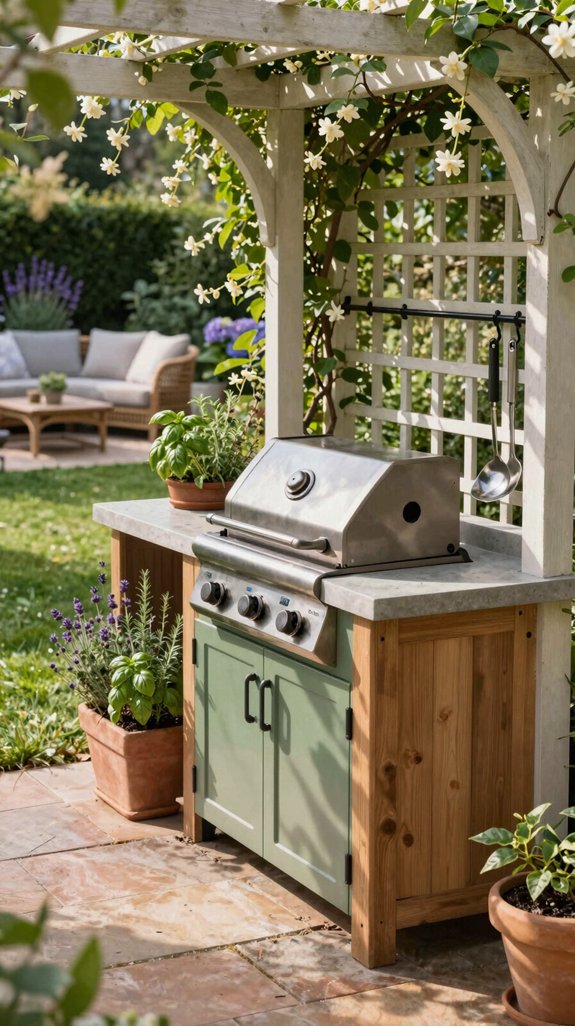
Choosing a compact, weather‑resistant countertop and a modular, stainless‑steel appliance suite lets you create a functional outdoor kitchen in a tight space. Measure the patio’s exact dimensions, then sketch a layout that aligns the grill, sink, and storage within a 4‑foot radius. Install a fold‑down prep table that doubles as a serving surface, and integrate magnetic strips for knives and tools. Use a built‑in propane line with auto‑shutoff for safety, and connect a compact, energy‑efficient refrigerator to a solar‑powered outlet. Add LED strip lighting beneath the countertop for night‑time visibility. Keep all components sealed, rust‑proof, and easily removable for seasonal storage. Consider placing alternative power bank charging stations nearby to keep outdoor entertainment devices charged throughout your gathering.
Create a Kids‑Friendly Play Area
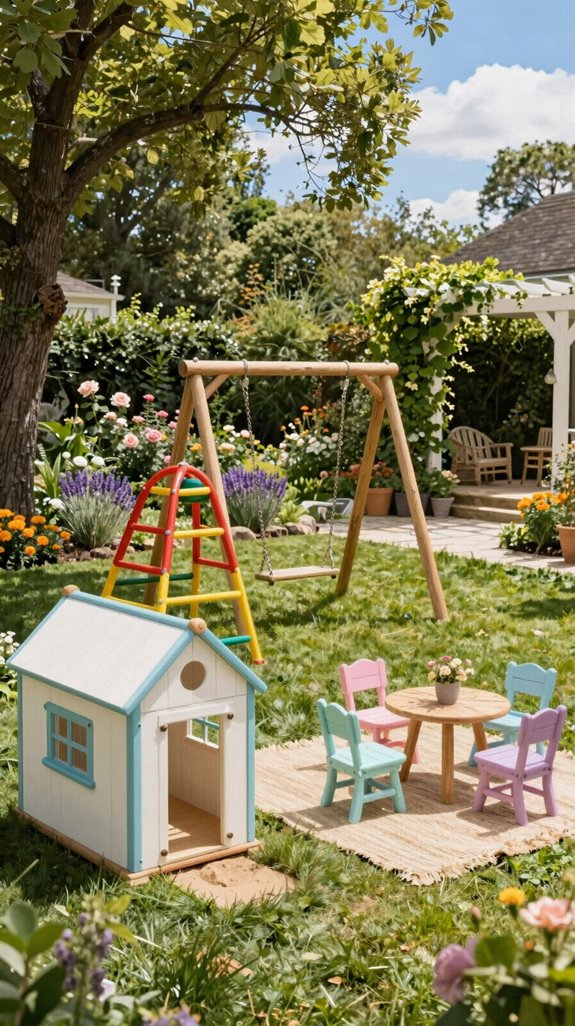
Your compact kitchen’s modular layout already maximizes space, so you can repurpose the remaining patio area into a safe, organized play zone for kids. Begin with a low‑profile, interlocking foam mat system that defines boundaries and cushions falls. Install recessed, weather‑proof power outlets for interactive panels and LED lighting that adjusts brightness automatically. Mount a modular, height‑adjustable climbing frame with built‑in storage bins for toys, ensuring each component locks securely. Add a sensor‑controlled irrigation drip line that pauses when motion is detected, preserving sand and mulch in play pits. Use UV‑stable, recycled‑plastic edging to delineate zones, keeping maintenance minimal and durability maximal. Consider implementing cable management solutions along the perimeter to organize power cords and sensor wires, keeping them safely tucked away from children while maintaining easy access for maintenance and adjustments.
Use Mulch to Conserve Moisture
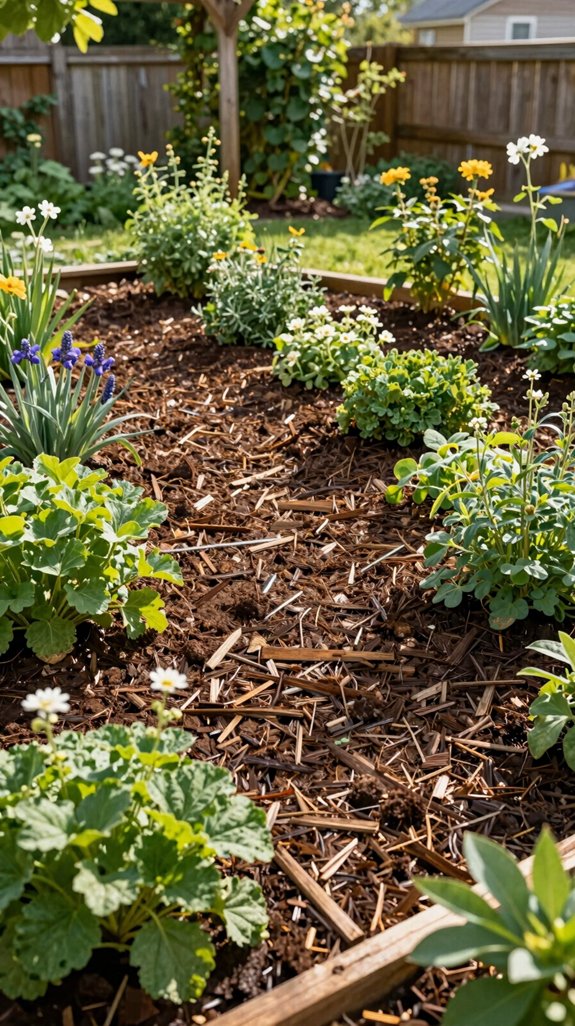
When you spread a layer of organic mulch over garden beds, you immediately cut down evaporation and keep soil temperatures stable. Choose shredded bark, straw, or composted wood chips for optimal water retention and nutrient release. Apply a 2–3‑inch thickness, ensuring the mulch doesn’t touch plant stems to prevent rot. Water the mulch after installation to settle it and eliminate air pockets. Re‑apply annually, measuring depth with a ruler to maintain efficacy. Pair mulch with drip irrigation for synergistic moisture control, reducing water use by up to 40 %. This systematic approach maximizes plant health while conserving resources. Consider installing covered outdoor living spaces nearby to provide comfortable areas for maintaining and enjoying your garden throughout the year.
Plant a Mix of Annuals and Perennials
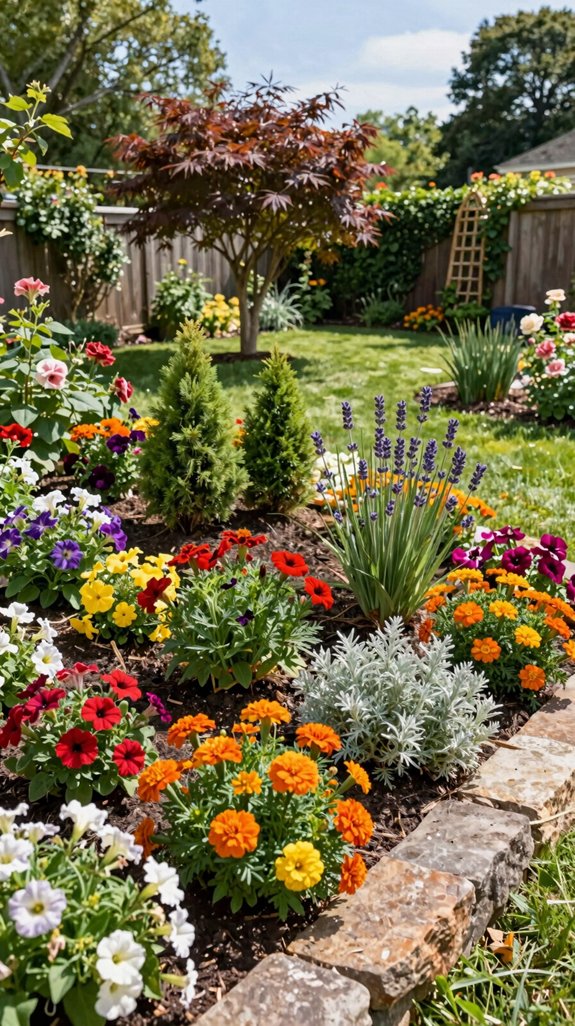
Mulch already stabilizes moisture, so now you can layer color and structure by mixing annuals with perennials. Choose a base of low‑maintenance perennials—lavender, sedum, or ornamental grasses—to provide year‑round form and soil health. Add annuals like petunias, marigolds, or impatiens for seasonal bursts of hue and texture. Map planting zones: perennials in the back, annuals in front, ensuring height gradation and unobstructed sightlines. Space plants according to mature spread, using a grid layout to maximize density without crowding. Just as matching frame pairings create cohesion in gallery walls, a thoughtful selection of complementary plant colors and textures will unify your garden design. Rotate annual selections each year to test novel palettes, while preserving the perennial framework for continuity and ecosystem stability.
Add a Bird‑Feeding Station
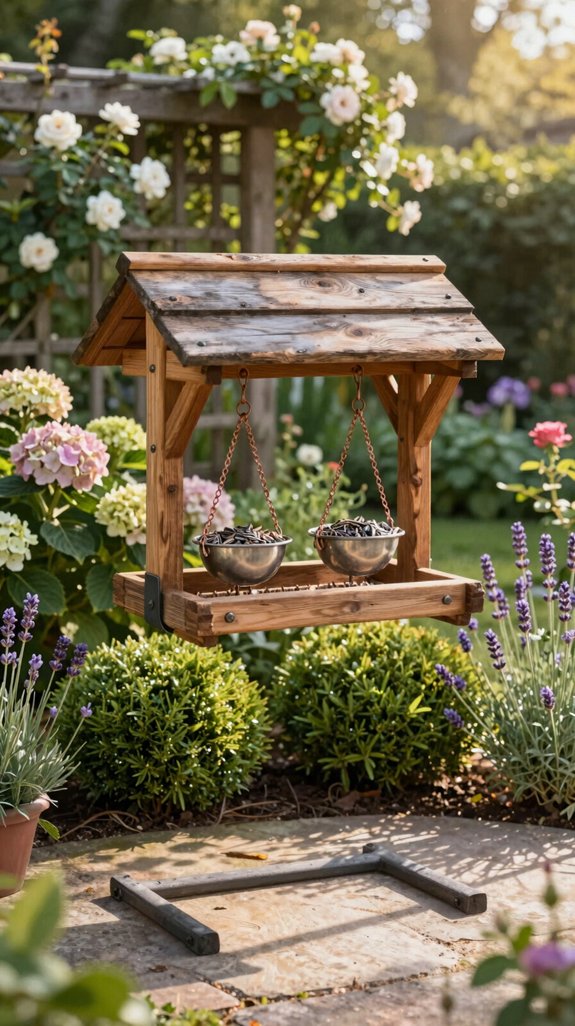
If you want to attract lively visitors while keeping the garden tidy, install a compact bird‑feeding station near the edge of the planting beds. Choose a modular feeder with interchangeable seed trays, allowing rapid swaps between high‑energy mixes and specialty blends. Mount it on a stainless‑steel pole with a built‑in rain shield to protect feed and reduce mess. Integrate a solar‑powered sensor that dispenses seed only when motion is detected, conserving resources and extending battery life. Position the station within a 5‑meter radius of flowering perennials to create a seamless pollinator corridor. Monitor activity via a Bluetooth‑linked app, adjust feeding schedules, and maintain plant health without manual oversight. Consider pairing your feeding station with light control solutions like nearby roller shades on a garden shelter to create comfortable viewing areas during peak feeding times.
Install a Small Fire Pit for Evening Gatherings
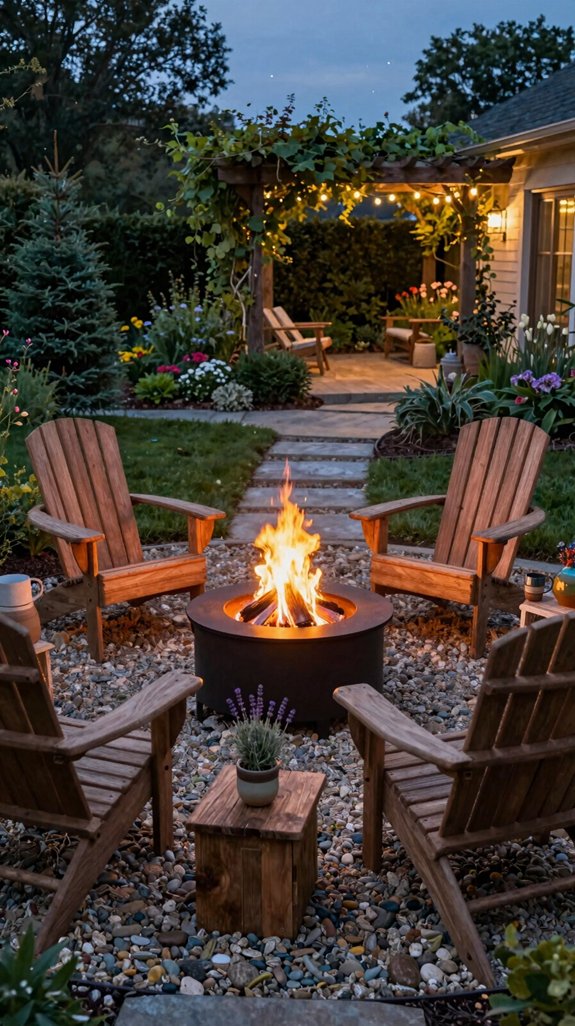
Because evenings linger longer in spring, a compact fire pit becomes the centerpiece for relaxed gatherings. You’ll select a low‑profile, steel‑cased unit with a built‑in smoke‑filter, ensuring compliance with local ordinances and minimal emissions. Position it on a concrete pad or reclaimed pavers to protect soil and streamline cleanup. Integrate a magnetic ignition system for one‑touch lighting, then add a detachable heat‑shield to control flame height. Connect a solar‑powered LED rim for ambient glow after dark. Store firewood in a sealed, moisture‑resistant container nearby, and schedule weekly safety checks to maintain structural integrity and user confidence. Consider pairing your fire pit with a cantilever patio umbrella positioned nearby to provide flexible shade coverage during daytime gatherings and transition periods.
Use Decorative Planters for Pops of Color
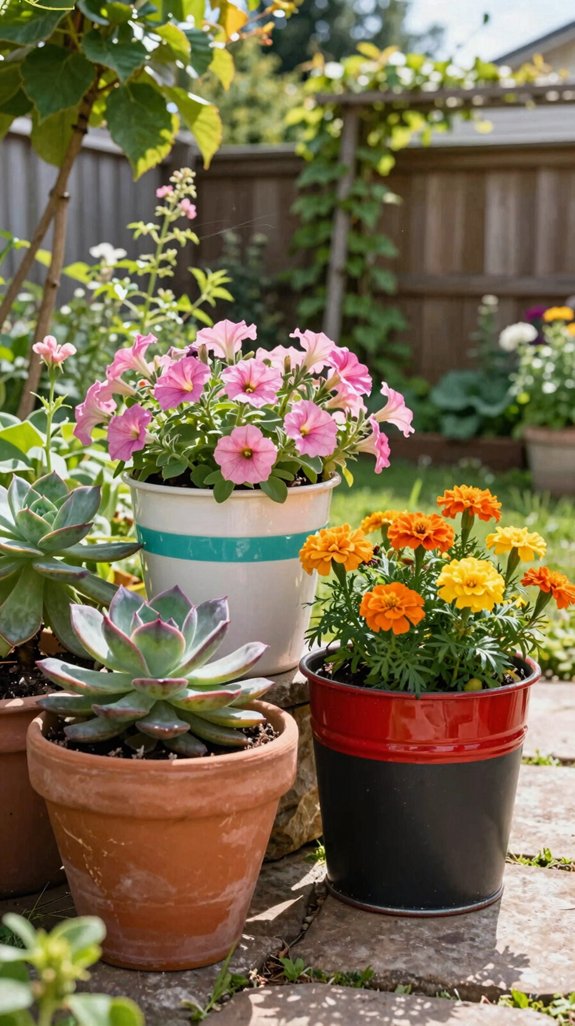
Evening light highlights the garden’s texture, so choose decorative planters that deliver bold color while serving practical functions. Pick materials—ceramic, metal, recycled resin—that resist weathering and match your design schema. Align planter shapes with planting zones: tall, narrow containers for vertical herbs, wide, shallow trays for ground‑cover succulents. Integrate smart drainage systems to prevent root rot, and embed moisture sensors for automated irrigation. Coordinate color palettes with existing furniture, using complementary hues to create visual rhythm. Swap interchangeable liners for seasonal rotation, maintaining soil health and aesthetic freshness. Consider hanging shelves designed for displaying plants to elevate smaller decorative planters and maximize your vertical garden space. This systematic approach maximizes visual impact, durability, and horticultural efficiency.
Incorporate a Miniature Zen Garden
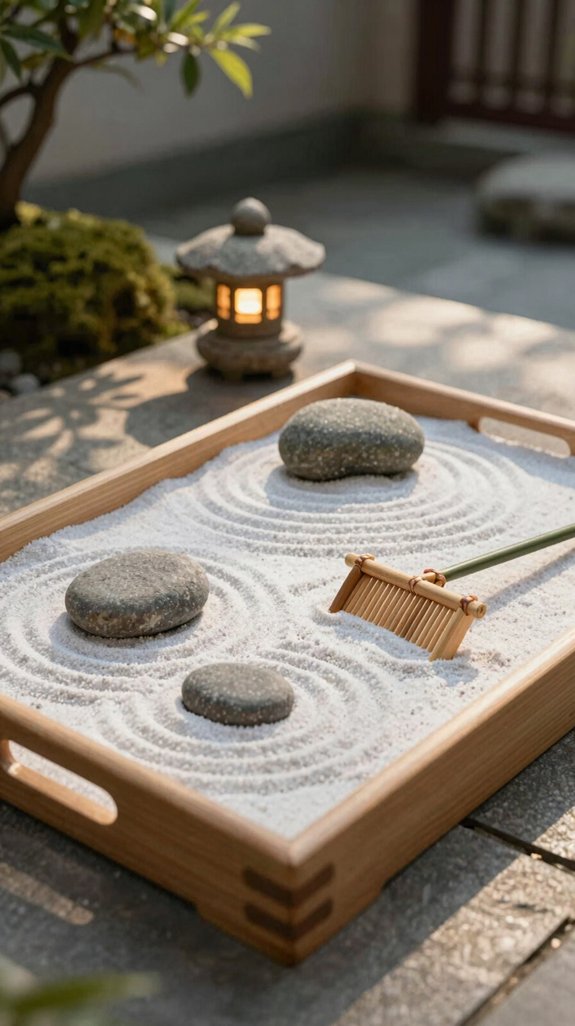
When you place a miniature Zen garden on a patio table or beside a stepping stone, you instantly add a focal point that balances simplicity with intentional design. Choose a low‑profile tray, sand, and a few sculpted stones; arrange them with geometric precision. Use a small rake to create clean lines that invite tactile interaction. Incorporate LED edge lighting to highlight textures after dark, and select a weather‑resistant container that integrates with surrounding materials. To keep your Zen garden pristine, stock essential janitorial supplies such as soft brushes and microfiber cloths for regular maintenance. Maintain the garden by sweeping sand daily and rotating stones weekly to prevent pattern fatigue. This compact, meditative installation adds functional art while reinforcing a minimalist aesthetic.
Choose Drought‑Resistant Prairie Grasses
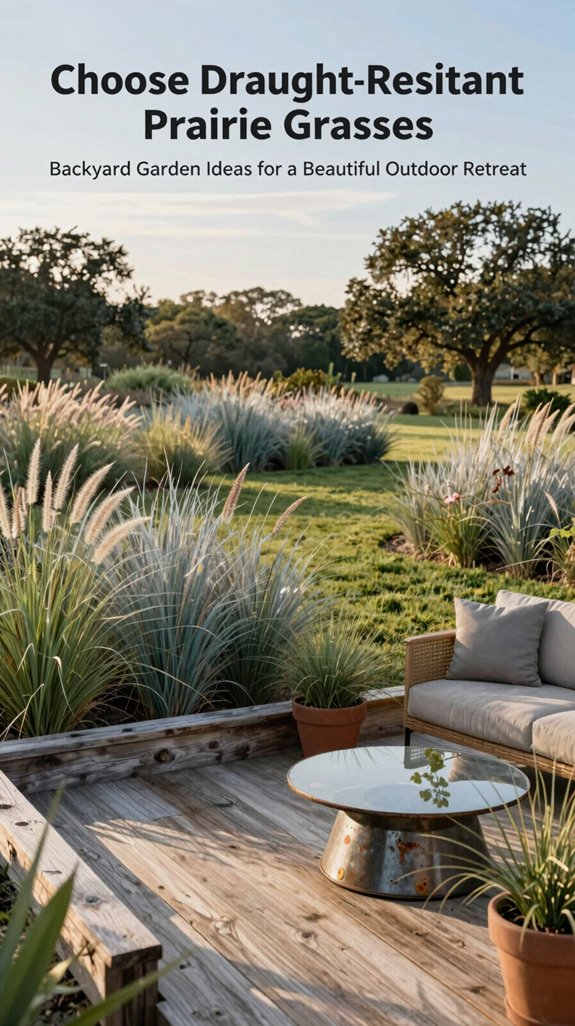
Why settle for thirsty lawns when drought‑resistant prairie grasses can turn your backyard into a low‑maintenance, year‑round oasis? Choose species like Little Bluestem, Switchgrass, or Big Bluestem for their deep roots, minimal water demand, and seasonal texture. Plant in well‑drained soil, space crowns 12–18 inches apart, and mulch lightly to retain moisture. Trim annually to control height and encourage dense growth. Combine contrasting heights for visual interest, and integrate ornamental grasses with native perennials for biodiversity. This functional planting scheme reduces irrigation, cuts labor, and delivers a modern, resilient landscape that adapts to climate variability while staying visually striking. Consider pairing your prairie grasses with wood-fired pizza ovens to create an outdoor cooking and entertaining space that complements your low-maintenance garden design.
Add a DIY Compost Bin for Sustainable Gardening
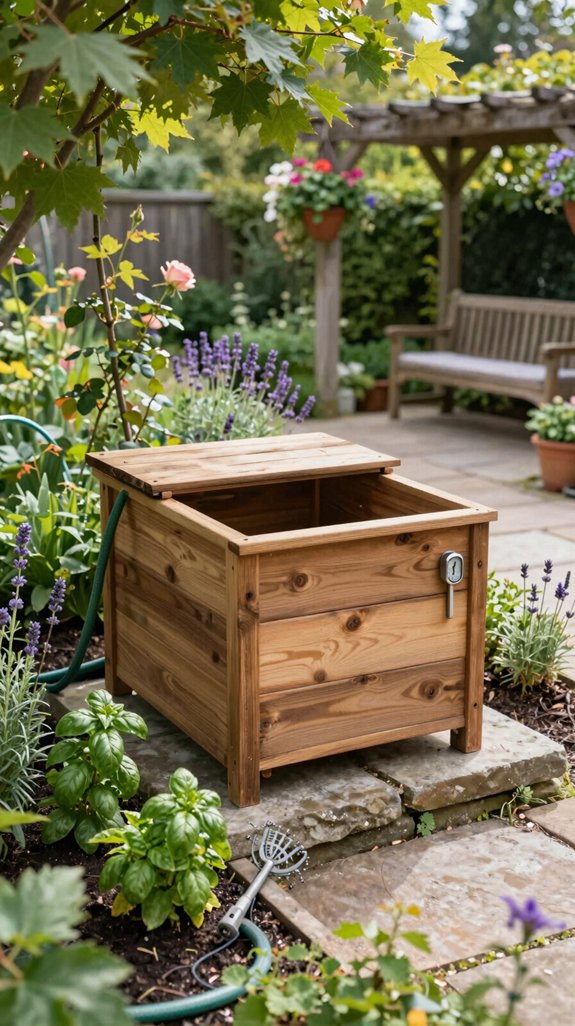
One simple way to boost sustainability and cut waste is to build a DIY compost bin right in your garden. Choose a sturdy, weather‑resistant container—plastic drum, wooden crate, or metal tote—with a secure lid and ventilation holes. Position it near your planting beds for easy access, but away from direct sunlight to maintain temperature stability. Layer brown (dry leaves, shredded paper) and green (kitchen scraps, fresh clippings) materials in a 3:1 ratio, turning the pile weekly with a pitchfork to aerate and accelerate decomposition. Track moisture; the mix should feel like a wrung‑out sponge. When dark, crumbly compost forms, sift out any large chunks and spread it around your beds for nutrient‑rich soil amendment. Just as you would organize essential travel gear for a pet’s outdoor adventures, organizing your composting materials creates an efficient system for garden success. This system reduces landfill waste, cuts fertilizer costs, and creates a closed‑loop nutrient cycle that supports innovative, low‑maintenance landscaping.
Install a Simple Drip‑Irrigation System
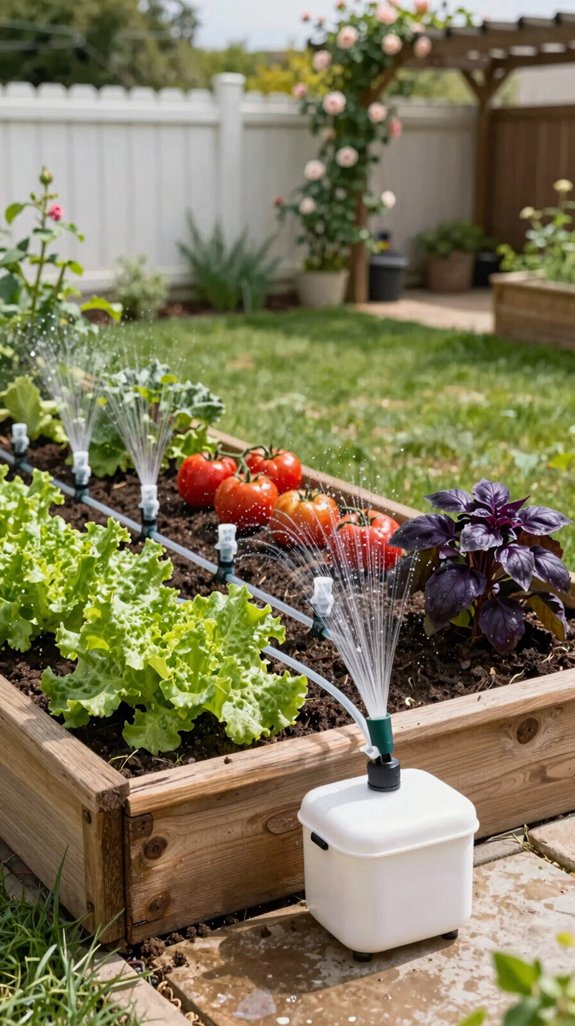
Ever wondered how to water your garden efficiently without wasting time or resources? You’ll need a drip‑irrigation kit, a timer, tubing, emitters, and connectors. Lay main tubing along rows, securing with staples at 12‑inch intervals. Attach emitters at each plant base, adjusting flow to 0.5‑1 gph. Connect tubing to a timer set for early morning or late evening cycles, typically 15‑30 minutes per zone. Use pressure‑regulating valves to maintain consistent output, preventing over‑watering. Test for leaks, then bury tubing shallowly to protect from UV. This system delivers water directly to roots, reduces evaporation, and integrates with smart home controllers for automated precision. Keep your irrigation components visible and functioning properly by regularly cleaning emitters and connectors to ensure optimal water flow throughout your system.
Use Seasonal Plant Swaps to Refresh the Look
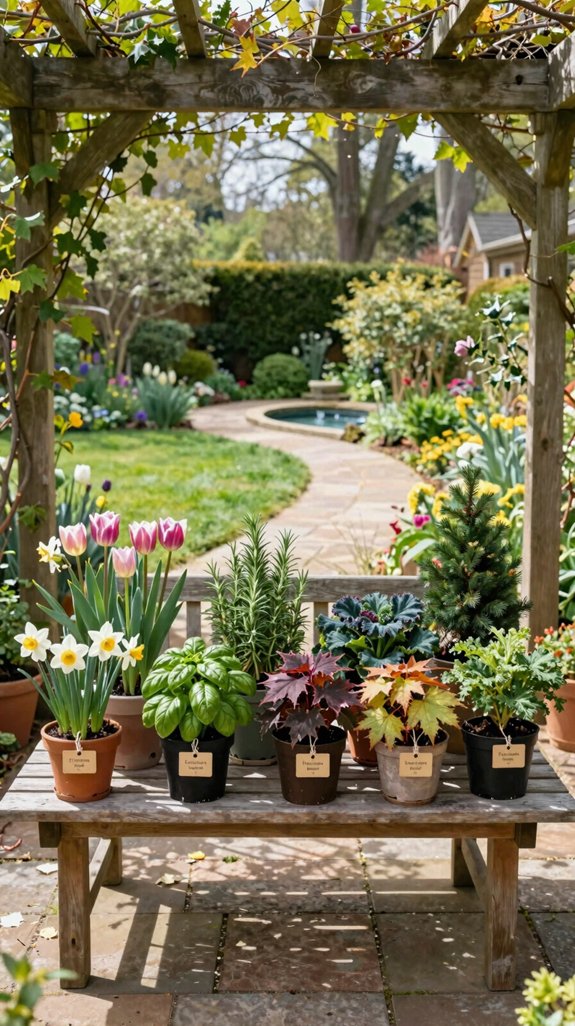
Thinking about keeping your garden fresh year‑round? Schedule bi‑monthly plant swaps, matching bloom cycles to seasonal temperature windows. Catalog each species’ hardiness zone, sunlight demand, and soil pH; then map replacements that fill gaps when a plant’s dormancy ends. Use a spreadsheet to track dates, quantities, and supplier sources, ensuring you never exceed your plot’s capacity. Rotate perennials with annuals, swapping trailing vines for compact groundcovers as daylight shrinks. Swap foliage textures—replace broad leaves with fine‑leafed varieties—to maintain visual interest. Document each swap’s impact on pollinator activity, adjusting future selections based on data‑driven results. For garden beds near outdoor entertaining areas, consider applying effective cleaners for pet stains to protect your plants and landscaping if you have indoor pets that spend time outside.
Add a Garden‑Centric DIY Lighting Idea
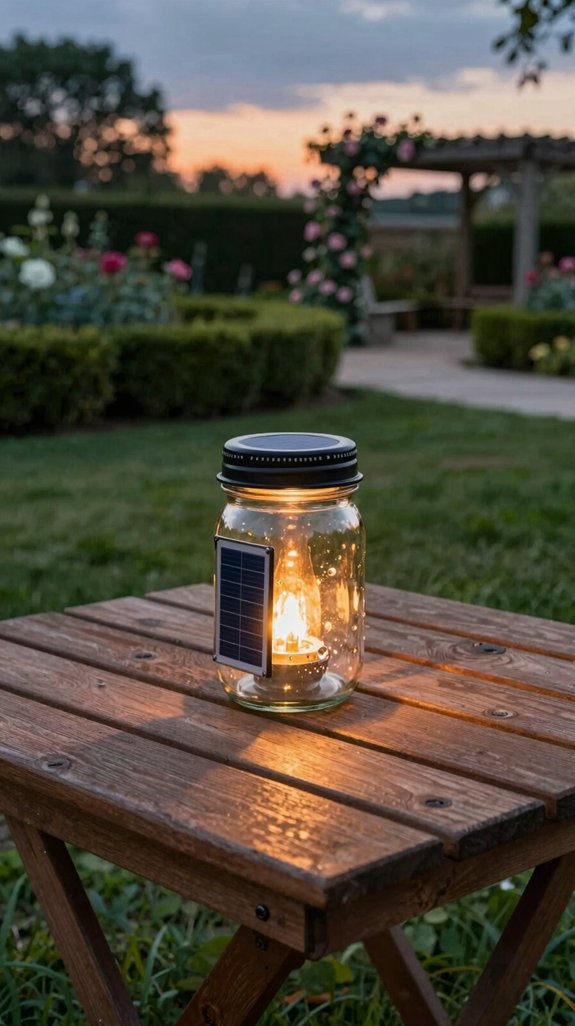
If you want consistent, low‑maintenance illumination that highlights pathways and plant beds, build a solar‑powered LED strip mounted on reclaimed wooden pallets. First, select a weather‑rated LED strip with a built‑in charge controller; cut it to the pallet length using the marked seam. Secure the strip to the pallet with stainless‑steel zip ties, ensuring even spacing for uniform glow. Attach a small solar panel to the pallet’s rear, wiring it to the strip’s input terminals with heat‑shrink tubing. Anchor the pallet to the ground using ground stakes, aligning the strip along the walkway edge. Test the system at dusk; adjust tilt for optimal sun exposure. This modular, recyclable setup offers precise lighting control and minimal upkeep. Consider pairing your garden lighting with UV-protective shade sails to create a cohesive outdoor retreat that balances illuminated pathways with shaded rest areas during daytime hours.
Finish With a Personal Touch – Artwork or Signage
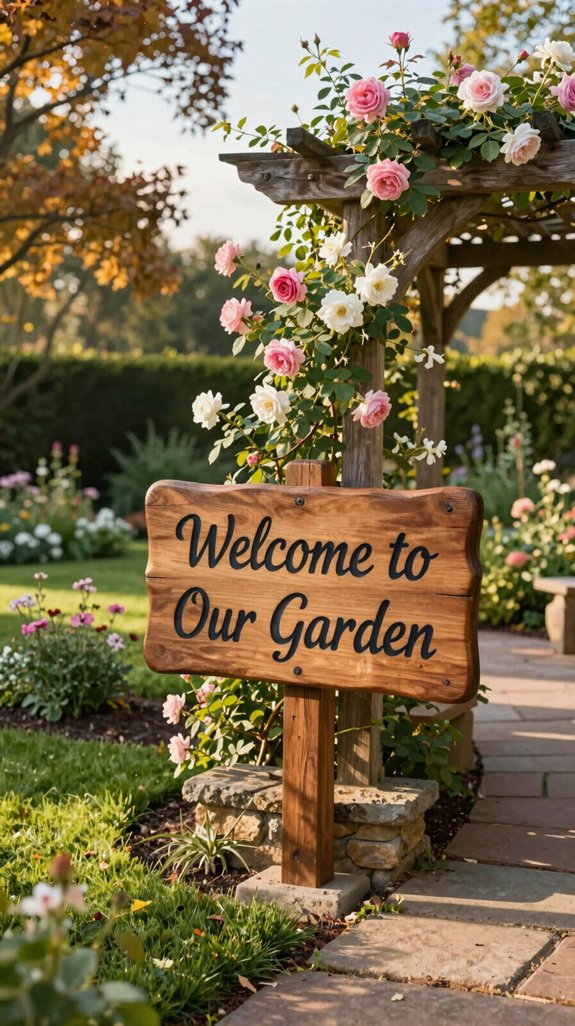
What will make your garden truly yours? Choose artwork or signage that integrates with your design system and serves a functional purpose. Install weather‑resistant metal letters that spell a personal motto, positioning them on a low‑profile concrete slab for stability and easy maintenance. Opt for modular, solar‑powered light panels that double as abstract murals, wiring them to a timer for consistent illumination. Use reclaimed wood frames to display rotating seasonal prints, attaching them with hidden brackets for a seamless look. Guarantee every piece aligns with your color palette, material hierarchy, and sustainability goals, turning personalization into an engineered feature.
Frequently Asked Questions
How Often Should I Prune My Garden Shrubs?
You should prune your garden shrubs every six to eight weeks during the growing season, trimming dead or overgrown branches to promote vigorous, controlled growth and maintain a sleek, innovative landscape aesthetic.
Can I Grow Vegetables in Raised Beds Alongside Ornamental Plants?
Yes, you can grow vegetables in raised beds beside ornamental plants; just select compatible species, stagger planting depths, and manage water and nutrients separately to maximize yield while preserving aesthetic harmony.
What Is the Best Way to Protect Plants From Winter Frost?
Cover your plants with breathable frost cloths, build insulated frames, and use automated heat‑circulation fans. Combine smart sensors to trigger warming only when temperatures dip, conserving energy while preserving delicate growth.
How Do I Attract Pollinators Without Using Chemicals?
Like a neon sign, plant native flowering shrubs, install water features, and add diverse, staggered bloom schedules; use bee‑friendly mulch, provide nesting habitats, and avoid pesticides to magnetize pollinators.
What Low‑Maintenance Groundcovers Work Well Under Trees?
You’ll love creeping thyme, sedum, and dwarf mondo grass; they tolerate shade, need minimal watering, and spread quickly. Pair them with low‑growth hostas for texture, and you’ll get a resilient, innovative groundcover under trees.